
Global Youth Summit for Sustainability 2026, Organized by YCDP in Collaboration with CIFAL Istanbul, UNITAR, and Bahçeşehir University, Brings Together Young Leaders in Istanbul
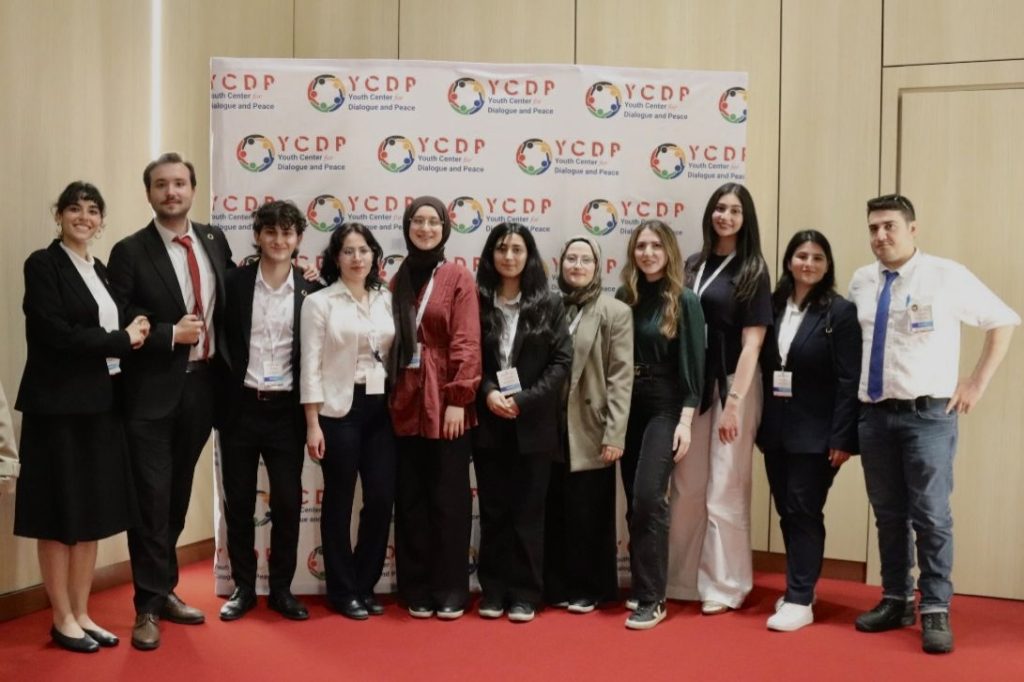
21–24 May 2026, Istanbul, Türkiye – The Global Youth Summit for Sustainability 2026, organized by the Youth Center for Dialogue and Peace (YCDP) in collaboration with CIFAL Istanbul, UNITAR, and Bahçeşehir University, brought together young leaders, academics, practitioners, and representatives from international organizations for four days of dialogue, learning, and collaboration on sustainability and climate action. Among the participants were members of the CIFAL Istanbul Youth Platform, who took part in the four-day programme, engaging in discussions and activities alongside participants from different countries and sectors.
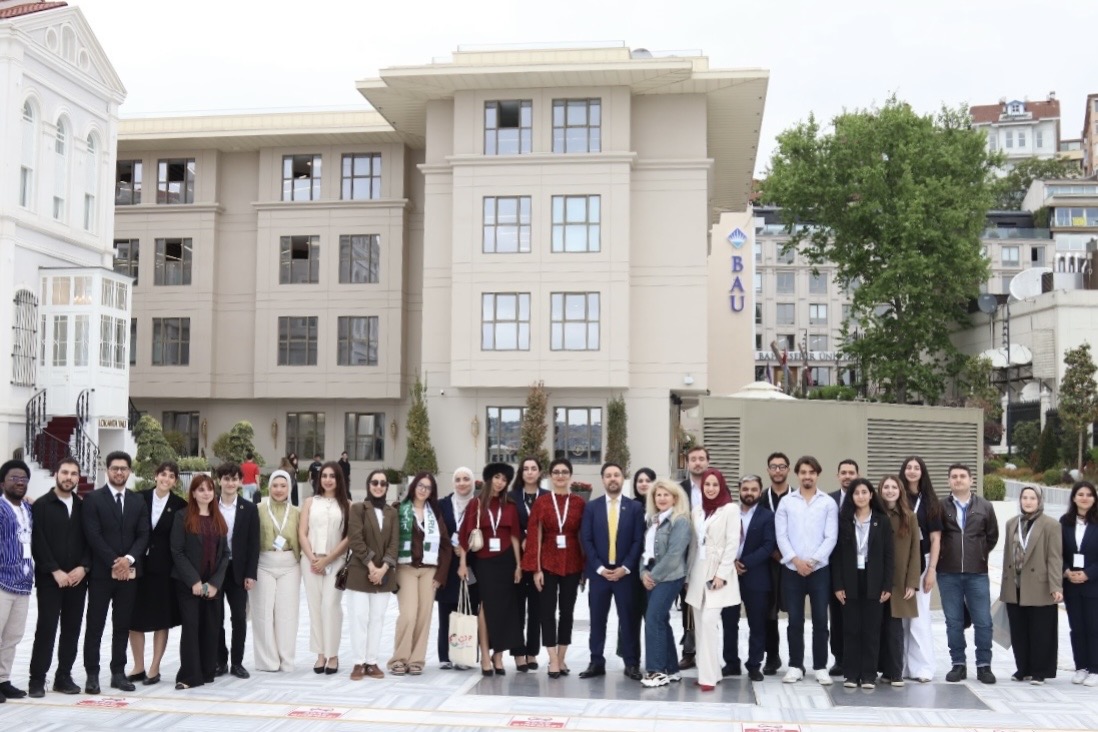
Held at Hyatt Regency Ataköy and Bahçeşehir University, the summit provided an international platform for participants from diverse backgrounds and countries to exchange ideas, strengthen partnerships, and explore innovative approaches to today’s most pressing global challenges. As Türkiye prepares to host COP31 in Antalya in 2026, the summit highlighted the importance of meaningful youth participation in shaping sustainable and climate-resilient societies.
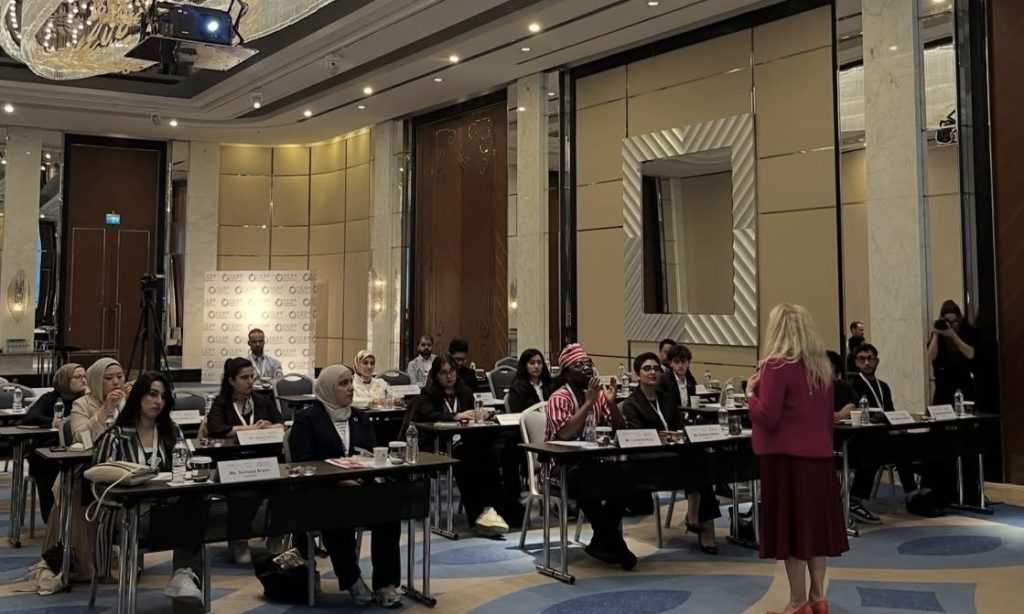
The programme commenced on 21 May with an inauguration ceremony at Hyatt Regency Hotel, followed by discussions focusing on intergenerational collaboration for sustainable development and the role of young people in creating more inclusive and resilient communities.
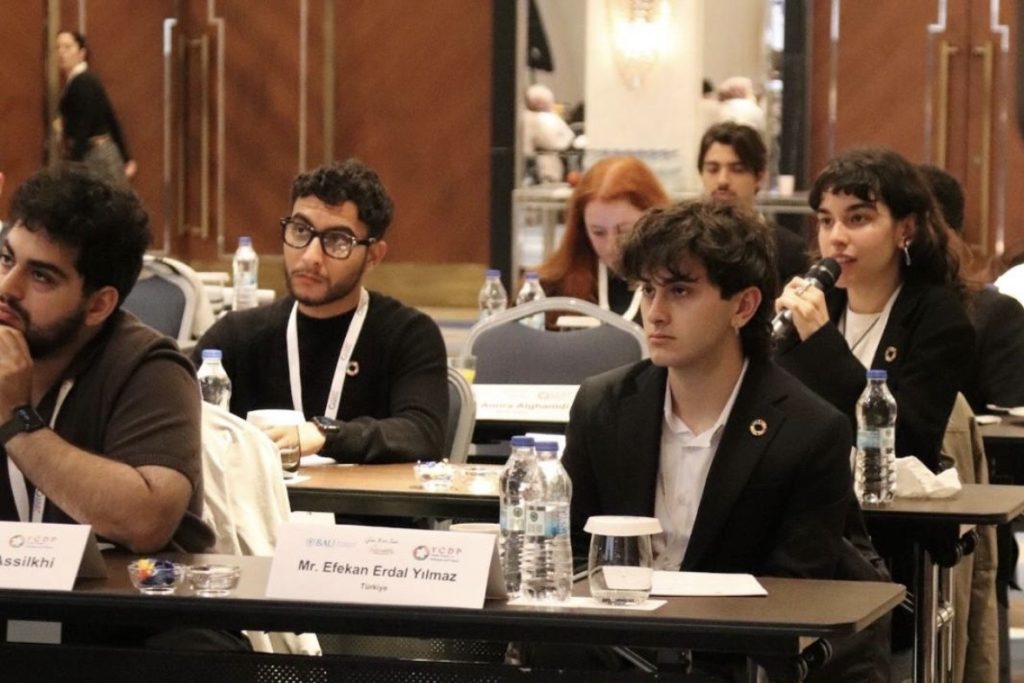
On 22 May, an open sessions hosted at Bahçeşehir University brought together students, youth advocates, academics, and representatives from the United Nations system. Through keynote speeches and panel discussions, participants explored the connections between climate action, sustainable development, and youth leadership. The programme emphasized the importance of ensuring that young people are not merely consulted in decision-making processes but are actively involved in designing and implementing solutions that address the climate crisis.
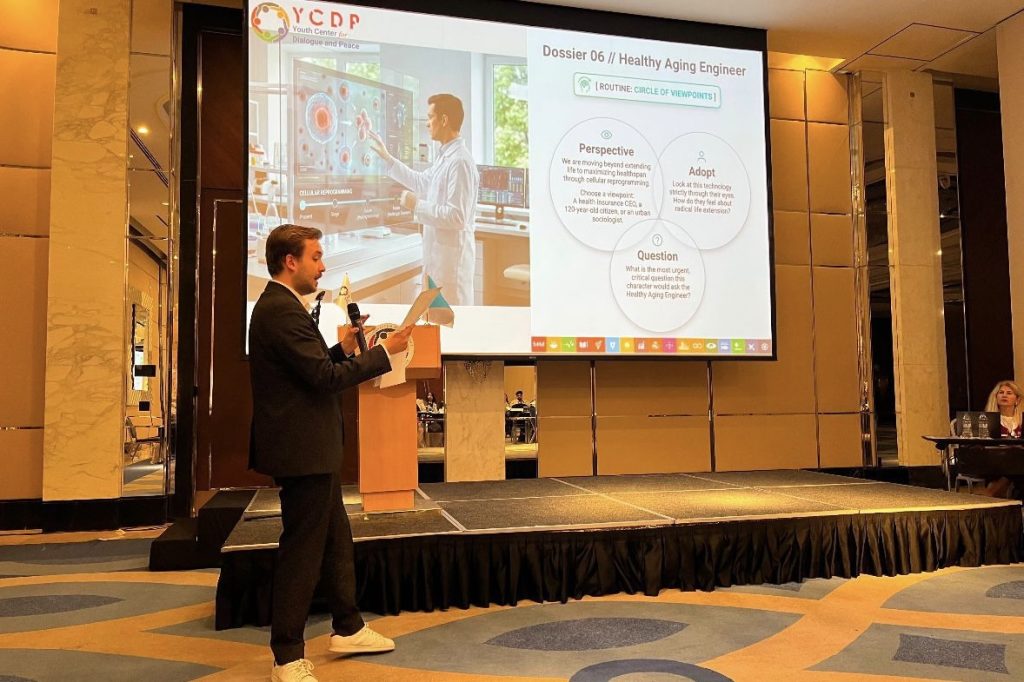
The summit continued on 23 May at Hyatt Regency Hotel with interactive workshops and discussions focusing on humanitarian action, strategic sustainability, and green entrepreneurship. Participants had the opportunity to develop practical perspectives on sustainable business models, strengthen their leadership capacities, and engage in collaborative learning experiences.The day concluded with the presentation of the Youth Statement on Sustainability, followed by the closing ceremony, during which participants reflected on the achievements of the summit and celebrated the completion of the programme.
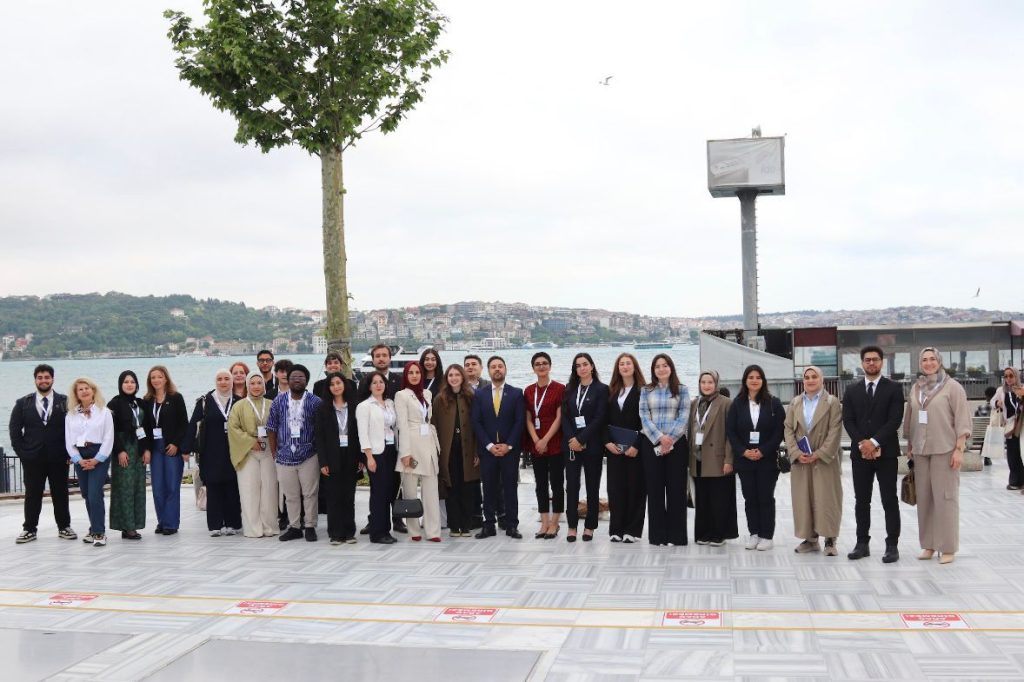
On 24 May, participants had the opportunity to take part in Walk for Change, an outdoor activity that encouraged further reflection, networking, and cultural exchange in the unique setting of Istanbul.
The Global Youth Summit for Sustainability 2026 emphasized the critical role of young people as agents of change and demonstrated the value of partnerships among youth organizations, academia, international institutions, and civil society in addressing complex global challenges. By creating spaces for dialogue, capacity-building, and collective action, the summit contributed to strengthening youth engagement in the implementation of the 2030 Agenda for Sustainable Development.
The themes explored throughout the summit reflected the broader objectives of sustainable development, with a strong emphasis on lifelong learning, knowledge exchange, climate awareness, inclusive participation, intergenerational dialogue, and multi-stakeholder cooperation in advancing sustainability.
As the international community moves towards COP31, initiatives such as the Global Youth Summit for Sustainability continue to demonstrate that empowering young people with the knowledge, networks, and opportunities to participate meaningfully in decision-making processes is essential for building a more sustainable, inclusive, and resilient future.
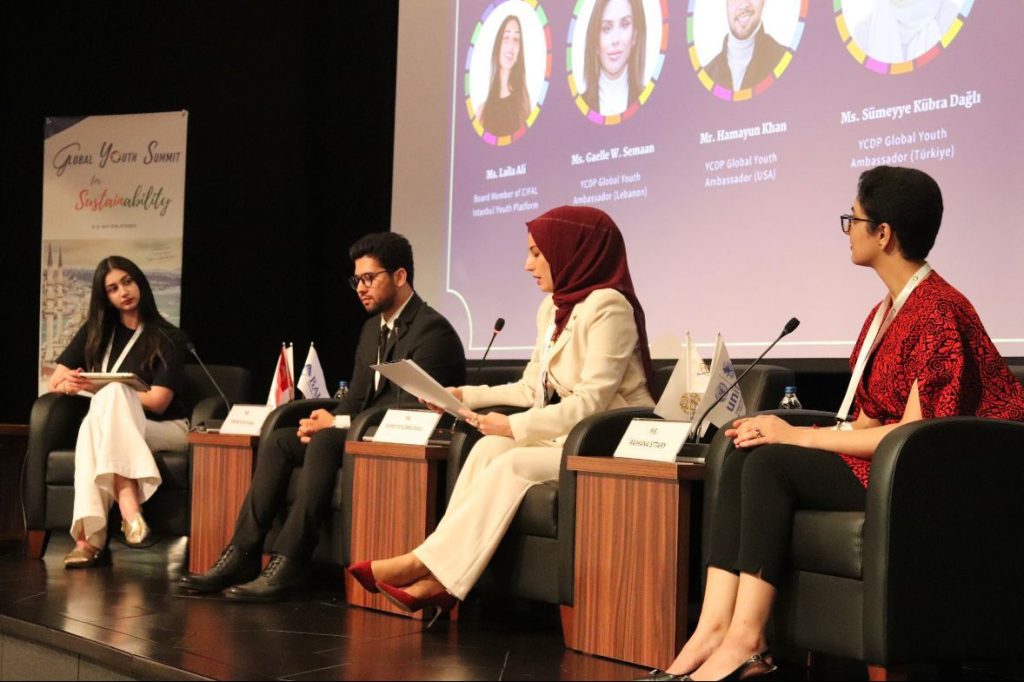
22 May 2026, Istanbul, Türkiye – In the lead-up to COP31, which Türkiye will host in Antalya in 2026, Youth Center for Dialogue and Peace, CIFAL Istanbul, UNITAR and Bahçeşehir University convened a session titled “Youth Leadership in Climate Action: From Advocacy to Impact” at Bahçeşehir University. Held within the framework of the Global Youth Summit for Sustainability 2026, the event brought together students, young climate advocates, academics, and United Nations representatives to explore the critical role of youth in shaping sustainable and climate-resilient societies.
The session centred on three interconnected objectives: strengthening youth participation in climate action, advancing dialogue on global climate processes, and examining how young people can meaningfully contribute to policy design and implementation.
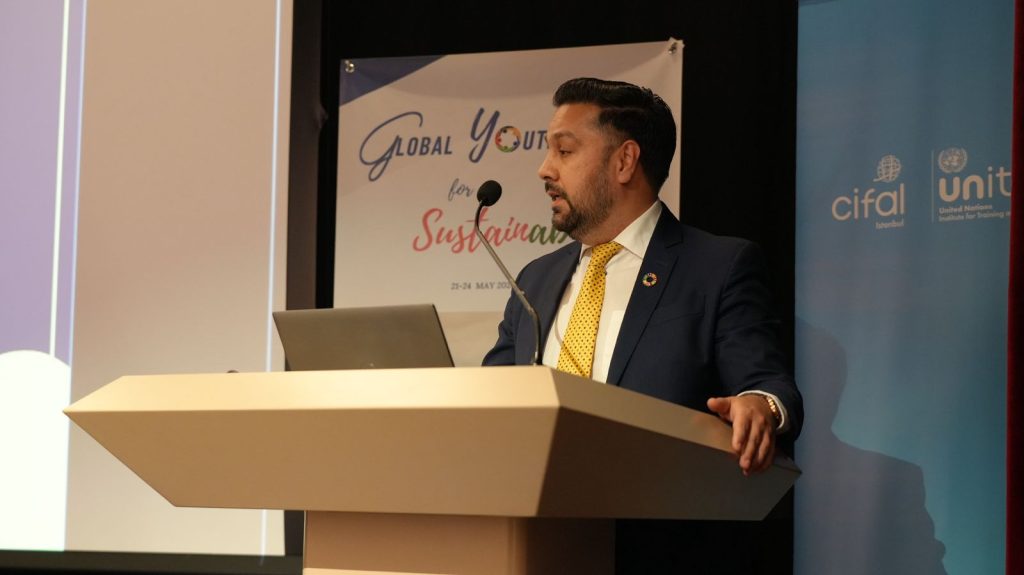
The event started with brief opening remarks from Yama Sukhanyar, Executive Director of the Youth Center for Dialogue and Peace, who emphasized the significance of the conference as a platform for strengthening youth engagement in addressing global challenges. In his remarks, Sukhanyar underlined the vital role of young people in fostering dialogue, promoting peace, and contributing to collective solutions for the pressing issues facing the international community.
The event continued with an address by Dr. Babatunde Ahonsi, United Nations Resident Coordinator in Türkiye, who drew attention to the compounding pressures facing younger generations. Characterising the current moment as one of intertwined crises, he highlighted how climate change, biodiversity loss, inequality, rapid urbanisation, and technological transformation are reshaping daily life, cities, livelihoods, and future prospects in ways that are immediate rather than abstract. Dr. Ahonsi stressed that climate action must be understood not only as an environmental matter but as a question of development and justice, and that young people must be active co-designers of solutions rather than passive consultants.
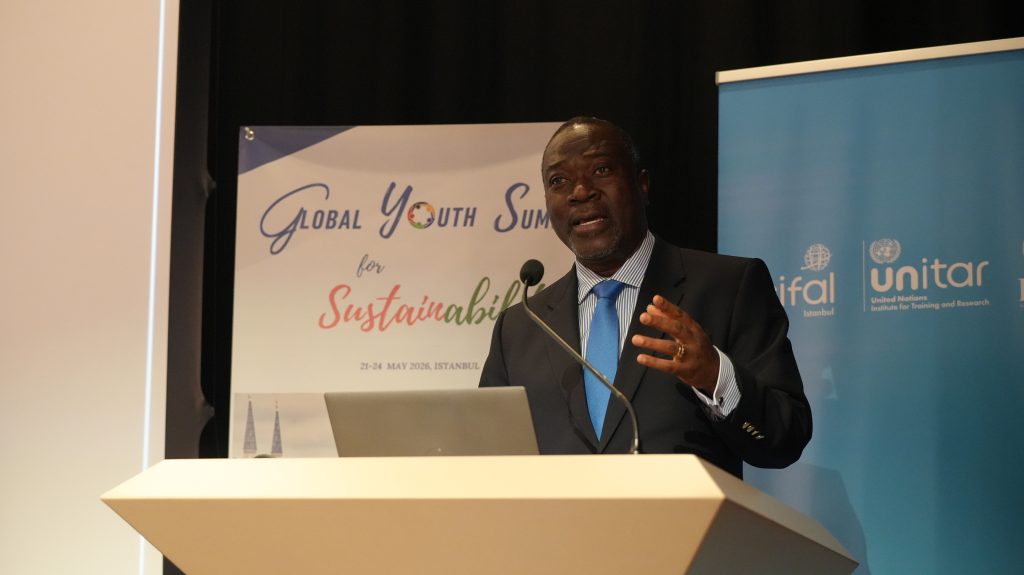
He also pointed to the growing body of evidence of youth-led innovation worldwide, citing examples of young people developing climate applications, mapping flood risks, and deploying digital tools to hold decision-makers accountable. With COP31 on the horizon, Dr. Ahonsi underlined that the significance of the moment lies not only in international negotiations, but in whether real transformation can be accelerated at the national and local level, across energy systems, cities, food systems, and disaster resilience.
Welcoming the participants on behalf of Bahçeşehir University, Rector Prof. Esra Hatipoğlu took the stage and highlighted the university’s engagement with the United Nations system, as well as its commitment to international cooperation and sustainability. Noting that Bahçeşehir University serves as the host institution of CIFAL Istanbul, affiliated with UNITAR, Prof. Hatipoğlu emphasized the university’s ongoing efforts to advance the Sustainable Development Goals through education, partnerships, and initiatives such as this conference.
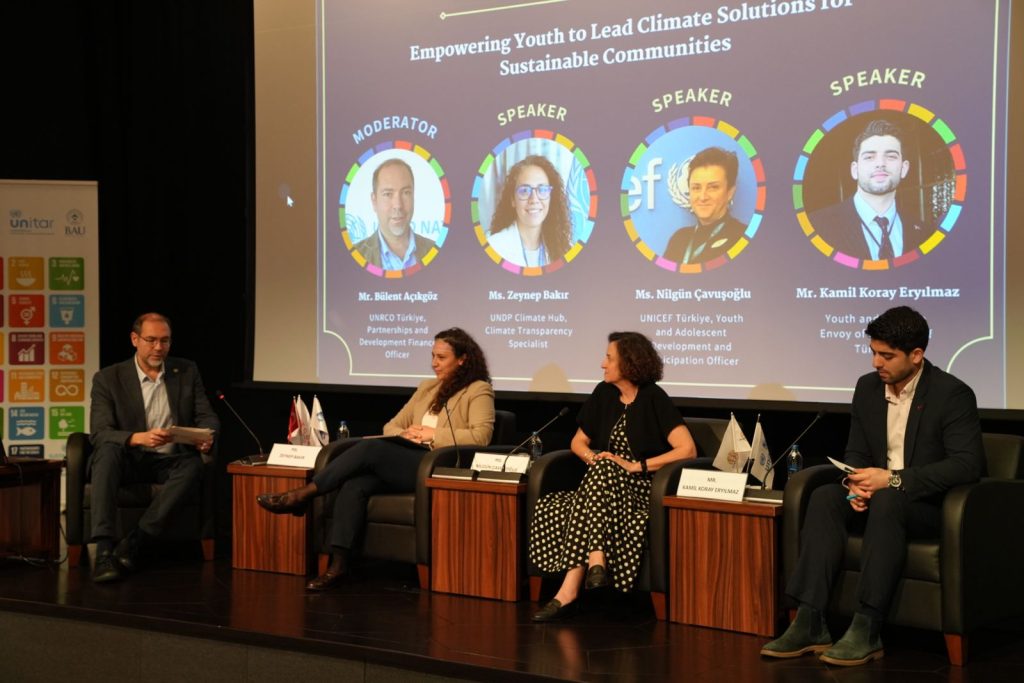
After the keynote speeches, a panel discussion, moderated by Bülent Açıkgöz from UNRCO Türkiye, brought together practitioners working across climate transparency, youth engagement, and sustainability. Mr. Açıkgöz kicked-off the conversation by emphasising that climate action is not a standalone agenda but is deeply connected to all of the Sustainable Development Goals, and that intergenerational justice sits at the heart of climate governance given that today’s decisions will shape the rights, opportunities, and wellbeing of future generations.
Zeynep Bakır from UNDP Climate Hub addressed the scale and urgency of the global climate crisis and outlined how international frameworks such as the COP process and the Climate Promise initiative are supporting countries in developing more ambitious Nationally Determined Contributions and long-term climate strategies. The discussion underscored the importance of translating global commitments into country-led, locally grounded climate action. Nilgün Çavuşoğlu from UNICEF Türkiye highlighted the importance of inclusivity and meaningful participation, particularly for young people from vulnerable and disadvantaged communities, affirming that intergenerational equity is a foundational principle of climate governance and that youth-led initiatives offer vital platforms for innovation, awareness-raising, and accountability. Kamil Koray Eryılmaz, Youth and Climate Envoy of Republic of Türkiye, focused on the bridging role of youth leadership across advocacy, academia, and policy implementation, calling for structured youth participation in the lead-up to COP31 where young people do not merely have a voice but actively shape climate policies and outcomes.
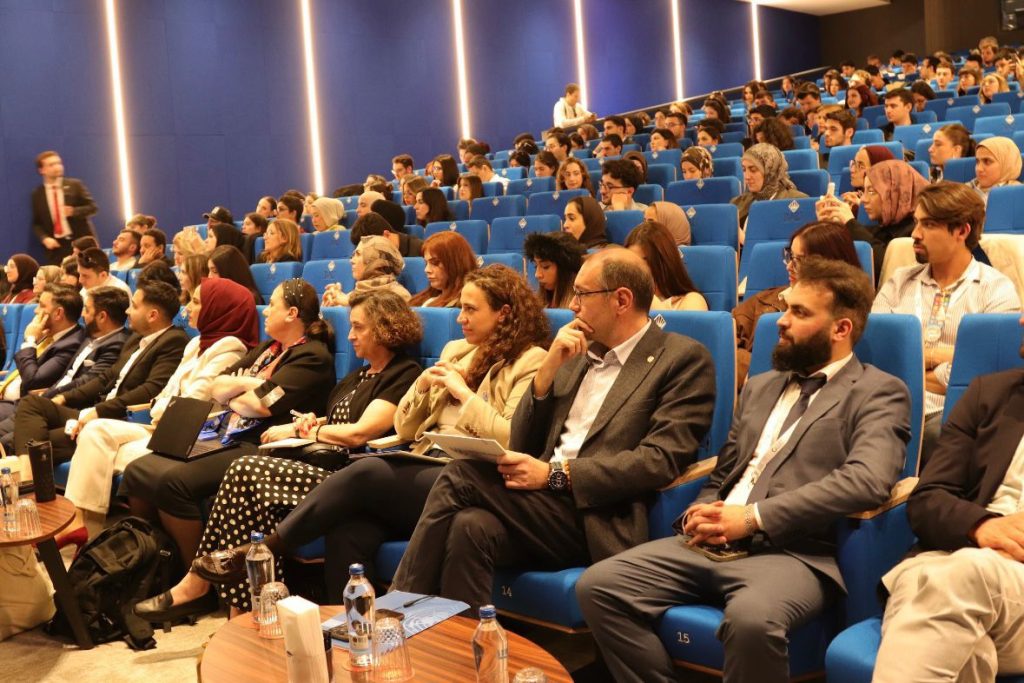
The event reaffirms the importance of climate action by placing youth agency and structured participation at the centre of global and national climate governance. Through its emphasis on inclusive and intergenerational policy processes, it also highlights the need for peaceful, just, and accountable institutions. Furthermore, the event reflects the broader value of partnerships by demonstrating how the United Nations system, academia, and youth actors can align around shared sustainability commitments in the critical run-up to COP31.
İstanbul, Türkiye – 5 June 2026, the “Zero-Waste Fashion: Textile Upcycling Workshop with Fırat Neziroğlu” was organized by CIFAL Istanbul Youth Platform in collaboration with CIFAL Istanbul, UNITAR and Bahçeşehir University at the Fırat Neziroğlu Atelier at Bahçeşehir University. The event took place as part of Istanbul Zero Waste Week, which was organized under the auspices of the Zero Waste Foundation and the Governorship of Istanbul.
The workshop addressed the environmental challenges associated with the fashion and textile industry by promoting sustainable alternatives grounded in creativity and responsible consumption. Contributing to Sustainable Development Goal 12: Responsible Consumption and Production, by encouraging waste reduction, reuse practices, and more conscious consumer choices, it also aligned with Sustainable Development Goal 13: Climate Action by highlighting the importance of reducing the environmental footprint of textile production and fostering individual and collective action towards more sustainable lifestyles.
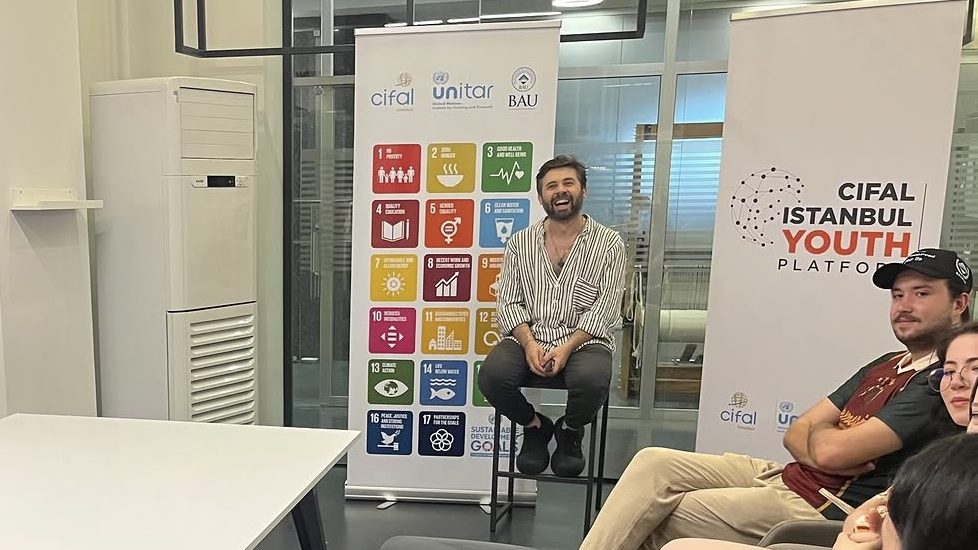
The programme began with a presentation and interactive discussion led by renowned textile artist Fırat Neziroğlu, focusing on sustainable fashion, traditional textile practices, and innovative approaches to upcycling. Participants explored the social and environmental impacts of fast fashion while gaining insight into how discarded materials can be transformed into valuable and meaningful products.
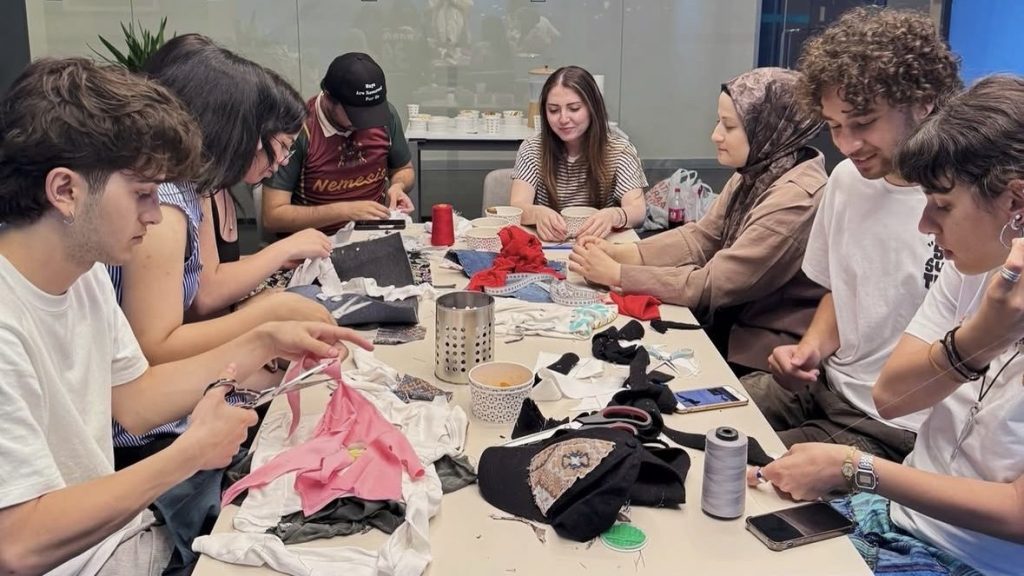
Following the discussion, attendees took part in a hands-on workshop experience, creating their own upcycled textile pieces and experiencing the practical applications of creative reuse. Using old and unused textile materials, participants transformed discarded items into new and functional products, demonstrating how creativity can extend the life cycle of materials that might otherwise become waste. Through this process, they explored the potential of upcycling as both an artistic practice and a sustainable solution for reducing textile waste. By combining knowledge-sharing with experiential learning, the workshop provided participants with both the awareness and the tools needed to integrate zero-waste principles into their daily lives.
The CIFAL Istanbul Youth Platform extends its sincere appreciation to Fırat Neziroğlu for sharing his expertise and experience, as well as for his valuable contributions to this workshop.