In the July–August 2026 issue of Brandmap, Prof. Çisil Sohodol, Director at CIFAL Istanbul, explored the shift from FOMO (Fear of Missing Out) to JOMO (Joy of Missing Out) and its implications for changing consumer behavior and brand communication.
Abstract
Constant connectivity, endless choice and the pressure to keep up have transformed abundance from a source of opportunity into a source of mental fatigue. As consumers become increasingly overwhelmed by the attention economy, a growing preference for simplicity, selective participation and conscious disconnection is emerging. The article explores the transition from FOMO to JOMO, highlighting how consumers are beginning to value the freedom to opt out, reduce digital and material excess, and reclaim control over their attention. This shift is also reshaping brand strategies, as messages built around scarcity, urgency and the fear of missing out gradually give way to approaches centered on simplicity, trust and a sense of sufficiency. In this evolving landscape, brands may increasingly create value not by demanding more attention, but by respecting consumers’ need for space, balance and meaningful choice.
To read the full article, please see the July–August 2026 issue of Brandmap.
https://www.brandmap.com.tr/arsiv
“Digital Sexual Health Communication: An Analysis of Tabukamu’s Content from a Health Belief Model Perspective” written by Dr. Nilüfer Geysi, Director of CIFAL Istanbul, was published in Akdeniz Journal of Communication Studies on 29 June 2026.
This study aims to examine how digital sexual health communication addresses barriers such as stigma, hesitation, and misinformation. Focusing on the Turkish digital platform Tabukamu, the research explores how youth-oriented content is constructed to support action readiness within a stigma-sensitive context. Design/methodology/approach: The study employs a mixed-methods content analysis of 101 Instagram posts shared by Tabukamu between 2023 and 2025. Guided by the Health Belief Model (HBM), the analysis examines key constructs such as perceived susceptibility, severity, benefits, barriers, and cues to action. In addition, strategic communication practices (normalization, emotional safety, advocacy, and misinformation correction) and visual-semiotic elements are analyzed. Findings: The findings reveal that the content follows a strongly action-oriented communication structure. Misinformation correction, perceived benefits, and action cues are highly prevalent, while perceived barriers are explicitly addressed through non-judgmental messaging. Barrier management emerges as a central communication strategy. Research limitations/implications: The study is limited to a single platform and focuses on content rather than behavioral outcomes. Future research should integrate audience-based methods to better understand the impact of the communication strategies. Practical implications: The findings indicate that barrier reduction strategies play a central role in structuring action-oriented digital sexual health communication. Content that combines clarity, supportive tone, and consistent visual organization appears to facilitate trust and action readiness. Originality/value: The study contributes to the literature by applying the HBM as a framework, offering a novel perspective by conceptualizing digital sexual health communication as barrier management, and demonstrating how strategic messaging can support action-oriented communication in the social media context.
To read the full article, follow the link below:
https://dergipark.org.tr/en/pub/ajcs/article/1981521
“Children, Screens, and a New Form of Violence” written by Prof. Çisil Sohodol, Director of CIFAL Istanbul, was published in Dünya Newspaper on 28 March 2026.
The article examines the relationship between social media, youth identity and the normalization of violence, drawing on recent incidents involving young people in London. It explores how social media platforms can transform conflicts into organized confrontations by amplifying provocative content, encouraging visibility and creating group-based identities. Beyond the role of algorithms and digital platforms, the article considers the wider social factors behind youth violence, including loneliness, economic uncertainty, weakened social connections and the need for belonging. It questions whether restricting social media alone can address these challenges and instead highlights the importance of creating safe and meaningful spaces where young people can express themselves, build a sense of belonging and participate in society without turning to violence. By connecting digital behaviour with broader social vulnerabilities, the article emphasizes the need to understand youth violence as a wider social issue rather than solely a technological one.
To read the full article, follow the link below:
https://www.dunya.com/kose-yazisi/cocuklar-ekranlar-ve-siddetin-yeni-bicimi/819679#google_vignette

CIFAL Istanbul team attended the Radboud Conference on Earth System Governance organized by Radboud University and Earth System Governance Project in Nijmegen, Netherlands.
The Radboud Conference on Earth System Governance, held from October 22 to 27, recently concluded, leaving a profound impact on over 600 national and international researchers, policymakers, and societal stakeholders who convened to discuss the urgent need for societal changes to address sustainability challenges.
The conference, spanning six intensive days and featuring 150 sessions, served as a dynamic forum for exploring innovative approaches to confront pressing global sustainability issues. Participants engaged in a rich dialogue that included discussions on fundamental changes required in human relationships with nature and animals, as well as in economic, political, and legal systems.
Organized by the conference’s institutional co-host Dahdaleh Institute for Global Health Research, York University, “Integrating Planetary Health within Earth System Governance Semi-Plenary Session” drew significant attention. The session featured director Prof. Ebru Canan-Sokullu, Director for CIFAL Istanbul, UNITAR, whose keynote address emphasized the critical importance of intertwining planetary health and governance. Discussions focused on how global environmental governance can effectively address health concerns while ensuring a sustainable future for our planet.
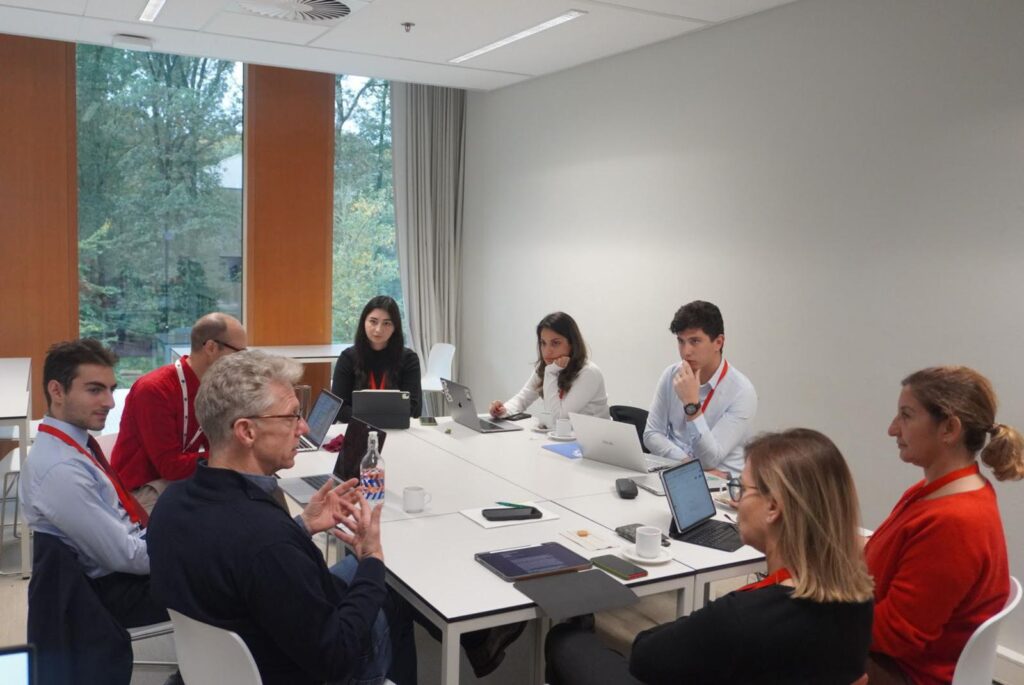
CIFAL Istanbul team, including Pamir Canan, Aslı Çalım, Dize Doğan, and Ozan Savran, also organized “The ties that bind: World Café on youth engagement as a driving force for community-based healing in times of environmental and social shocks Innovative Session“. The session provided a special focus on the community-based healing following the massive earthquake that struck Türkiye and Syria in February 2023 and youth involvement. The team had successfully executed the World Cafè on youth engagement as a driving force for community-based healing in times of environmental and social shocks, developed following the massive earthquake that struck Türkiye and Syria in February 2023. The session followed an informal discussion on the governance in times of crisis and youth participation in the healing process.
The Radboud Conference serves as an essential stepping stone in advancing global environmental governance. It brings together visionaries and experts from various backgrounds, uniting them in a shared goal of addressing the world’s most pressing sustainability challenges. The conference’s commitment to fostering innovative thinking and global collaboration highlights the crucial role it plays in paving the way for a more sustainable and equitable world.
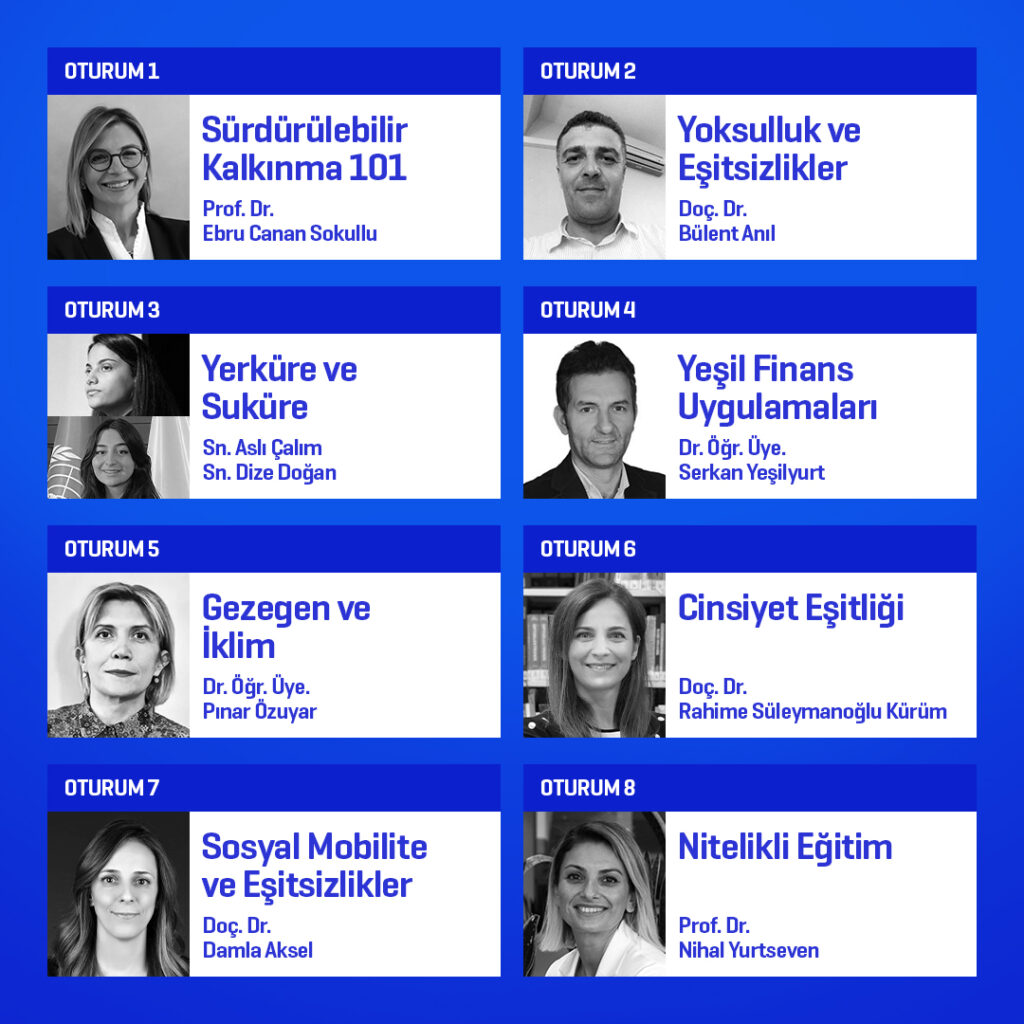
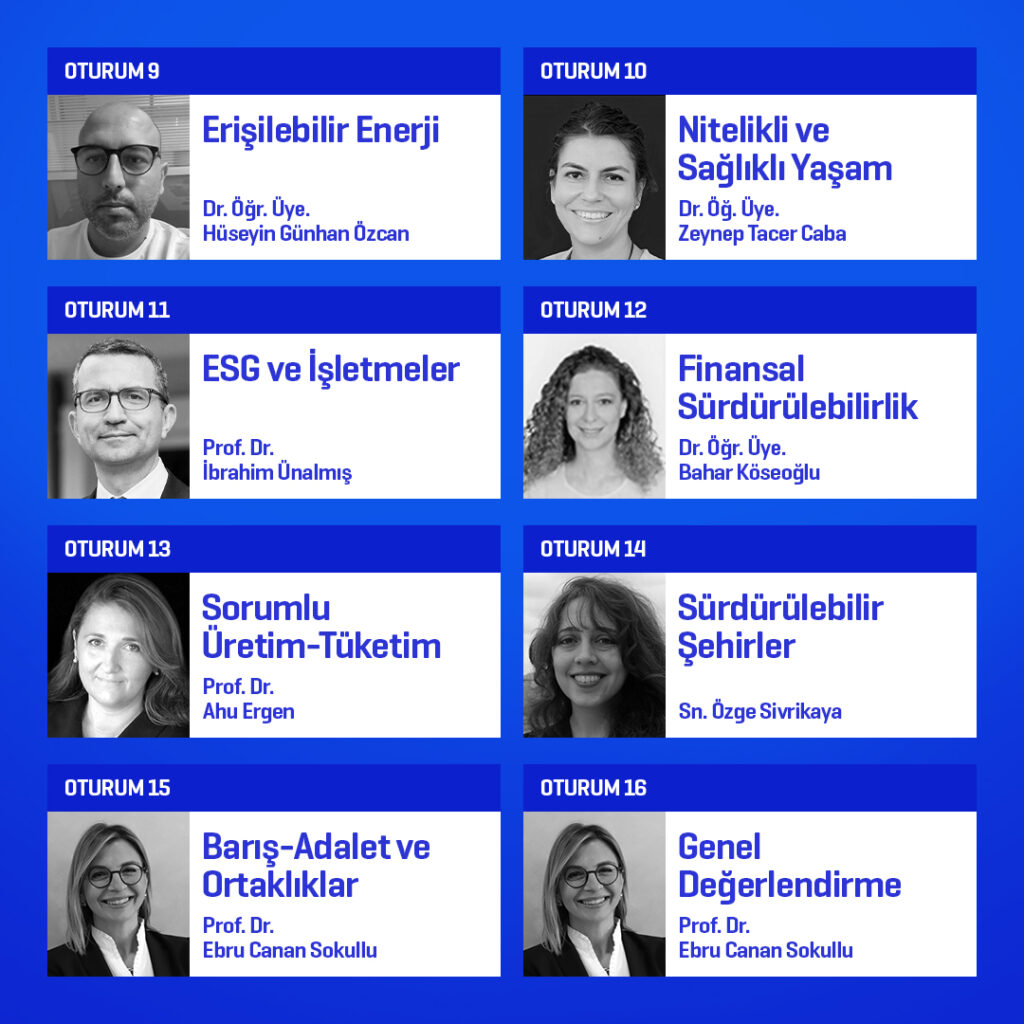
STEP Ambassadors Development Journey has begun with the cooperation of Yapı Kredi Banking Academy, Bahçeşehir University & CIFAL Istanbul! We aim to create STEP Ambassadors who value the world and nature and embrace the importance of sustainable life.
Within the scope of the STEP Ambassadors Development Journey Program, it is planned to provide sustainability literacy trainings for Yapı Kredi Bank employees in cooperation with Yapı Kredi Bank, CIFAL Istanbul, UNITAR and Bahçeşehir University, in order to increase the efforts to reflect the sustainability vision of the institution and to increase the knowledge of the employees on the Sustainable Development Goals (SDGs). Within the scope of this program, a curriculum of 16 sessions, three sessions a week, will be studied with the trainers to be determined by CIFAL Istanbul via the Webex platform of Yapı Kredi.