
On 3 July 2026, Assist. Prof. Dr. Nilüfer Geysi’s research article examining the science communication practices of university Science Communication Offices in Türkiye was published in OPUS Journal of Society Research.
Abstract
As universities increasingly institutionalize science communication, social media has become an important space for connecting academic knowledge with wider publics. This study examines how university Science Communication Offices in Türkiye use Instagram and to what extent their communication practices reflect information-transfer, dialogue and participation-oriented models. Based on a content analysis of 592 posts from 32 active university accounts, the findings show that science communication remains predominantly one-way, with 69.4% of posts following an information-dissemination model, while dialogue and participatory approaches remain considerably more limited. The research also highlights that target audiences are frequently left unspecified and that communication activities are largely concentrated within university campuses, limiting opportunities for broader public engagement. Overall, the study underlines the need for universities to move beyond institutional visibility and make greater use of social media’s potential for dialogue, participation and meaningful interaction between science and society.
To read the full article, follow the link below:
https://dergipark.org.tr/en/pub/opusjsr
“Children, Screens, and a New Form of Violence” written by Prof. Çisil Sohodol, Director of CIFAL Istanbul, was published in Dünya Newspaper on 28 March 2026.
The article examines the relationship between social media, youth identity and the normalization of violence, drawing on recent incidents involving young people in London. It explores how social media platforms can transform conflicts into organized confrontations by amplifying provocative content, encouraging visibility and creating group-based identities. Beyond the role of algorithms and digital platforms, the article considers the wider social factors behind youth violence, including loneliness, economic uncertainty, weakened social connections and the need for belonging. It questions whether restricting social media alone can address these challenges and instead highlights the importance of creating safe and meaningful spaces where young people can express themselves, build a sense of belonging and participate in society without turning to violence. By connecting digital behaviour with broader social vulnerabilities, the article emphasizes the need to understand youth violence as a wider social issue rather than solely a technological one.
To read the full article, follow the link below:
https://www.dunya.com/kose-yazisi/cocuklar-ekranlar-ve-siddetin-yeni-bicimi/819679#google_vignette
On 4 April 2026, Prof. Çisil Sohodol, Director at CIFAL Istanbul, shared her reflections on the findings of the 2025 “Well-being of Youth in Türkiye” research and the conditions shaping young people’s future in an article published in Dünya Gazetesi.
Abstract
Young people are navigating a period shaped by economic uncertainty, rapid technological transformation and changing expectations around work, education and social participation. Recent findings from the 2025 “Well-being of Youth in Türkiye” research highlight the growing importance of employment, digital competencies, meaningful career opportunities and a sense of belonging in shaping young people’s well-being and future outlook. While young people remain connected, ambitious and willing to participate, their ability to translate this potential into long-term development depends on the environments and opportunities available to them. The article emphasizes the need for a holistic approach that brings together education, digital skills, entrepreneurship, volunteering and civic participation, supported by stronger cooperation among the public sector, private sector and civil society. Creating sustainable ecosystems in which young people can develop, contribute and take an active role in shaping the future is presented as a central priority.
To read the full article, follow the link below:
“Are Multi-Generational Workplaces the New Normal?” written by Prof. Çisil Sohodol, Director of CIFAL Istanbul, was published in Dünya Newspaper on 3 January 2026.
The increasing presence of different age groups in the workplace is becoming a defining feature of contemporary working life. This article examines the rise of multi-generational workplaces and the challenges and opportunities they create for organizations. It questions the tendency to explain workplace dynamics through simplified generational labels and instead highlights the importance of role clarity, career stages, organizational culture and effective work design. The article explores how experience, adaptability and different working approaches can complement one another when supported by appropriate organizational structures. It also considers the changing role of mid-career employees and the need to rethink performance evaluation, career development and the value attributed to experience. By focusing on age diversity, decent work and inclusive employment practices, the article discusses how organizations can turn demographic change into a more resilient and sustainable working environment. Ultimately, it argues that multi-generational workplaces are increasingly becoming the new normal, while their success depends on how effectively organizations manage and integrate different forms of experience and contribution.
To read the full article follow the link below:
https://www.dunya.com/kose-yazisi/cok-kusakli-isyerleri-yeni-normal-mi/809805
“In Pursuit of Local Impact” written by Prof. Çisil Sohodol, Director of CIFAL Istanbul, was published in Dünya Newspaper on 20 December 2025.
Abstract
The article explores how sustainable development can create lasting impact when global goals are adapted to local needs and supported through long-term partnerships. Drawing on the author’s participation in the annual meeting of the CIFAL Global Network under UNITAR in London, the article highlights how CIFAL centres across different regions address common sustainability priorities through locally relevant approaches. It then examines Allianz Türkiye’s “Dağ Gibi Arkanızdayız” project in Erzurum as an example of how local initiatives can translate broader sustainability goals into tangible social impact. Focusing on girls aged 8–12 who have had limited access to winter sports, the project combines sports education, long-term support and opportunities for future development in skiing and coaching. By connecting local needs with inclusive opportunities, the article highlights the importance of sustained engagement, gender equality and partnerships in creating meaningful and lasting impact at the community level.
To read the full article follow the link below:
https://www.dunya.com/kose-yazisi/lokal-etkinin-pesinde/808103#google_vignette
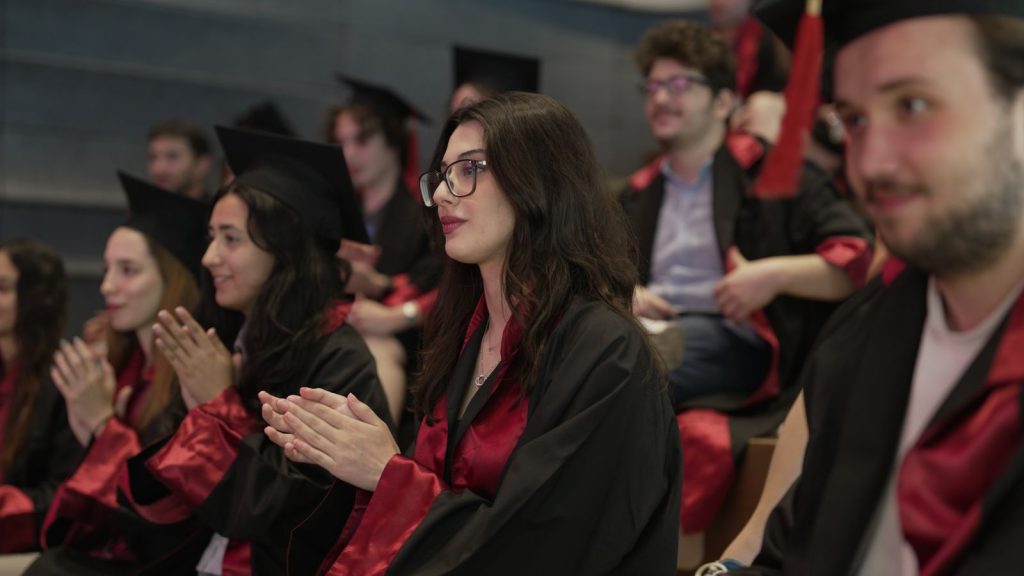
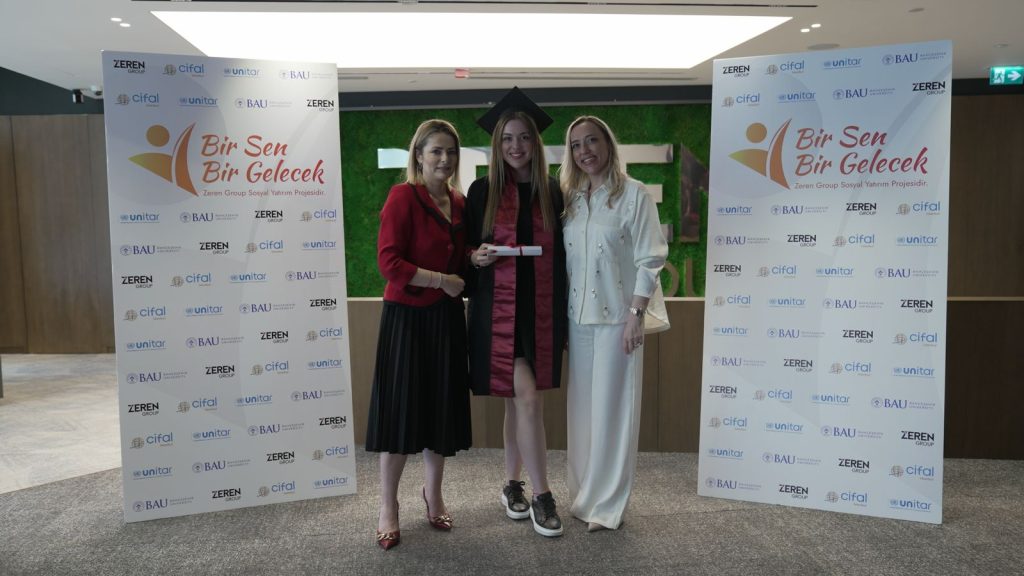
At the Edge of New Era: 21st Century Leadership Journey Training Programme, delivered for the second time in collaboration with Zeren Group Holding, CIFAL Istanbul, UNITAR and Bahçeşehir University, celebrated the graduation of its third cohort. Students who successfully completed the six-month learning journey received their certificates during the programme’s graduation ceremony.
The third cohort brought together 436 university students from 93 educational institutions across 45 provinces of Türkiye. Having reached more than 1,000 students to date, the At the Edge of New Era: 21st Century Leadership Journey Training Programme aims to contribute to reducing inequalities by supporting young people’s access to quality learning opportunities. The programme also seeks to raise awareness, encourage participants to translate knowledge into action, and equip students with the skills and confidence they will need throughout their future careers.
Building 21st-Century Skills Through Four Modules
The At the Edge of New Era: 21st Century Leadership Journey Training Programme was structured around four core modules: Communication, Technology, Sustainability, and Leadership. Throughout the programme, distinguished academics and professionals delivered 10 live online sessions, complemented by 19 asynchronous courses designed to deepen participants’ understanding of the topics covered.
The programme opened with the kick-off session delivered by Prof. Dr. Çisil Sohodol, Director of CIFAL Istanbul, titled “At the Edge of New Era: The 21st Century Leadership Journey.” The session explored the changing needs of today’s world, essential 21st-century competencies, and emerging approaches to future-oriented leadership.
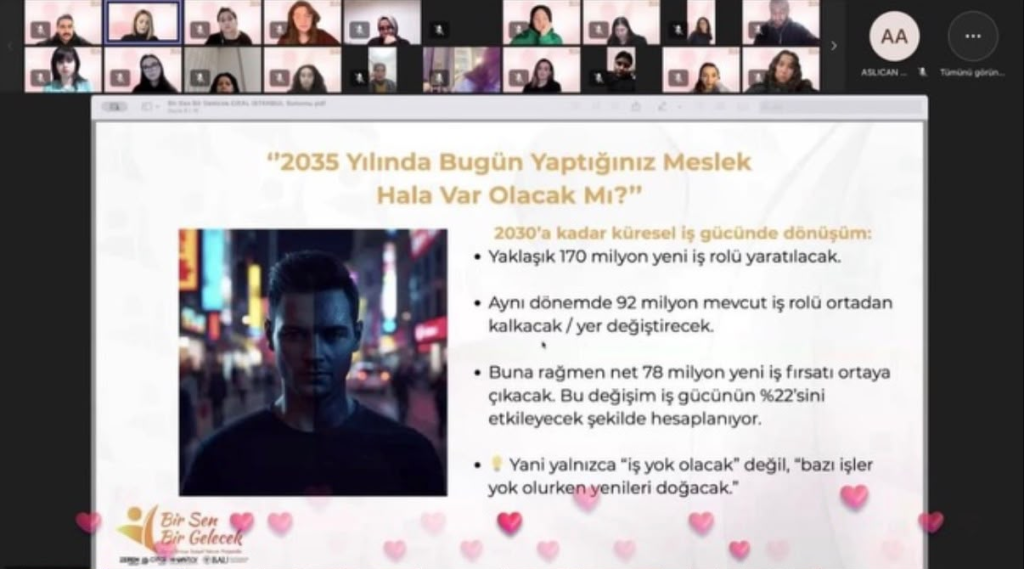
The first module focused on strengthening students’ ability to express themselves effectively, establish meaningful relationships with different stakeholders, and develop the communication skills required in both their personal and professional lives. During the live sessions, Prof. Dr. Kemal Süher addressed the fundamental elements of communication through his course titled “Communication Skills.” Erdal Uzunoğlu, in his session titled “Networking,” focused on building professional relationships and managing them effectively and sustainably. The live sessions were supported by asynchronous courses covering effective communication through games and the arts, persuasion and influence skills, negotiation techniques, and personal brand management. Through these courses, students were encouraged to explore communication from different perspectives and apply what they learned to their social and professional lives.
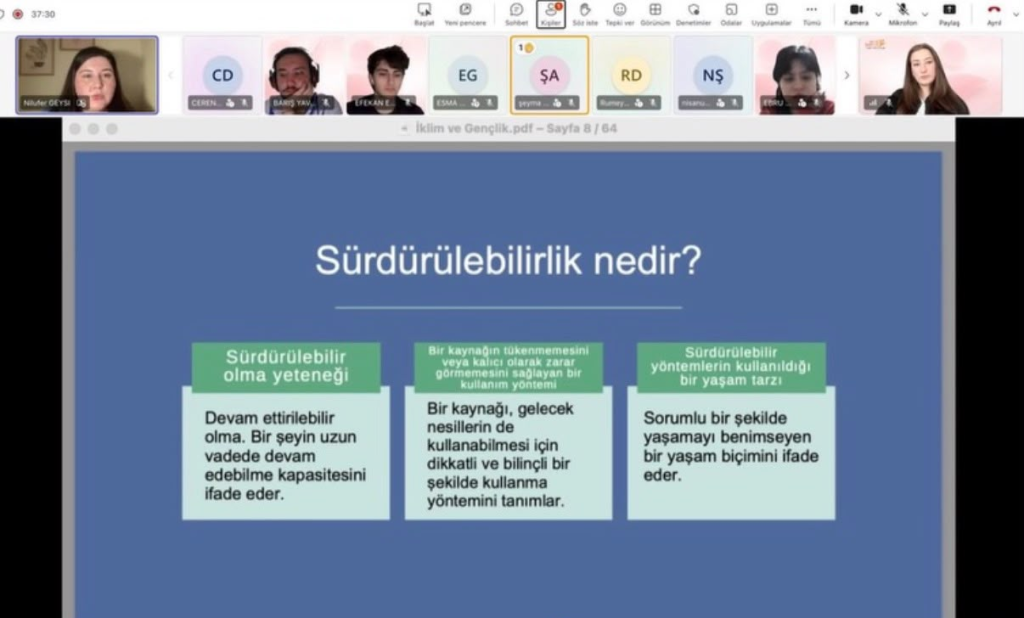
The Technology Module focused on helping students understand digital transformation and the impact of emerging technologies on society, industries, and the world of work. In his live session titled “Technology Trends,” Prof. Dr. Yücel Batu Salman examined current technological developments and their potential implications for the future. Ercüment Büyükşener, through his course “Becoming a Digital Citizen,” discussed rights, responsibilities, and conscious technology use in the digital environment. The asynchronous courses covered sectoral transformation in the age of data, the fundamentals of artificial intelligence, machine learning, and new technology applications. These courses aimed to support students in becoming not only users of technology but also informed individuals capable of evaluating the opportunities and risks associated with technological developments.
The Sustainability Module examined the relationship between individual choices, institutional decisions, and their wider social and environmental consequences. In the live session titled “From Everyday Decisions to Institutional Impact: Why Does Sustainability Begin with Behaviour?” Dr. Yasemin Ülker highlighted the importance of individual awareness and behavioural change in achieving sustainable transformation. Another live session, titled “The Role of Youth in Addressing Social Challenges and the Climate Crisis,” Dr. Nilüfer Geysi focused on the responsibilities and contributions of young people in responding to contemporary social and environmental challenges. The asynchronous courses explored the role of businesses in building a sustainable future, ethical management, corporate social responsibility, corporate sustainability, ESG, and human capital investments. Through these topics, students were encouraged to view sustainability not solely as an environmental issue but as a multidimensional field encompassing social, economic, institutional, and ethical considerations.
The final module focused on the leadership competencies students will need in increasingly digitalised, rapidly changing, and uncertain professional environments. Prof. Dr. Ahmet Erkuş, in his live course titled “New Generation Leadership and Team Management,” discussed evolving leadership approaches and the fundamental principles of effective team management. Prof. Dr. Tunç Bozbura, through his session titled “Youth’s Future Leadership Journey: Will Robots Be Our Leaders in the Future?”, examined the changing relationship between technology and leadership. The module’s final live session was delivered by Prof. Dr. Ahmet Beşkese under the title “Change Management and Turning Crisis into Opportunity.” The accompanying asynchronous courses addressed emotional resilience, creative thinking, success in a VUCA world, coping with uncertainty, and leadership in the age of digital transformation.
A Development Journey from Knowledge to Action
The At the Edge of New Era: 21st Century Leadership Journey Training Programme was designed not merely as a process of transferring knowledge but as a holistic learning experience that encouraged students to connect what they learned with contemporary social, environmental, and technological challenges. Throughout the programme, participants were supported in developing greater awareness, adopting more sustainable behaviours, adapting to changing conditions, and strengthening the competencies required for their future academic and professional lives.
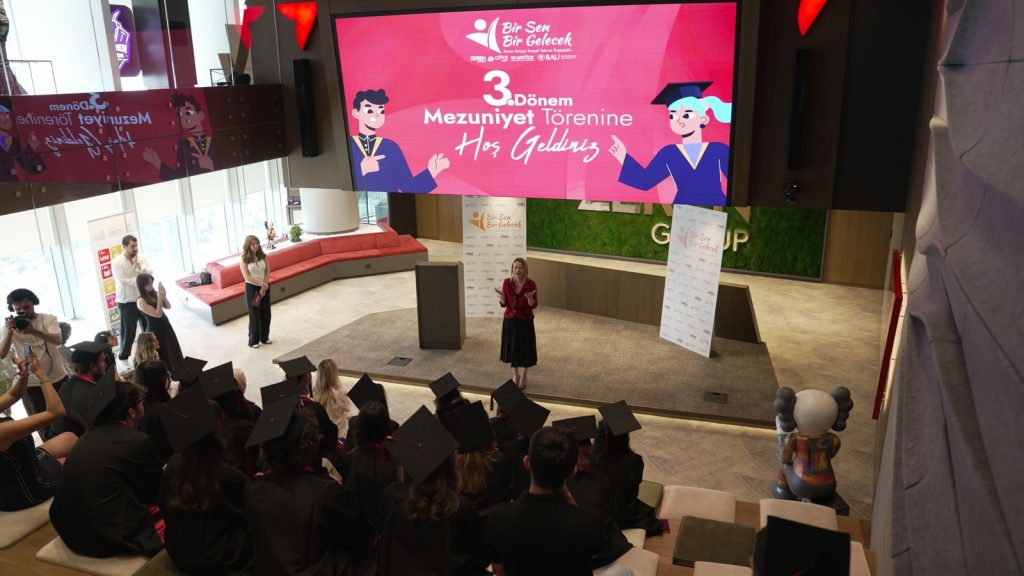
The graduation ceremony was presented by Aslıcan Açık, Coordination and Organization Assistant Specialist at CIFAL Istanbul, who coordinated and followed the implementation of the project throughout the programme. During the ceremony, Seda Zeren Adıgüzel, Member of the Board of Directors of Zeren Group Holding, and Prof. Dr. Çisil Sohodol, Director of CIFAL Istanbul, delivered speeches reflecting on the programme’s objectives, achievements, and contribution to young people’s development. Graduating students Arya Gürses, Barış Yavaş, and Sıla Soylu also took the stage to share their experiences and reflections. The students thanked the partner institutions, academics, and programme team, emphasising that the training had broadened their perspectives, strengthened their personal and professional competencies, and provided valuable guidance for their future academic and career journeys.
By bringing together Bahçeşehir University’s academic expertise, BAUGO’s digital learning infrastructure, the training and capacity-building approach of CIFAL Istanbul and UNITAR, and Zeren Group Holding’s commitment to youth development, the At the Edge of New Era: 21st Century Leadership Journey Training Programme continues to support young people in becoming more informed, capable, and future-ready individuals.