“Where is Humanity in the Midst of War?” written by Prof. Çisil Sohodol, Director of CIFAL Istanbul, was published in Dünya Newspaper on 7 March 2026.
The article examines the human, political, economic and social dimensions of war through the ongoing tensions between Iran, Israel and the United States. Beyond military developments, it explores how geopolitical competition affects regional security, energy markets, supply chains and global stability. Particular attention is given to the role of information, narratives and disinformation in shaping public perception and political decision-making, highlighting how the rapid circulation of information can deepen uncertainty and mistrust. The article also reflects on the contrast between humanity’s aspirations for a more sustainable and technologically advanced future and the persistence of conflict and destruction. By placing human security and everyday life at the centre of the discussion, it questions what societies begin to accept as normal in an increasingly uncertain world.
To read the full article, follow the link below:
https://www.dunya.com/kose-yazisi/savas-sahnesinde-insan-nerede/817357
On 7 February 2026, Prof. Çisil Sohodol, Director of CIFAL Istanbul, shared her insights on Tesla’s evolving energy strategy and the growing importance of energy storage in an article published in Dünya Gazetesi.
Abstract
Tesla, long regarded as a symbol of the electric vehicle revolution, is increasingly expanding its focus beyond automotive production toward energy storage and integrated energy systems. The article examines how the company’s growing investments in large-scale battery storage, solar energy and software-based energy management reflect a broader transformation in the global energy landscape. As electricity demand rises alongside the expansion of renewable energy, artificial intelligence, data centers and electrification, energy storage is becoming a critical component of resilient and efficient power systems. Drawing on Tesla’s evolving business model, the article also highlights the increasing importance of grid flexibility, regulatory frameworks and long-term energy planning. From Türkiye’s perspective, it underlines that integrating storage into the energy system is no longer merely a future-oriented technological choice, but a strategic infrastructure priority for managing renewable energy growth and increasing electricity demand.
To read the full article, follow the link below:
https://www.dunya.com/kose-yazisi/teslanin-hikayesi-artik-yollarda-degil-sebekede-yaziliyor/814202
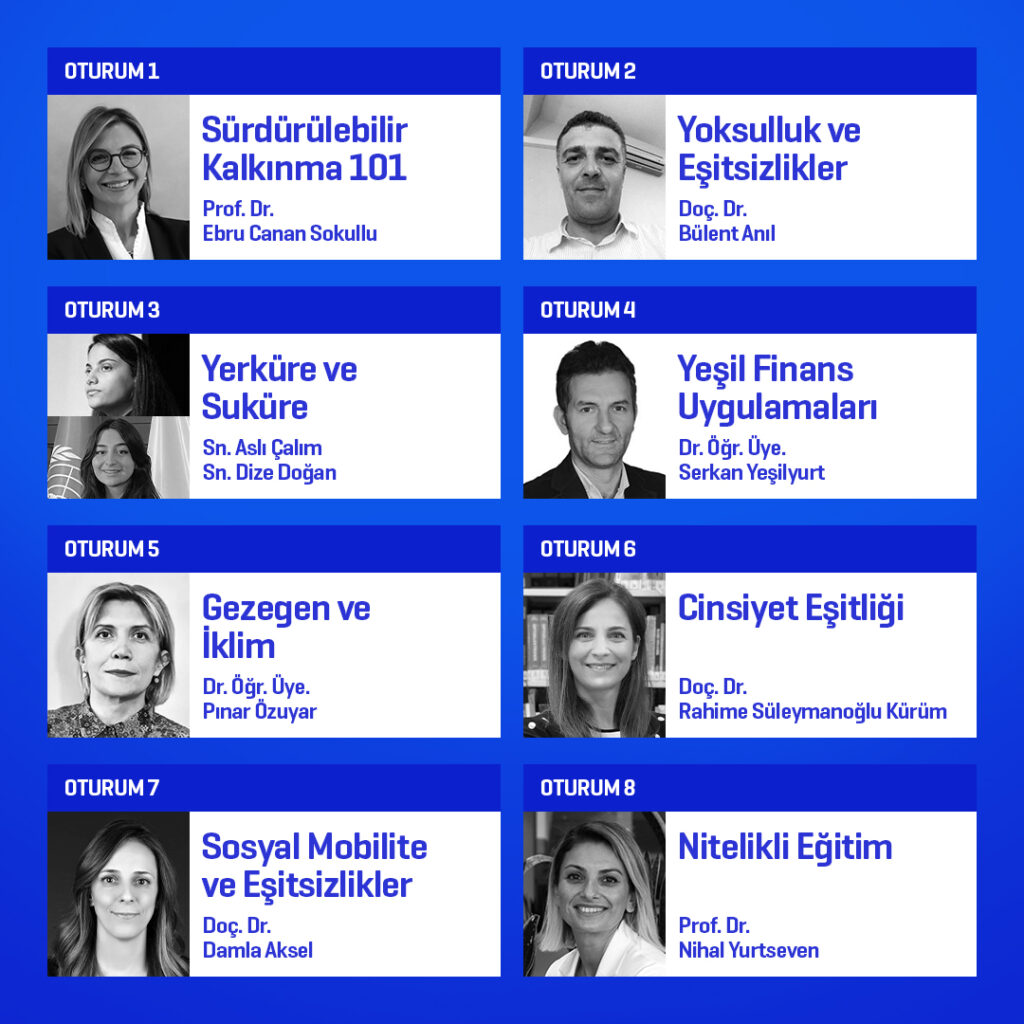
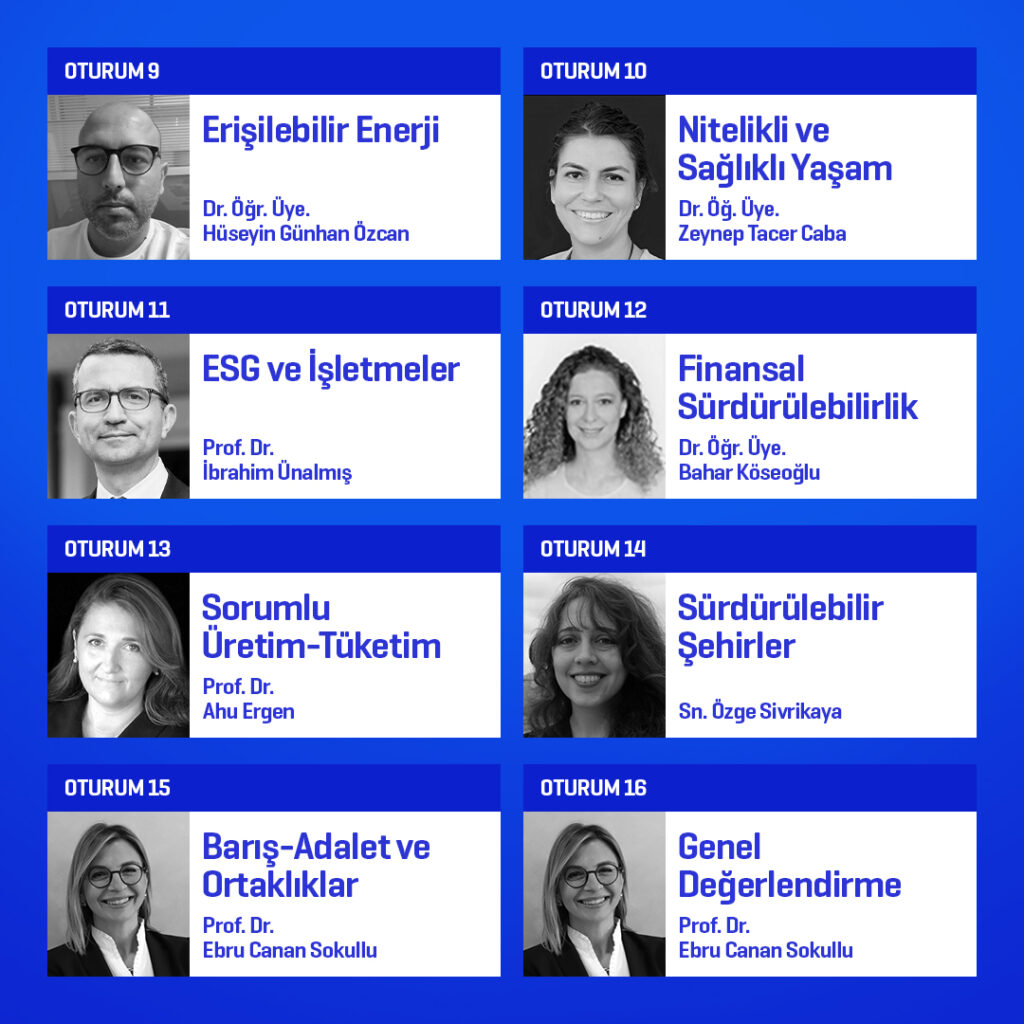
The second term of “Enerjisa: A Better and Sustainable Future,” carried out for the second time this year in partnership with Enerjisa Enerji, CIFAL Istanbul, UNITAR, and Bahçeşehir University, was successfully completed following a rich fourteen-week academic period.
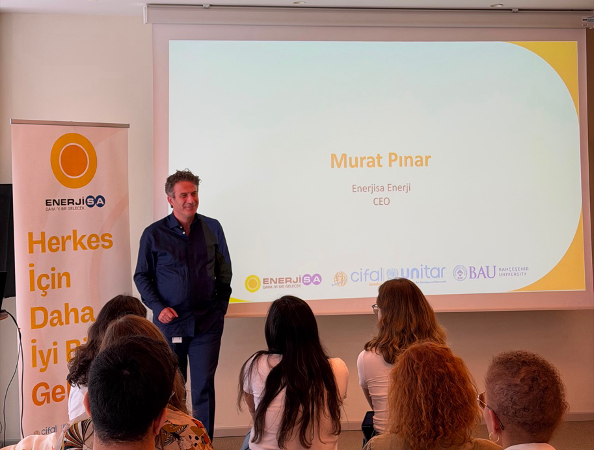
8 June 2026, Istanbul, Türkiye – Launched on 2 March 2026 with the kick-off lecture delivered by Prof. Dr. Çisil Sohodol, Director of CIFAL Istanbul, the second term concluded on 8 June 2026 with a closing lecture held at Enerjisa Headquarters with the participation of Murat Pınar, CEO of Enerjisa Enerji, followed by a certificate ceremony held on the same day.
Bringing together students from various departments, the program addressed topics such as sustainability, energy efficiency, corporate sustainability, social impact, sustainability communication, artificial intelligence, digital transformation, green finance, sustainable consumption, and next-generation skills through an interdisciplinary approach. With the contributions of distinguished speakers from academia, the private sector, public institutions, and civil society, students had the opportunity to explore sustainability through different sectors and areas of practice.
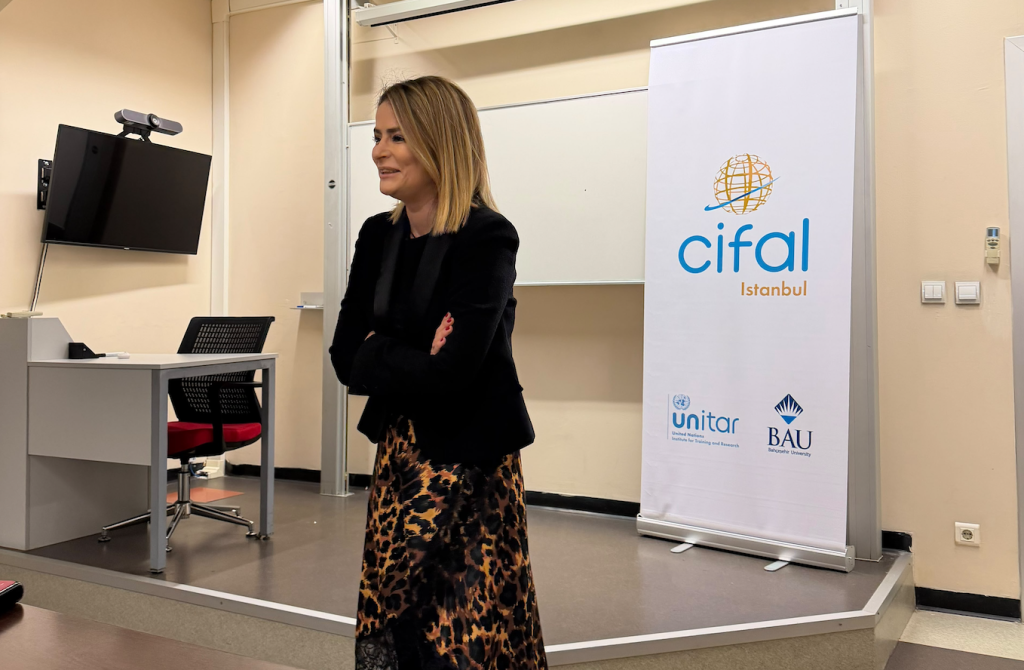
In the opening lecture, Prof. Dr. Çisil Sohodol emphasized the importance of addressing sustainability and the Sustainable Development Goals from interdisciplinary and cross-sectoral perspectives. Highlighting that sustainability should become a lasting area of awareness in students’ academic, professional, and personal lives, Prof. Dr. Sohodol also underlined the role of sustainability communication in creating social impact.
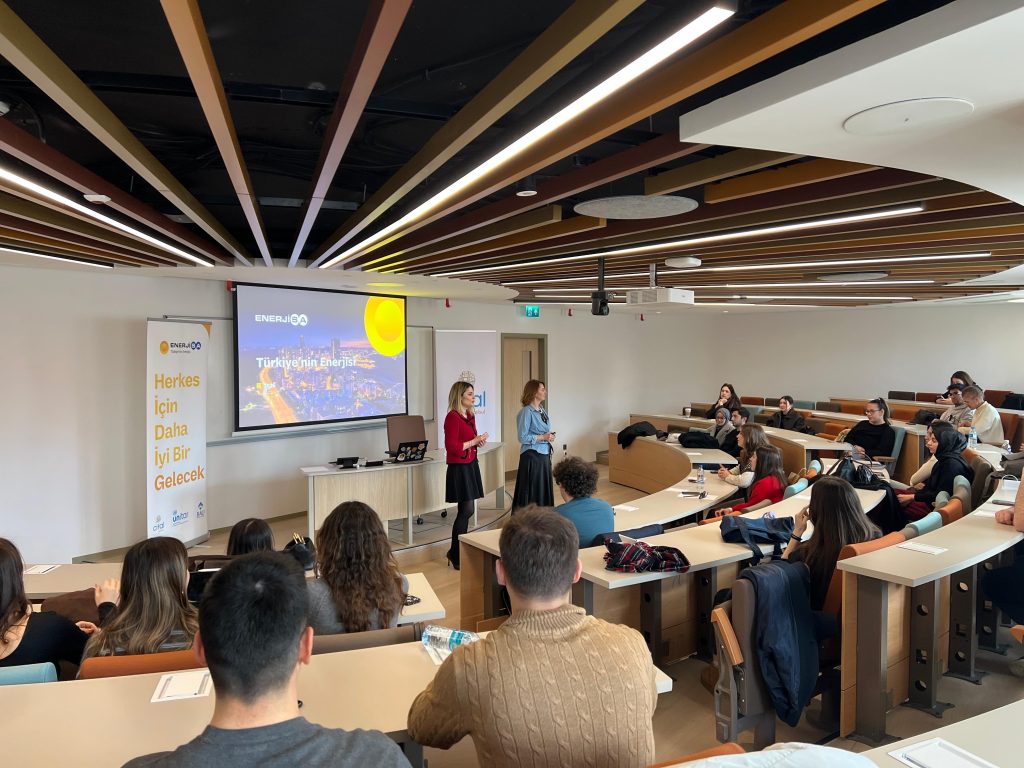
Throughout the term, representatives from Enerjisa Enerji, including Ebru Taşcıoğlu, Irmak Pınar Tercan, Göktürk Demirel, and Murat Pınar, came together with students to share their experiences on the energy sector, corporate sustainability, sustainability communication, social investment, volunteering activities, and Enerjisa’s vision for a better future. Through these sessions, students had the opportunity to hear directly from sector professionals about the role of sustainability in the energy sector and the social, environmental, and economic impact areas of institutions.
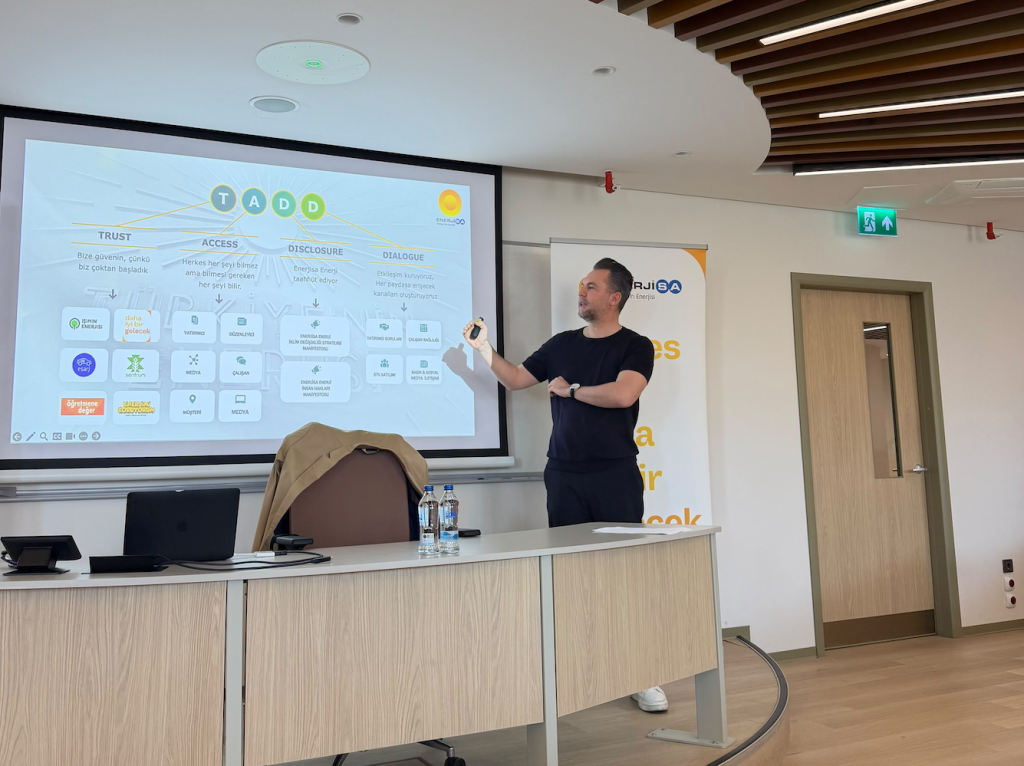
The program also covered a wide range of themes, including civil society, social entrepreneurship, economic efficiency, green finance, digital transformation, artificial intelligence, future trends, energy policies, sustainable consumption, and next-generation skills, with the contributions of speakers from different fields of expertise. Sait Beyazyürek, General Manager of Needs Map and Member of the IDEMA Steering Committee; Prof. Dr. Itır Erhart, Dean of the Faculty of Communication at Istanbul Bilgi University; Ercüment Büyükşener, Founder of Digital Gateway; Prof. Dr. Emre Alkin, Rector of Istanbul Topkapı University; Akan Abdula, Founder of FutureBright; Dr. Bilal Düzgün, Head of the Department of Energy Efficiency and Environment at the Ministry of Energy and Natural Resources; Prof. Dr. Ahu Ergen, Head of the Department of International Trade and Business at Bahçeşehir University; and Dr. Yasemin Ülker, Deputy Director of CIFAL Istanbul, were among the speakers who met with students throughout the program.
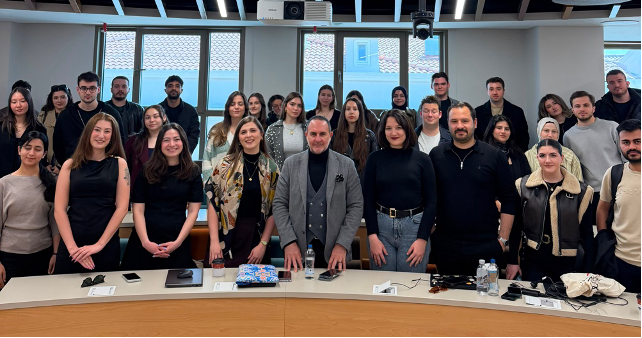
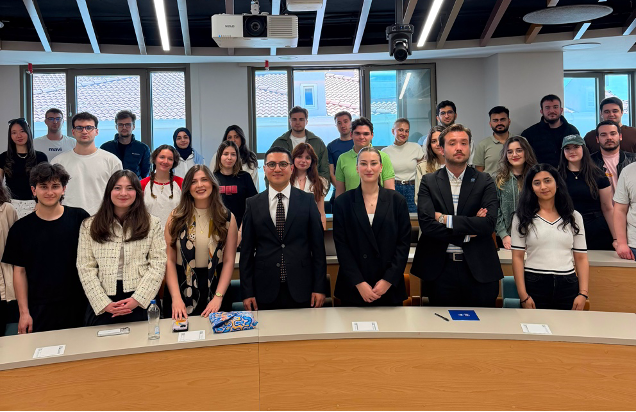
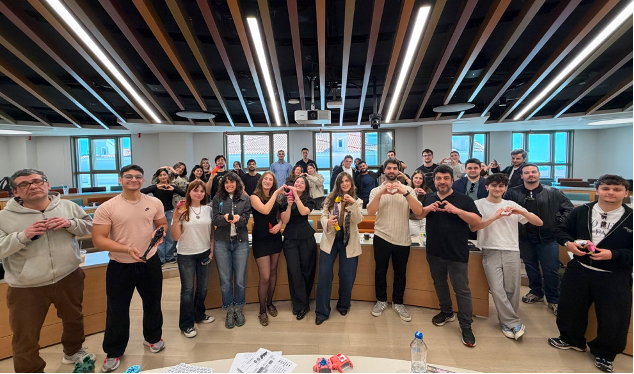
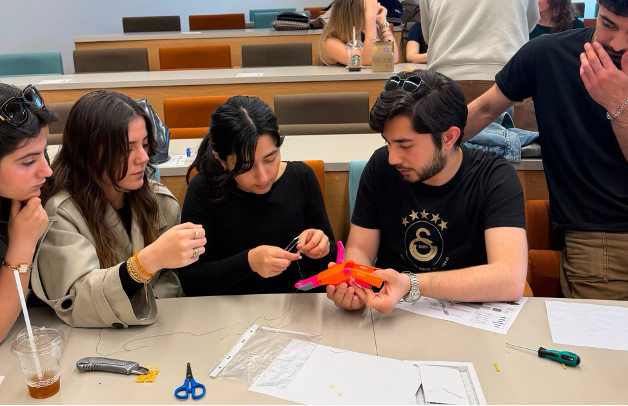
In addition to the lectures, the hands-on workshop organized in collaboration with Robotel Association stood out as one of the most meaningful and impactful components of the program. During the workshop, students actively participated in the assembly of 3D-printed mechanical hands designed for children with limb differences, gaining first-hand experience in a project that brings together technology, social innovation, and community engagement. By contributing directly to the production process, students were able to observe how innovative solutions can respond to real social needs and create tangible value for individuals and communities.
The workshop also encouraged collaboration, problem-solving, and empathy, while offering participants a deeper understanding of the relationship between sustainability, accessibility, and inclusive design. Through this practical experience, students engaged with the concepts of sustainability and social impact not only within a theoretical framework, but also through a concrete and purpose-driven application.
The closing lecture of the program was delivered by Murat Pınar, CEO of Enerjisa Enerji, under the title “Building a Better and Sustainable Future: An Enerjisa Experience” at Enerjisa Headquarters. During the closing session, students had the opportunity to learn about Enerjisa’s sustainability vision, its approach to transformation in the energy sector, and its efforts to build a better future through the lens of institutional experience.
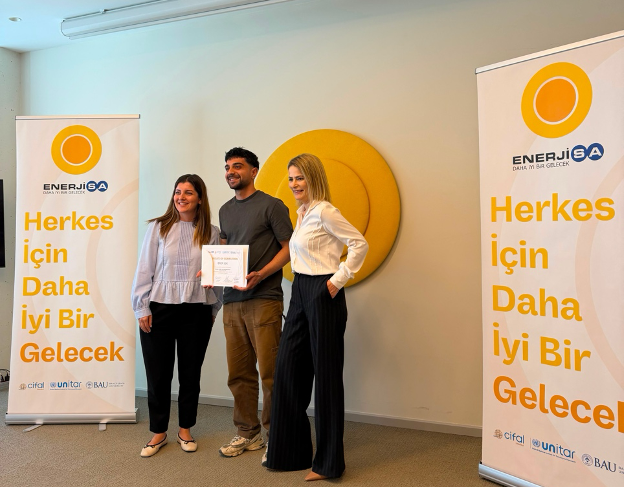
Following the closing lecture, a certificate ceremony was held for the students who successfully completed the second term of “Enerjisa: A Better and Sustainable Future.” After the ceremony, students toured Enerjisa Headquarters accompanied by Enerjisa Enerji executives and had the chance to observe the institution’s working environment closely. The program concluded with a networking gathering that brought together students, academics, and representatives of Enerjisa Enerji.
Throughout the fourteen-week academic period, “Enerjisa: A Better and Sustainable Future” brought together interdisciplinary learning, sectoral experience, and social impact-oriented practices in the field of sustainability, contributing to students’ knowledge, awareness, and skills for building a better and more sustainable future.
STEP Ambassadors Development Journey has begun with the cooperation of Yapı Kredi Banking Academy, Bahçeşehir University & CIFAL Istanbul! We aim to create STEP Ambassadors who value the world and nature and embrace the importance of sustainable life.
Within the scope of the STEP Ambassadors Development Journey Program, it is planned to provide sustainability literacy trainings for Yapı Kredi Bank employees in cooperation with Yapı Kredi Bank, CIFAL Istanbul, UNITAR and Bahçeşehir University, in order to increase the efforts to reflect the sustainability vision of the institution and to increase the knowledge of the employees on the Sustainable Development Goals (SDGs). Within the scope of this program, a curriculum of 16 sessions, three sessions a week, will be studied with the trainers to be determined by CIFAL Istanbul via the Webex platform of Yapı Kredi.