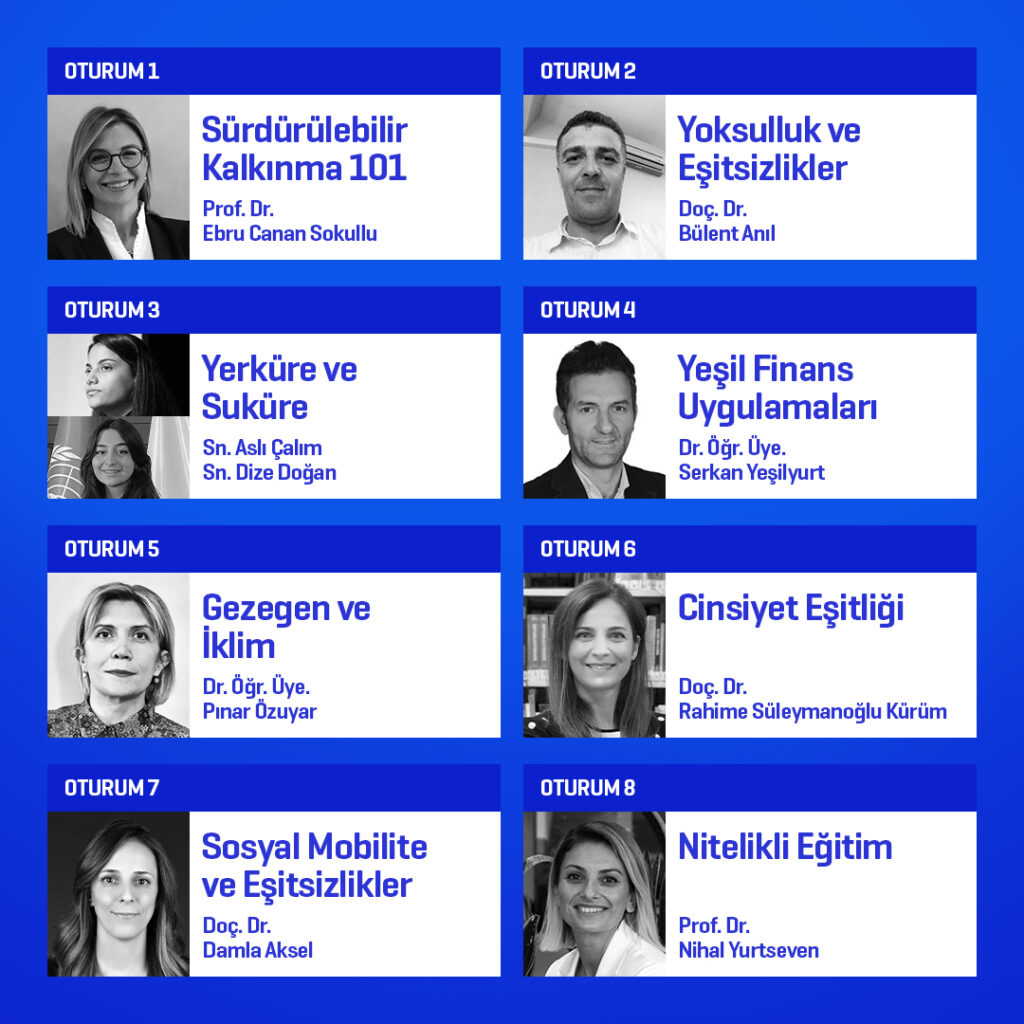

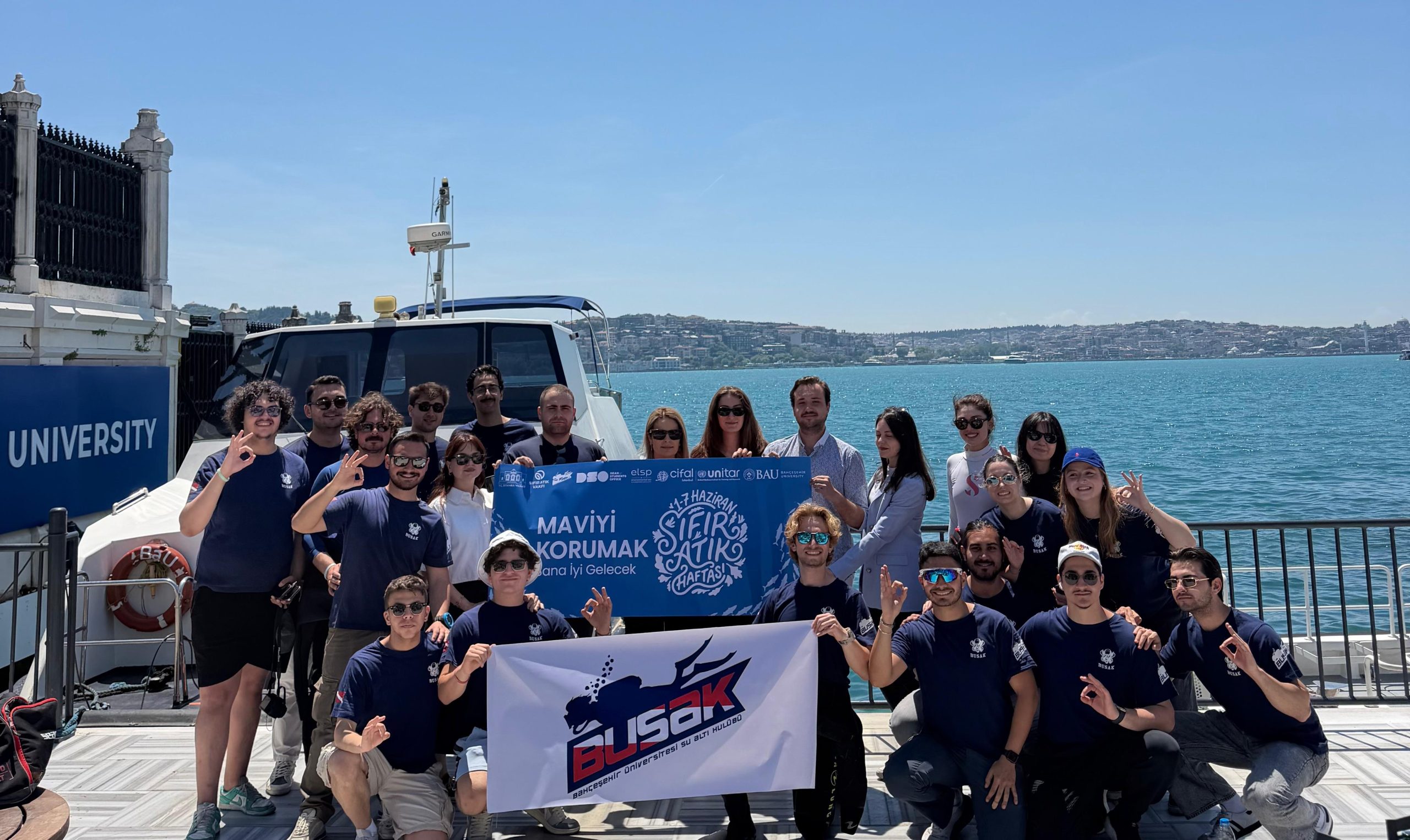
3 June 2026, Istanbul, Türkiye – As part of Istanbul Zero Waste Week, held under the auspices of the Zero Waste Foundation and the Governorship of Istanbul, an Underwater Waste Collection and Cleanup Dive was launched from BAU Port into the Bosphorus. The event was organized in collaboration with BAU BUSAK, BAU ELSP, CIFAL Istanbul, UNITAR, and Bahçeşehir University.
Diving from BAU Port, BUSAK (Bahçeşehir University Underwater Student Club) students and teams from the Turkish Coast Guard Command collected waste accumulated beneath the waters of the Bosphorus. Aiming to protect marine ecosystems and draw attention to underwater pollution, the activity also enabled university students to take an active role in addressing environmental challenges.
During the dives, a wide range of waste materials that could harm the marine ecosystem was removed from the depths of the Bosphorus, including vehicle tyres, plastic products, packaging waste, and various everyday items. The waste collected during the activity once again highlighted the effects of unsustainable consumption habits and discarded materials on the seas and underwater life.While removing the waste, the diving teams also encountered small crabs and various shellfish that had taken shelter inside or around the discarded materials. The marine creatures were carefully separated from the waste and released back into the sea so that they could continue living in their natural habitats. In this way, the activity prioritized not only the removal of underwater waste but also the protection of marine life throughout the cleanup process.
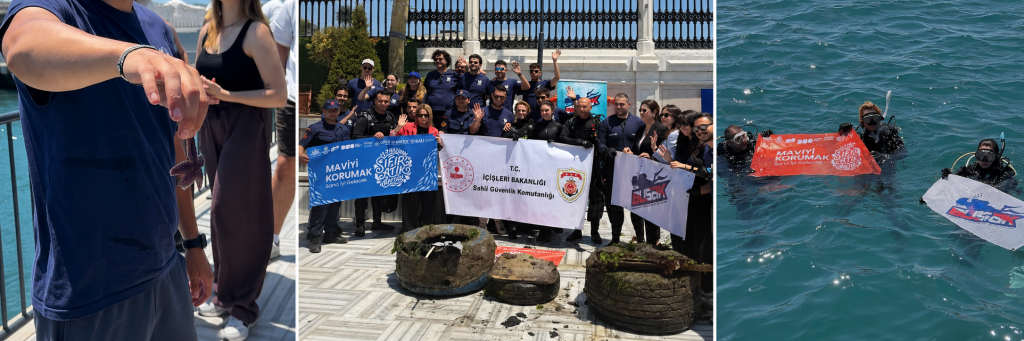
An underwater lighting device developed by Bahçeşehir University was used during the dives. By supporting the divers’ visibility beneath the surface, the device demonstrated how scientific and technological solutions developed within universities can be applied in field activities aimed at protecting the environment and natural ecosystems.
The underwater cleanup contributed to raising public awareness of marine pollution, responsible waste management, and the protection of natural resources. Bringing together public institutions, academia, and university students around a shared environmental goal, the event emphasized that cleaner seas and healthier ecosystems can only be achieved through cooperation and a collective sense of responsibility.
Held as part of Istanbul Zero Waste Week, the activity represented an important step towards protecting the natural heritage of the Bosphorus and leaving future generations a cleaner, more liveable, and more sustainable environment.
3 June 2026, Istanbul, Türkiye – Held at Bahçeşehir University as part of Istanbul Zero Waste Week, the workshop transformed a wide range of ingredients commonly discarded in kitchens—from fruit and vegetable peels to seeds, stale bread, and coffee grounds—into creative recipes and sustainable culinary products.
The “Zero-Waste Recipes Workshop” was held on 3 June 2026 at the kitchen of the Bahçeşehir University Department of Gastronomy and Culinary Arts as part of Istanbul Zero Waste Week, an initiative implemented under the auspices of the Zero Waste Foundation and the Governorship of Istanbul.
Organized in collaboration with CIFAL Istanbul, UNITAR and Bahçeşehir University, with the contributions of the BAU Department of Gastronomy and Culinary Arts, the workshop brought together practical methods for preventing food waste with the creative potential of gastronomy.
Food Scraps Became Essential Ingredients in New Recipes
Throughout the workshop, food components that are often discarded during preparation were repurposed through a range of creative culinary techniques. Onion and garlic skins were dried, ground into powder, and incorporated into the spice mixture prepared for Islama Köfte, enhancing the dish’s aroma and flavour. Stock made from meat and bones was used to flavour and toast stale bread, while another portion of the bread was transformed into crostini.
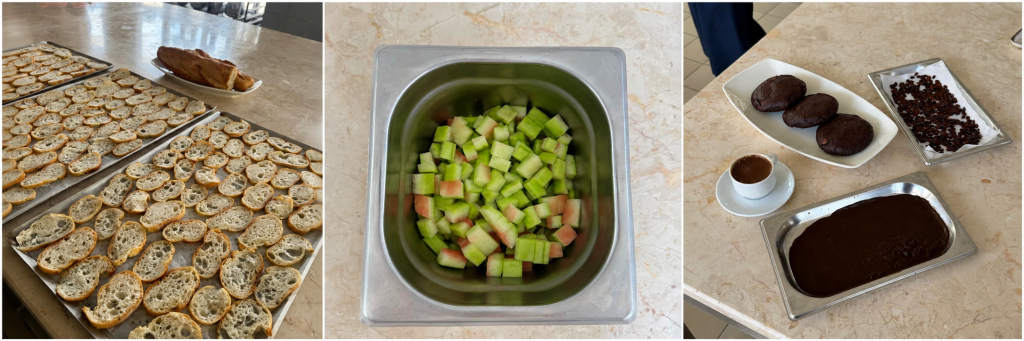
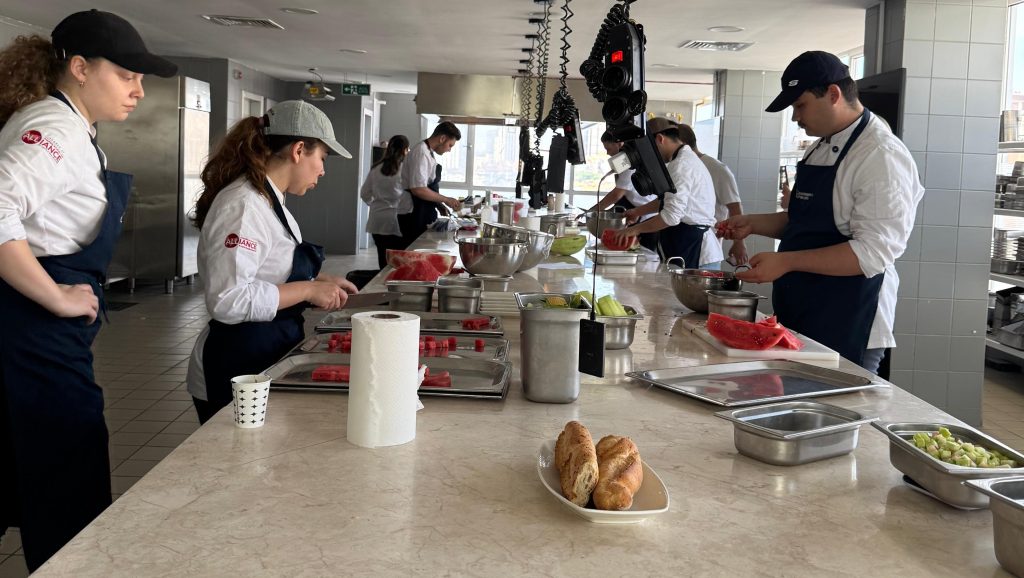
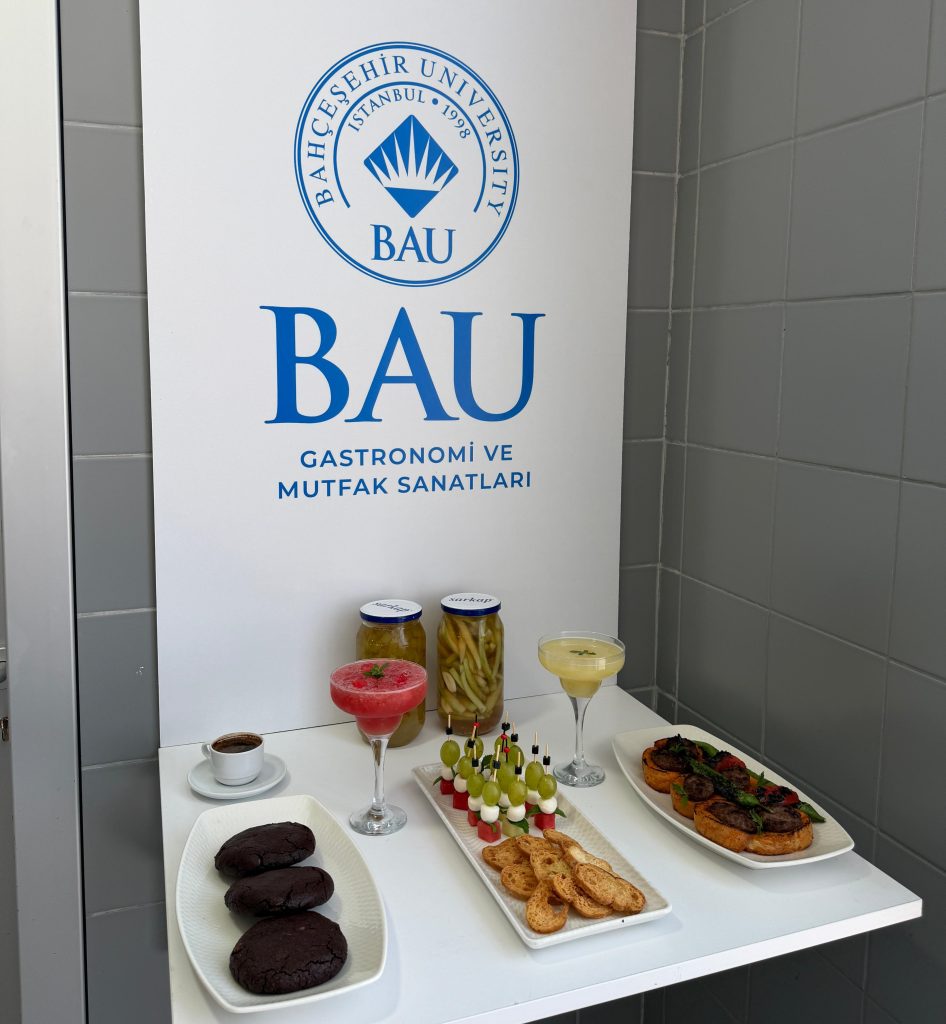
Melon seeds were used to prepare sübye, a traditional beverage rooted in Ottoman culinary culture, bringing together culinary heritage and contemporary sustainability practices. Watermelon and melon were also utilized comprehensively: their edible parts were combined with cheese to create canapés, while watermelon was used to prepare a refreshing frozen beverage.
The white part of the watermelon rind was processed into pickles and jam, demonstrating how parts commonly regarded as waste can be preserved and transformed into new products. Watermelon seeds were dried, ground into flour, and incorporated into coffee-flavoured cookies. Similarly, the grounds remaining after the preparation of Turkish coffee were processed for use as an alternative ingredient in baked goods.
Together, these practices demonstrated how peels, seeds, stale bread, bones, and other food remnants can be returned to the culinary production cycle rather than discarded. By combining traditional knowledge with innovative techniques, the workshop offered practical examples of how food waste can be reduced while creating new flavours, textures, and products.
The Zero-Waste Approach Extended Beyond the Recipes
The workshop was not limited to developing new recipes. Every stage of food preparation was addressed through a comprehensive perspective focused on the efficient use of resources and the minimization of potential waste.
Watermelon and melon peels remaining from the preparation process were separated for composting rather than being sent directly to waste disposal. The organic materials were allocated for use in the cultivation of fruit, vegetables, and aromatic plants in the garden of the BAU Department of Gastronomy and Culinary Arts.
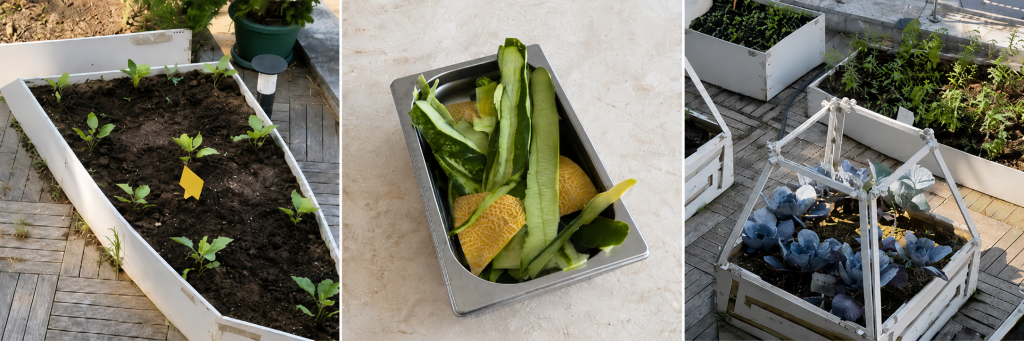
The department’s garden enabled the sustainability approach introduced during the workshop to extend beyond the boundaries of the kitchen. By converting organic kitchen scraps into compost and returning them to the soil, the workshop contributed to the completion of the cycle between food production and consumption.
In this respect, the garden stands out not only as an agricultural production area but also as a practical sustainability environment where students and participants can observe the journey of food from soil to table and from the table back to the soil. Through this model, the department’s garden functions as a living learning environment that brings together culinary education, ecological awareness, and sustainable production. The integration of kitchen practices with composting and cultivation also highlights the importance of designing food systems in which resources remain in circulation for as long as possible.
A Practical Culinary Model for Preventing Food Waste
The practices carried out during the workshop emphasized that preventing food waste is achievable not only in professional kitchens but also through methods that can be incorporated into daily household routines.
Participants experienced how careful planning, storage, transformation, and reuse techniques can increase the yield obtained from food products, enable familiar recipes to be reinterpreted with alternative ingredients, and significantly reduce the amount of organic waste generated in kitchens. Implemented with the academic and practical contributions of the BAU Department of Gastronomy and Culinary Arts, the workshop presented an exemplary gastronomic model in which no food component was regarded as functionless waste. Instead, each ingredient was kept within the production cycle through reuse, transformation, preservation, or composting.
İstanbul, Türkiye – 5 June 2026, the “Zero-Waste Fashion: Textile Upcycling Workshop with Fırat Neziroğlu” was organized by CIFAL Istanbul Youth Platform in collaboration with CIFAL Istanbul, UNITAR and Bahçeşehir University at the Fırat Neziroğlu Atelier at Bahçeşehir University. The event took place as part of Istanbul Zero Waste Week, which was organized under the auspices of the Zero Waste Foundation and the Governorship of Istanbul.
The workshop addressed the environmental challenges associated with the fashion and textile industry by promoting sustainable alternatives grounded in creativity and responsible consumption. Contributing to Sustainable Development Goal 12: Responsible Consumption and Production, by encouraging waste reduction, reuse practices, and more conscious consumer choices, it also aligned with Sustainable Development Goal 13: Climate Action by highlighting the importance of reducing the environmental footprint of textile production and fostering individual and collective action towards more sustainable lifestyles.
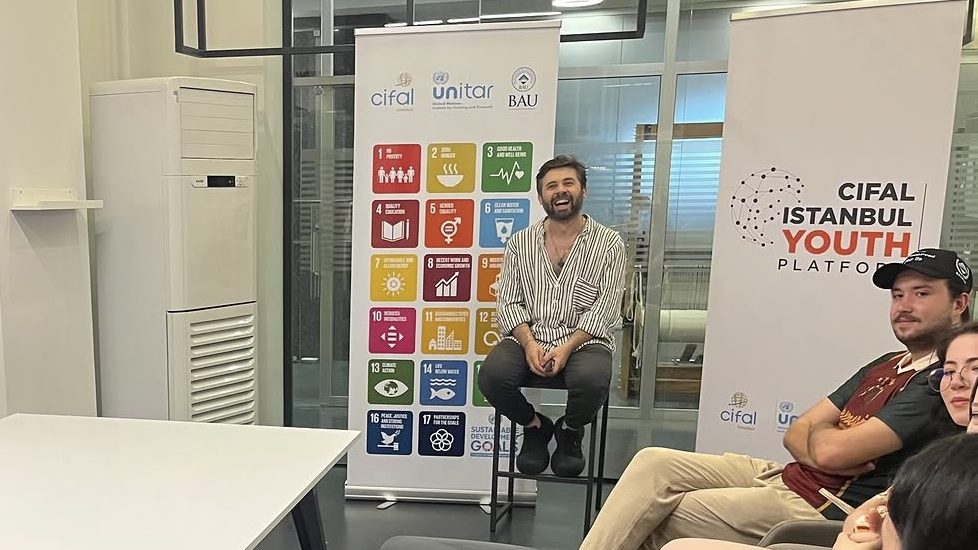
The programme began with a presentation and interactive discussion led by renowned textile artist Fırat Neziroğlu, focusing on sustainable fashion, traditional textile practices, and innovative approaches to upcycling. Participants explored the social and environmental impacts of fast fashion while gaining insight into how discarded materials can be transformed into valuable and meaningful products.
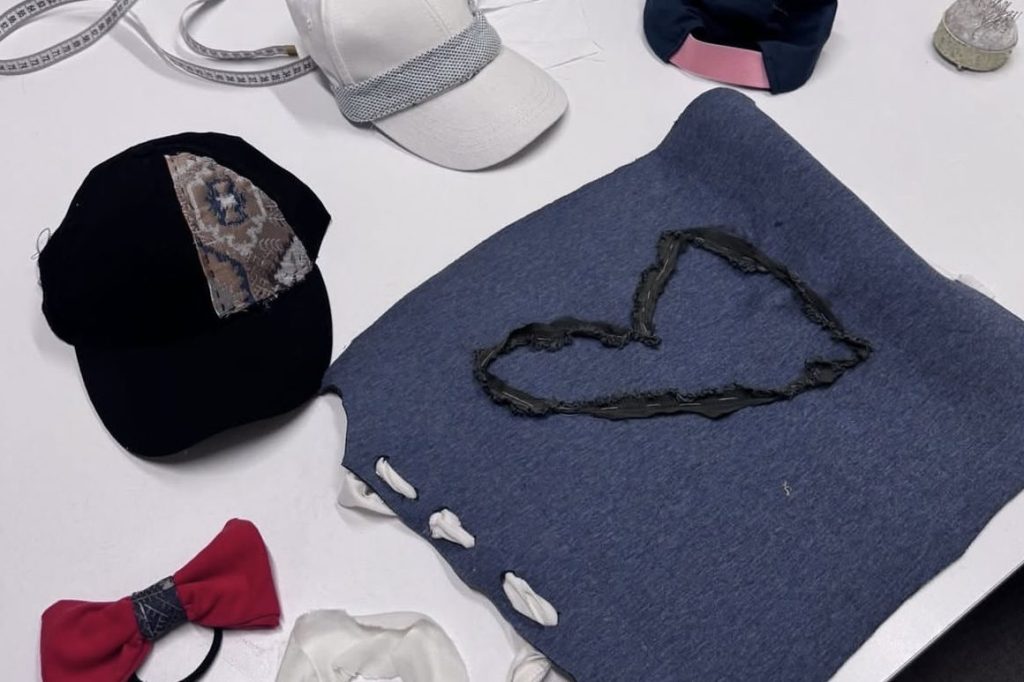
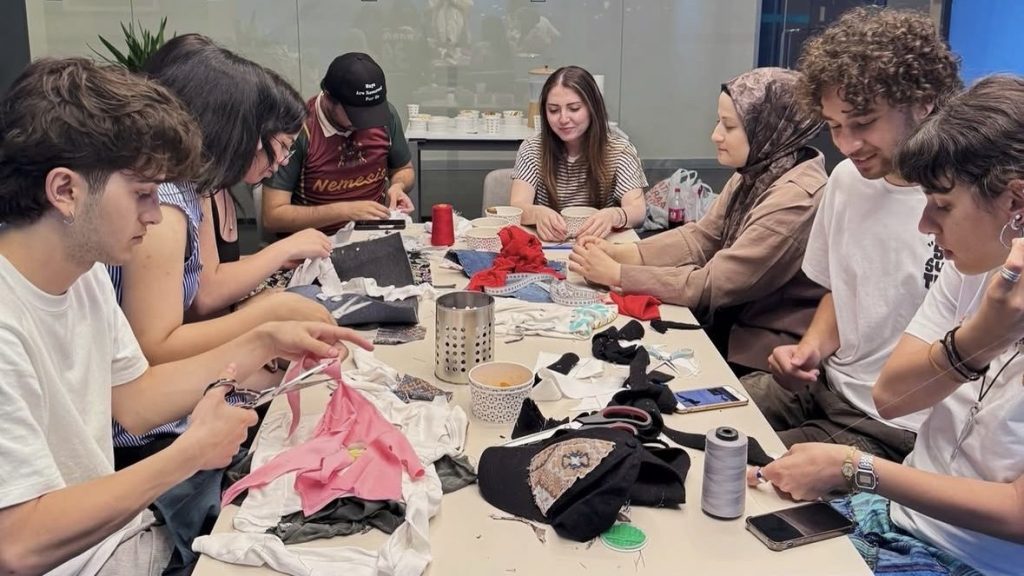
Following the discussion, attendees took part in a hands-on workshop experience, creating their own upcycled textile pieces and experiencing the practical applications of creative reuse. Using old and unused textile materials, participants transformed discarded items into new and functional products, demonstrating how creativity can extend the life cycle of materials that might otherwise become waste. Through this process, they explored the potential of upcycling as both an artistic practice and a sustainable solution for reducing textile waste. By combining knowledge-sharing with experiential learning, the workshop provided participants with both the awareness and the tools needed to integrate zero-waste principles into their daily lives.
The CIFAL Istanbul Youth Platform extends its sincere appreciation to Fırat Neziroğlu for sharing his expertise and experience, as well as for his valuable contributions to this workshop.
Food production generates a lot of residual material, which is usually not put to use but disposed of. At the same time, there is an increasing demand for alternatives to plastic packaging. Biodegradable and compostable packaging can be a sustainable solution, especially if it is made of leftovers from food production. In a new SAVE FOOD research project, students of Bahçeşehir University (BAU) in Istanbul have developed interesting ideas regarding the matter.
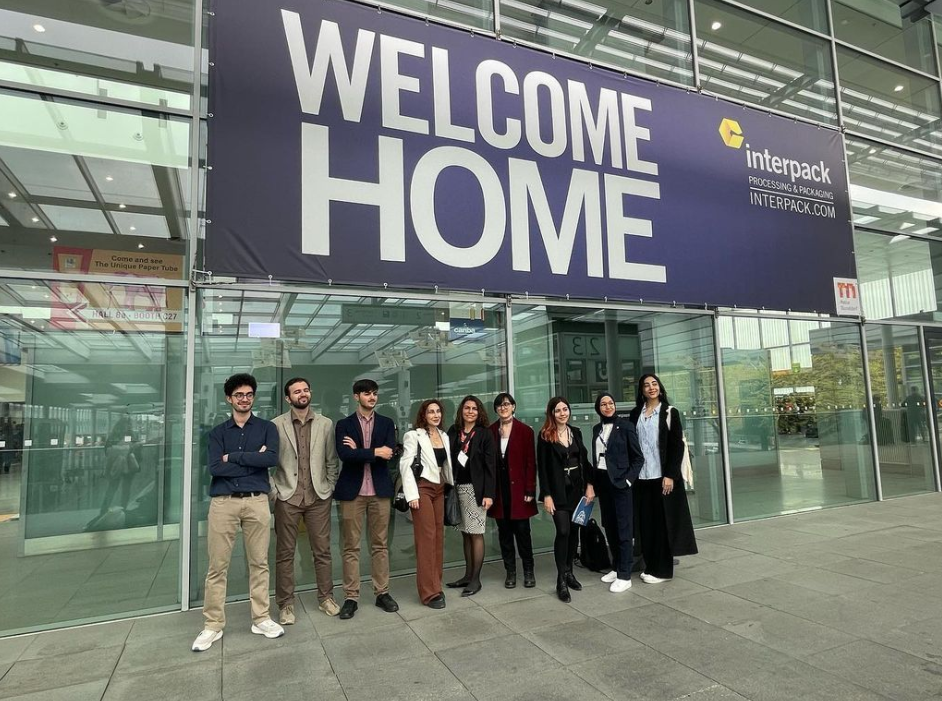
“Bio-Based Packaging Using Food Waste Student Challenge (Student Competition for the Development of Bio-Packaging Using Food Waste/Byproducts)” started in October 2022 with the proposal of FAO Regional Office for Europe and Central Asia in partnership with Bahçeşehir University, Messe Düsseldorf GmbH and CIFAL Istanbul – UNITAR.
For this interdisciplinary research project, 28 students from different courses of study – bio-engineering and bio-medical engineering, industrial design, industrial engineering and management, computer engineering, molecular biology and genetics, electrical engineering/electronics and energy systems technology – have assembled in six teams. As preparation, they enrolled in courses on topics like food packaging, materials science, design thinking and applied nanotechnology. The project took off in the middle of December 2022, and the teams were given three months to complete their projects.The groups presented the results and the uniqueness of their work to the esteemed jury members who determined the two groups to represent BAU and CIFAL Istanbul at the Interpack Trade Fair in Düsseldorf in May 2023.
Six project ideas developed by students were as follows:
- SCOBY biofilm using tea waste as a novel packaging for dried foods (winner)
- PLA and rice husk integrated nano-film for the modified atmosphere packaging of strawberries (winner)
- 3D printed pectin film for confectionery
- Double-layered packaging made from banana leaves, mussel shells, and watermelon rinds
- Nano-film using pomegranate peel for meat packaging
- Beeswax-coated inner case for milk packaging
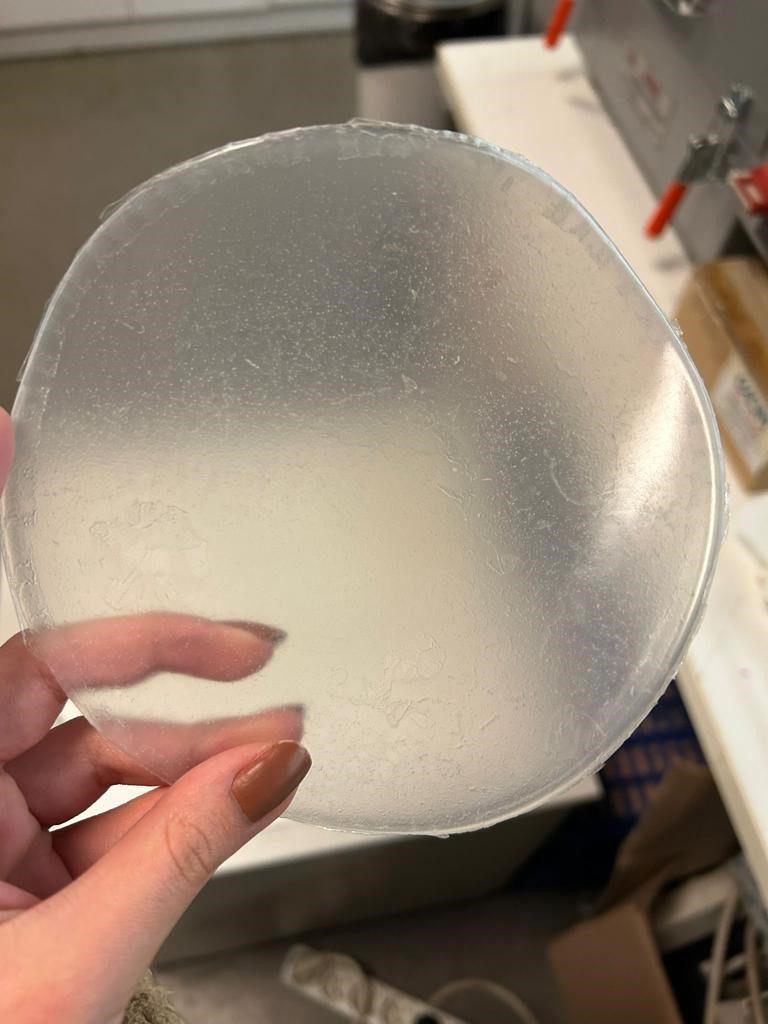
For example, for packaging dry foods, a bioplastic wrap made of kombucha SCOBY was developed, made from waste material of oranges and tea leaves. Another team implemented the idea of packaging strawberries under a protective atmosphere using integrated nano wrap made from PLA and rice husks. For sweets, one team developed a 3D printed pectin film, another produced double-layer food packaging from banana leaves, seashells and watermelon rinds. Packaging for meat, made from nano wrap and pomegranate peel, as well as a beeswax-coated inner sleeve for milk cartons, were also among the student teams’ ideas.
Two projects made it into the final selection of the jury: the SCOBY bioplastic wrap made of waste tea leaves and oranges and the protective packaging for strawberries made from PLA and rice husks. “All the concepts that were entered for the challenge have the potential – after some improvements – for practical use”, says Zeynep Tacer Caba, Assistant Professor at the faculty for engineering and natural sciences at Bahçeşehir University, who is responsible for the project. “The two chosen projects have especially good prospects with regard to practical applicability.” They have the potential to become truly sustainable, environmentally friendly solutions for the current problems in the food packaging sector. However, the groups who did not win are planning to continue their ideas as research projects.”

Both selected projects were presented at interpack within the forum Spotlight Talks & Trends in May 9, 2023. “The six groups of students have worked really hard to master numerous challenges, for example the selection and safety of food sources, the feasibility of their ideas, internal communication problems within the group or technical challenges regarding the experiments”, says Zeynep Tacer Caba. “All in all, they have learned how to develop a product all the way from the initial idea to the prototype.”
The kick-off for this innovative project was the regional conference “Enabling the change” hosted by the FAO in Istanbul in October 2022, which was dedicated to the framework conditions and innovations surrounding the reduction of food waste. The project partners are the SAVE FOOD Initiative, Messe Düsseldorf GmbH and CIFAL Istanbul, which is part of the United Nations Institute for Training and Research UNITAR, and Bahçeşehir University.

STEP Ambassadors Development Journey has begun with the cooperation of Yapı Kredi Banking Academy, Bahçeşehir University & CIFAL Istanbul! We aim to create STEP Ambassadors who value the world and nature and embrace the importance of sustainable life.
Within the scope of the STEP Ambassadors Development Journey Program, it is planned to provide sustainability literacy trainings for Yapı Kredi Bank employees in cooperation with Yapı Kredi Bank, CIFAL Istanbul, UNITAR and Bahçeşehir University, in order to increase the efforts to reflect the sustainability vision of the institution and to increase the knowledge of the employees on the Sustainable Development Goals (SDGs). Within the scope of this program, a curriculum of 16 sessions, three sessions a week, will be studied with the trainers to be determined by CIFAL Istanbul via the Webex platform of Yapı Kredi.