

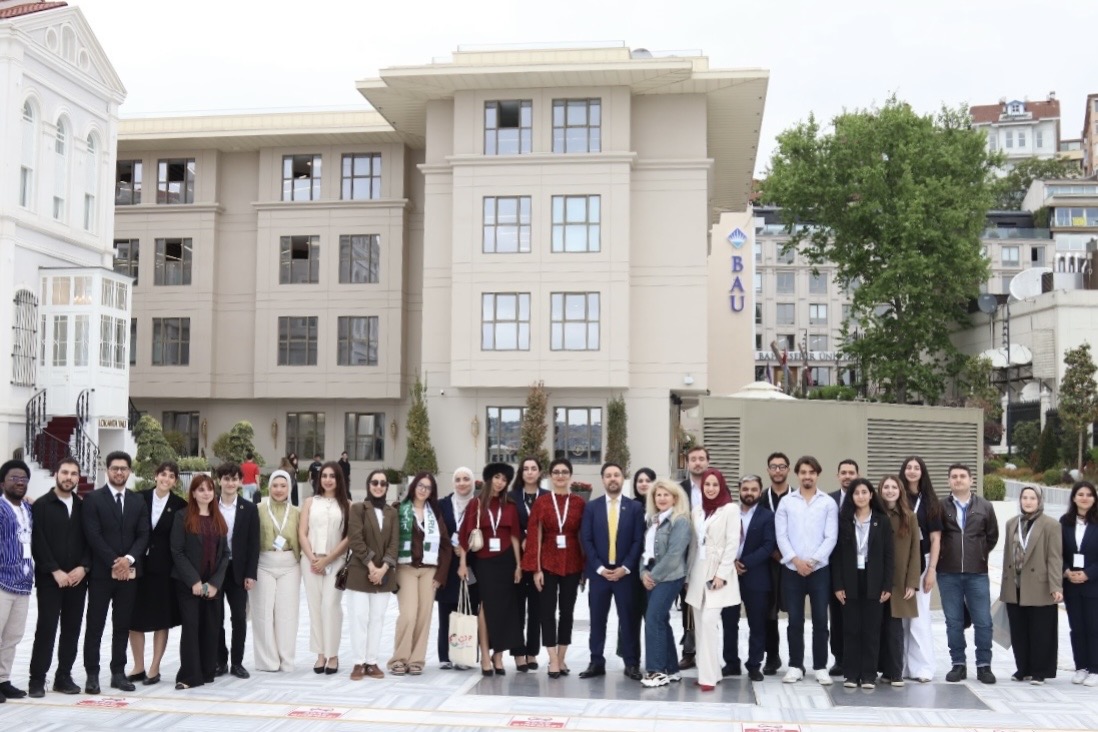
Global Youth Summit for Sustainability 2026, Organized by YCDP in Collaboration with CIFAL Istanbul, UNITAR, and Bahçeşehir University, Brings Together Young Leaders in Istanbul
21–24 May 2026, Istanbul, Türkiye – The Global Youth Summit for Sustainability 2026, organized by the Youth Center for Dialogue and Peace (YCDP) in collaboration with CIFAL Istanbul, UNITAR, and Bahçeşehir University, brought together young leaders, academics, practitioners, and representatives from international organizations for four days of dialogue, learning, and collaboration on sustainability and climate action. Among the participants were members of the CIFAL Istanbul Youth Platform, who took part in the four-day programme, engaging in discussions and activities alongside participants from different countries and sectors.
Held at Hyatt Regency Ataköy and Bahçeşehir University, the summit provided an international platform for participants from diverse backgrounds and countries to exchange ideas, strengthen partnerships, and explore innovative approaches to today’s most pressing global challenges. As Türkiye prepares to host COP31 in Antalya in 2026, the summit highlighted the importance of meaningful youth participation in shaping sustainable and climate-resilient societies.
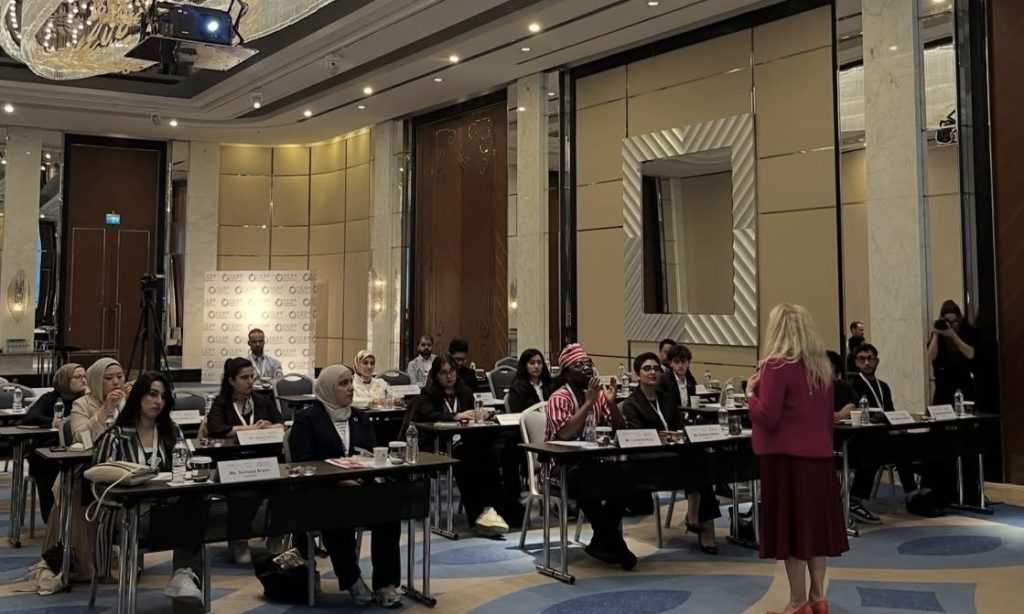
The programme commenced on 21 May with an inauguration ceremony at Hyatt Regency Hotel, followed by discussions focusing on intergenerational collaboration for sustainable development and the role of young people in creating more inclusive and resilient communities.
On 22 May, an open sessions hosted at Bahçeşehir University brought together students, youth advocates, academics, and representatives from the United Nations system. Through keynote speeches and panel discussions, participants explored the connections between climate action, sustainable development, and youth leadership. The programme emphasized the importance of ensuring that young people are not merely consulted in decision-making processes but are actively involved in designing and implementing solutions that address the climate crisis.
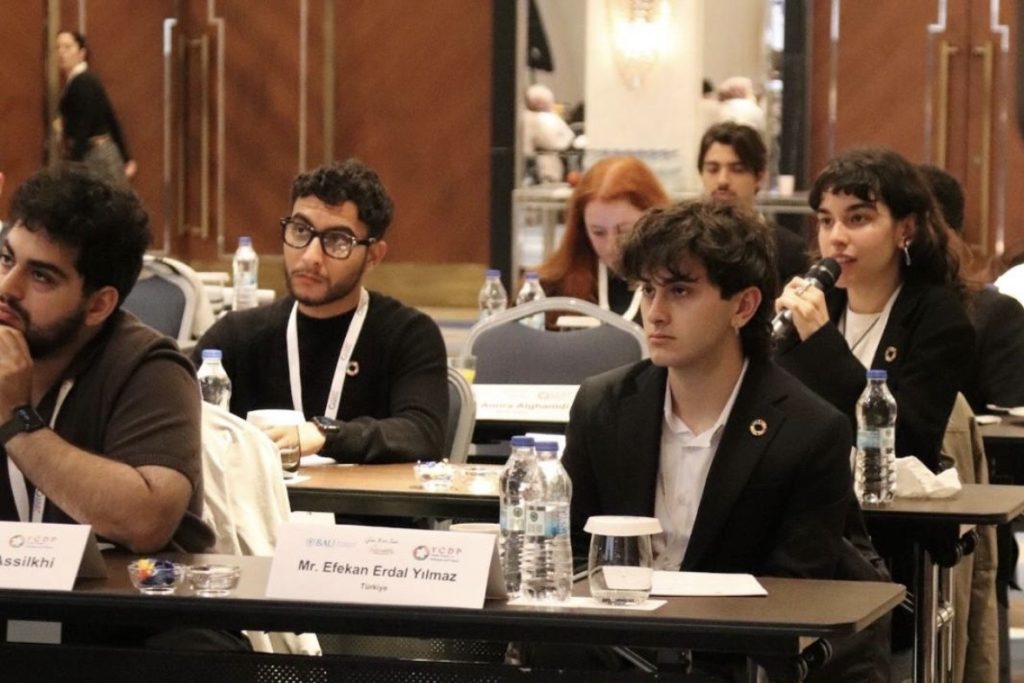
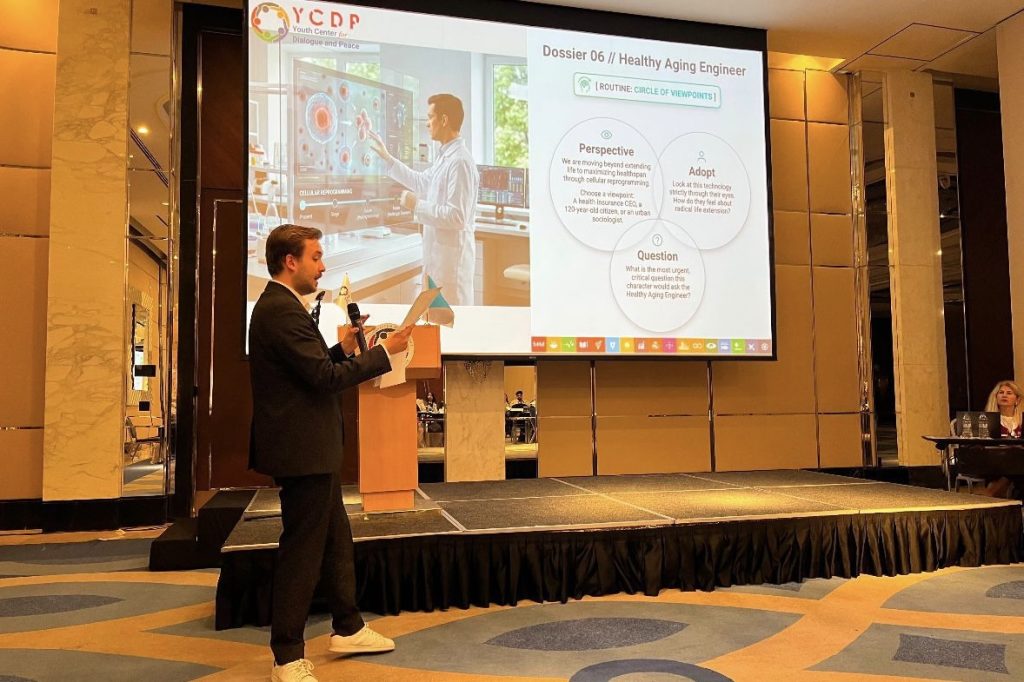
The summit continued on 23 May at Hyatt Regency Hotel with interactive workshops and discussions focusing on humanitarian action, strategic sustainability, and green entrepreneurship. Participants had the opportunity to develop practical perspectives on sustainable business models, strengthen their leadership capacities, and engage in collaborative learning experiences.The day concluded with the presentation of the Youth Statement on Sustainability, followed by the closing ceremony, during which participants reflected on the achievements of the summit and celebrated the completion of the programme.
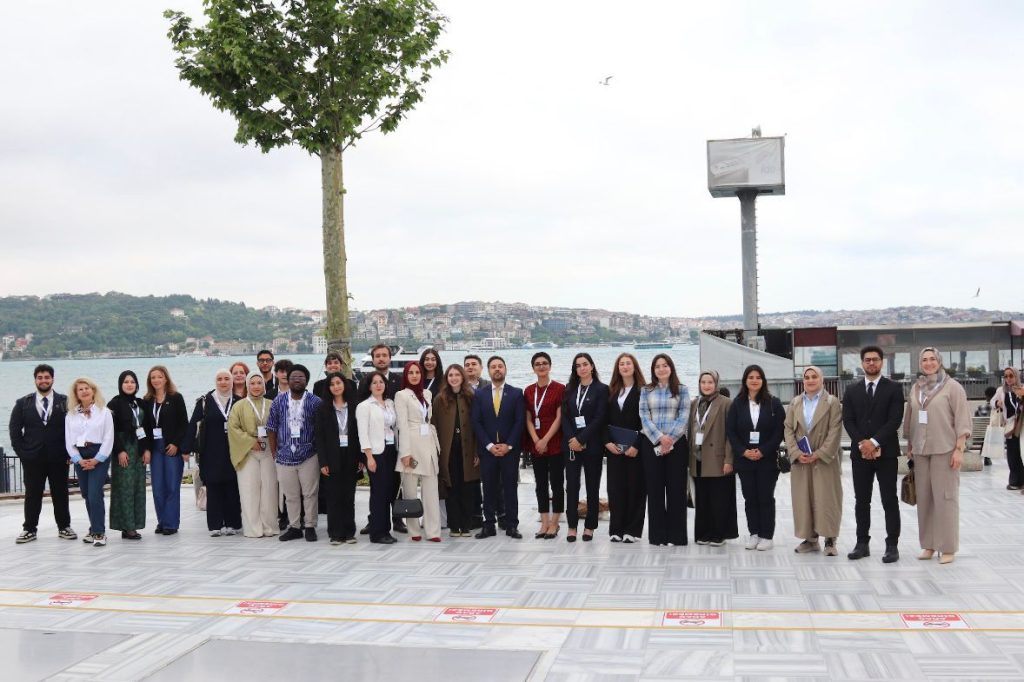
On 24 May, participants had the opportunity to take part in Walk for Change, an outdoor activity that encouraged further reflection, networking, and cultural exchange in the unique setting of Istanbul.
The Global Youth Summit for Sustainability 2026 emphasized the critical role of young people as agents of change and demonstrated the value of partnerships among youth organizations, academia, international institutions, and civil society in addressing complex global challenges. By creating spaces for dialogue, capacity-building, and collective action, the summit contributed to strengthening youth engagement in the implementation of the 2030 Agenda for Sustainable Development.
The themes explored throughout the summit reflected the broader objectives of sustainable development, with a strong emphasis on lifelong learning, knowledge exchange, climate awareness, inclusive participation, intergenerational dialogue, and multi-stakeholder cooperation in advancing sustainability.
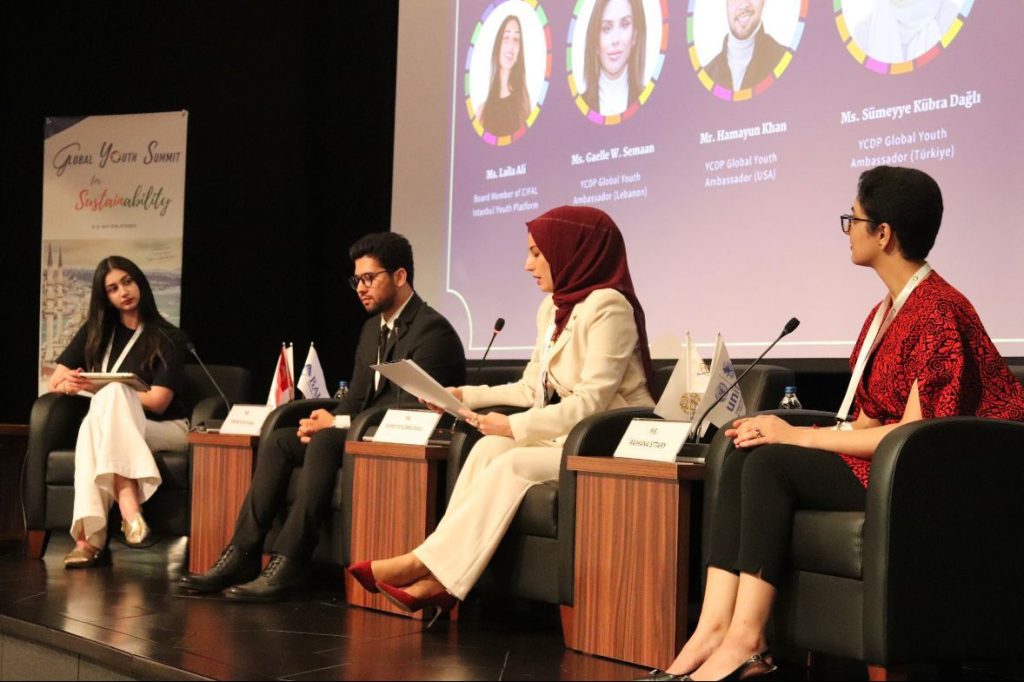
As the international community moves towards COP31, initiatives such as the Global Youth Summit for Sustainability continue to demonstrate that empowering young people with the knowledge, networks, and opportunities to participate meaningfully in decision-making processes is essential for building a more sustainable, inclusive, and resilient future.
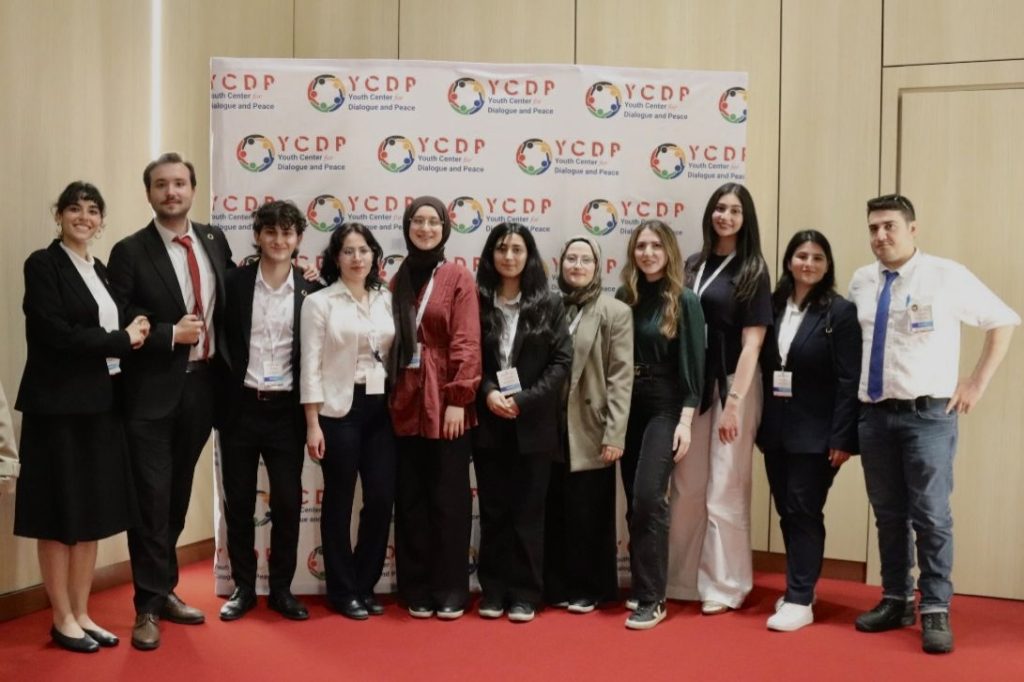
22 May 2026, Istanbul, Türkiye – In the lead-up to COP31, which Türkiye will host in Antalya in 2026, Youth Center for Dialogue and Peace, CIFAL Istanbul, UNITAR and Bahçeşehir University convened a session titled “Youth Leadership in Climate Action: From Advocacy to Impact” at Bahçeşehir University. Held within the framework of the Global Youth Summit for Sustainability 2026, the event brought together students, young climate advocates, academics, and United Nations representatives to explore the critical role of youth in shaping sustainable and climate-resilient societies.
The session centred on three interconnected objectives: strengthening youth participation in climate action, advancing dialogue on global climate processes, and examining how young people can meaningfully contribute to policy design and implementation.
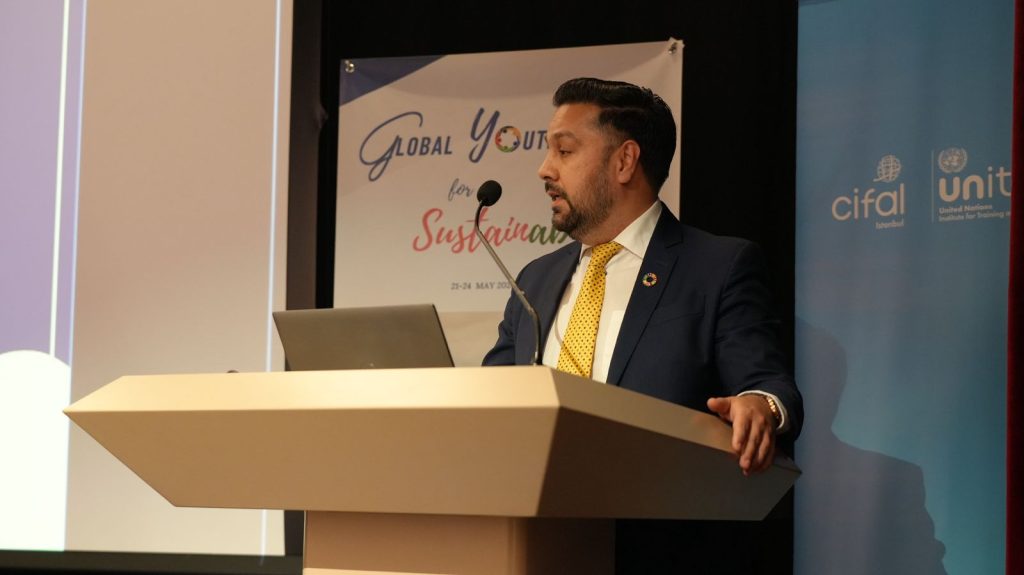
The event started with brief opening remarks from Yama Sukhanyar, Executive Director of the Youth Center for Dialogue and Peace, who emphasized the significance of the conference as a platform for strengthening youth engagement in addressing global challenges. In his remarks, Sukhanyar underlined the vital role of young people in fostering dialogue, promoting peace, and contributing to collective solutions for the pressing issues facing the international community.
The event continued with an address by Dr. Babatunde Ahonsi, United Nations Resident Coordinator in Türkiye, who drew attention to the compounding pressures facing younger generations. Characterising the current moment as one of intertwined crises, he highlighted how climate change, biodiversity loss, inequality, rapid urbanisation, and technological transformation are reshaping daily life, cities, livelihoods, and future prospects in ways that are immediate rather than abstract. Dr. Ahonsi stressed that climate action must be understood not only as an environmental matter but as a question of development and justice, and that young people must be active co-designers of solutions rather than passive consultants.
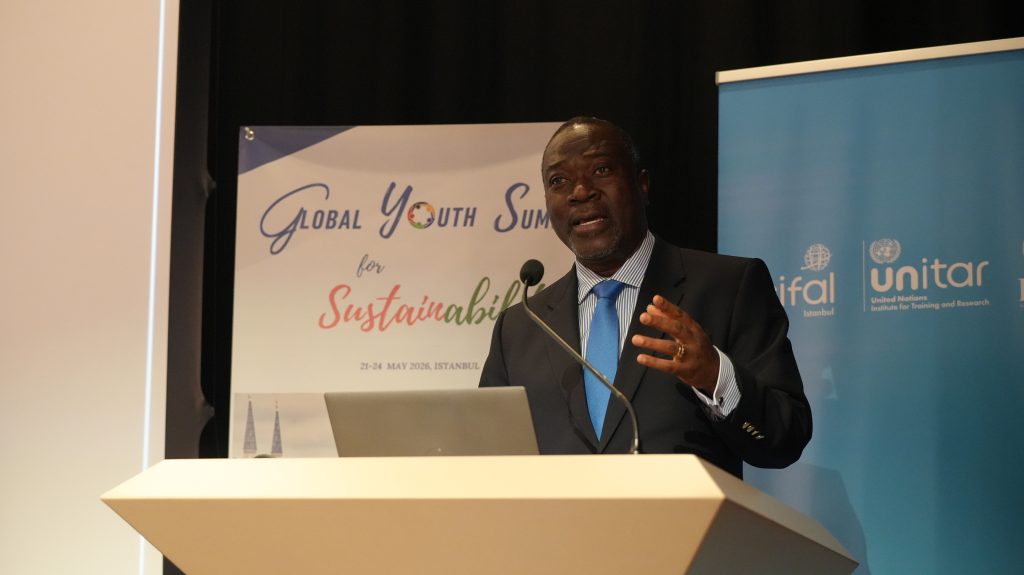
He also pointed to the growing body of evidence of youth-led innovation worldwide, citing examples of young people developing climate applications, mapping flood risks, and deploying digital tools to hold decision-makers accountable. With COP31 on the horizon, Dr. Ahonsi underlined that the significance of the moment lies not only in international negotiations, but in whether real transformation can be accelerated at the national and local level, across energy systems, cities, food systems, and disaster resilience.
Welcoming the participants on behalf of Bahçeşehir University, Rector Prof. Esra Hatipoğlu took the stage and highlighted the university’s engagement with the United Nations system, as well as its commitment to international cooperation and sustainability. Noting that Bahçeşehir University serves as the host institution of CIFAL Istanbul, affiliated with UNITAR, Prof. Hatipoğlu emphasized the university’s ongoing efforts to advance the Sustainable Development Goals through education, partnerships, and initiatives such as this conference.
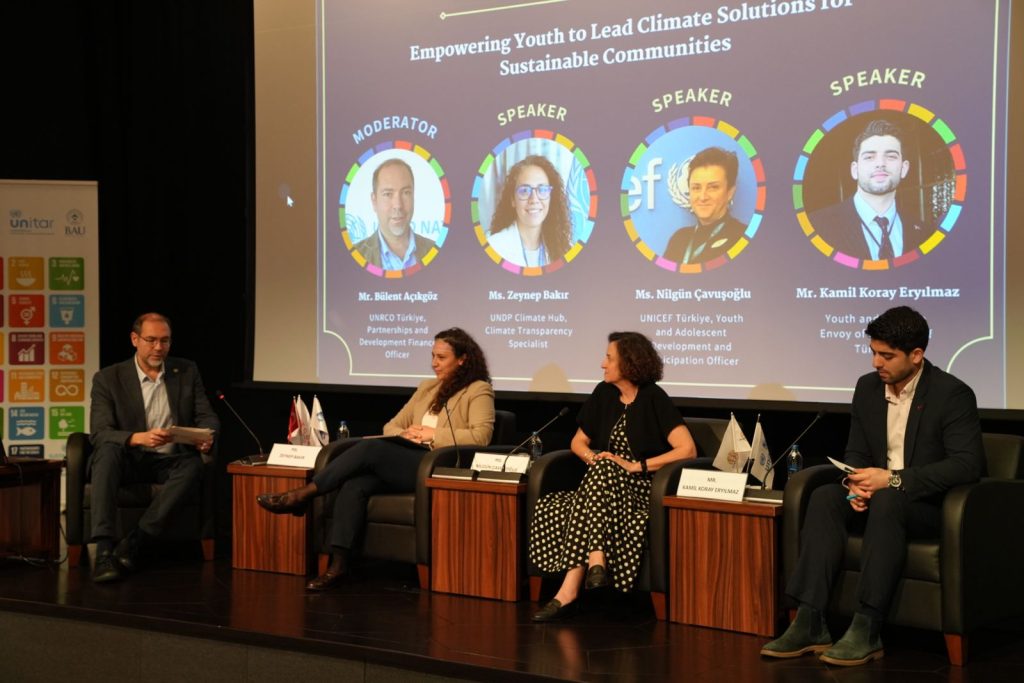
After the keynote speeches, a panel discussion, moderated by Bülent Açıkgöz from UNRCO Türkiye, brought together practitioners working across climate transparency, youth engagement, and sustainability. Mr. Açıkgöz kicked-off the conversation by emphasising that climate action is not a standalone agenda but is deeply connected to all of the Sustainable Development Goals, and that intergenerational justice sits at the heart of climate governance given that today’s decisions will shape the rights, opportunities, and wellbeing of future generations.
Zeynep Bakır from UNDP Climate Hub addressed the scale and urgency of the global climate crisis and outlined how international frameworks such as the COP process and the Climate Promise initiative are supporting countries in developing more ambitious Nationally Determined Contributions and long-term climate strategies. The discussion underscored the importance of translating global commitments into country-led, locally grounded climate action. Nilgün Çavuşoğlu from UNICEF Türkiye highlighted the importance of inclusivity and meaningful participation, particularly for young people from vulnerable and disadvantaged communities, affirming that intergenerational equity is a foundational principle of climate governance and that youth-led initiatives offer vital platforms for innovation, awareness-raising, and accountability. Kamil Koray Eryılmaz, Youth and Climate Envoy of Republic of Türkiye, focused on the bridging role of youth leadership across advocacy, academia, and policy implementation, calling for structured youth participation in the lead-up to COP31 where young people do not merely have a voice but actively shape climate policies and outcomes.
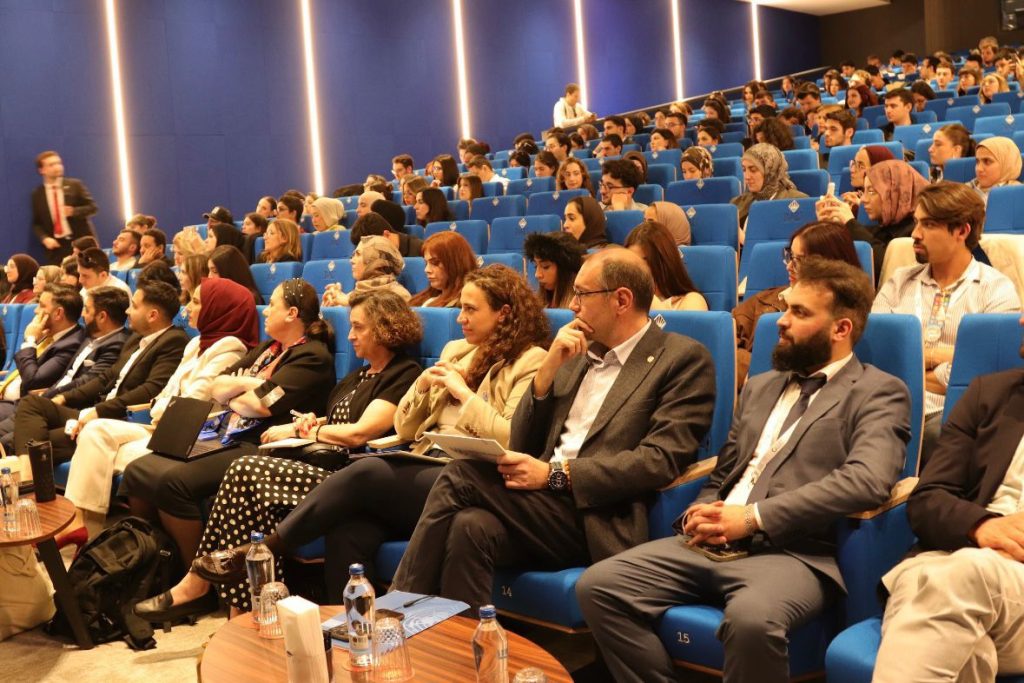
The event reaffirms the importance of climate action by placing youth agency and structured participation at the centre of global and national climate governance. Through its emphasis on inclusive and intergenerational policy processes, it also highlights the need for peaceful, just, and accountable institutions. Furthermore, the event reflects the broader value of partnerships by demonstrating how the United Nations system, academia, and youth actors can align around shared sustainability commitments in the critical run-up to COP31.
6 February 2025, Malatya, Türkiye – In the second anniversary of the devastating February 6 Earthquakes, CIFAL Istanbul, in collaboration with the Bright Futures Foundation, and with the support of Bahçeşehir University and UNITAR, carried out a four-day impactful field visit to Malatya, one of the most affected regions. Between February 3rd and 6th, the CIFAL Istanbul team visited schools and temporary accommodation centers to support the educational and emotional recovery of children affected by the disaster.
Throughout the visit, a wide array of hands-on workshops and interactive activities were conducted to empower children through science, environmental awareness, and creativity. At Beydağı Temporary Accommodation Center, the team spent quality time with Syrian children affected by the earthquake, painting, talking, and organizing art-based activities inside the container homes, offering moments of joy and connection.
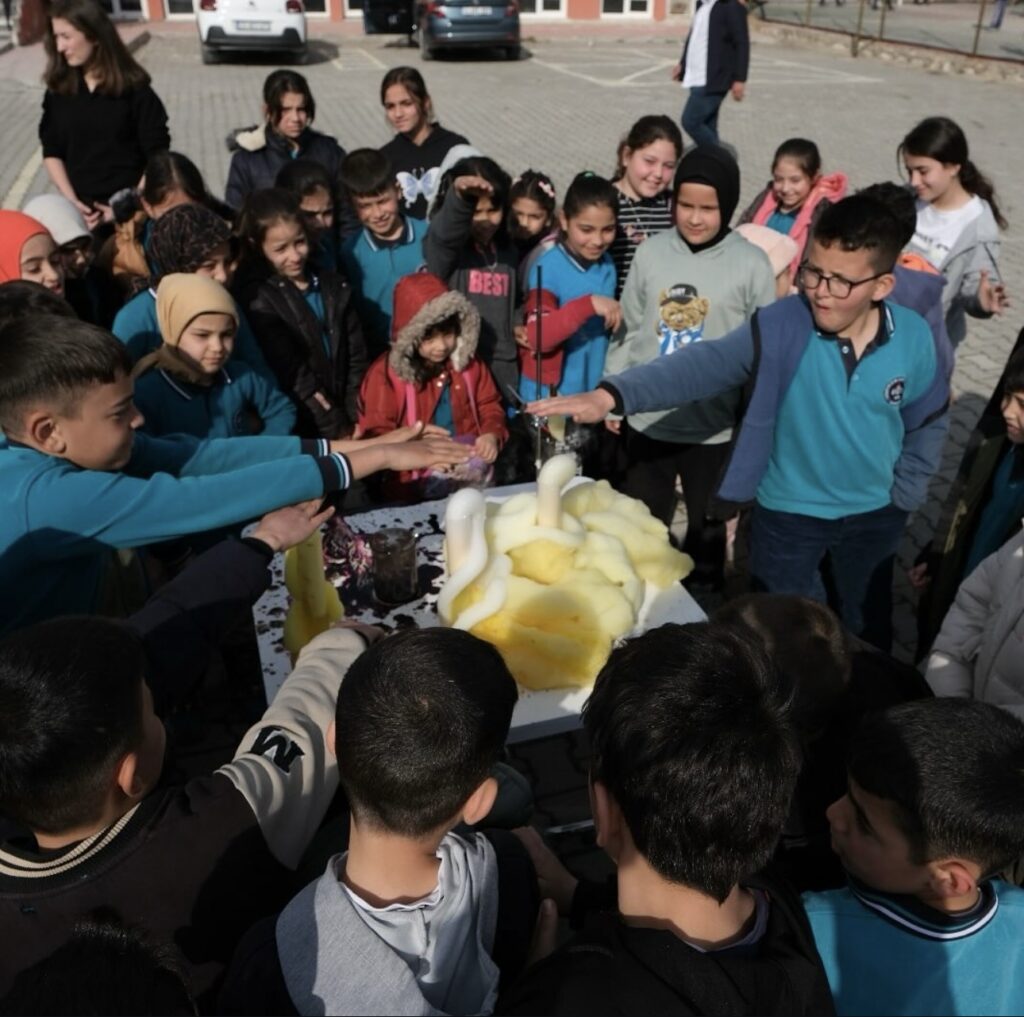
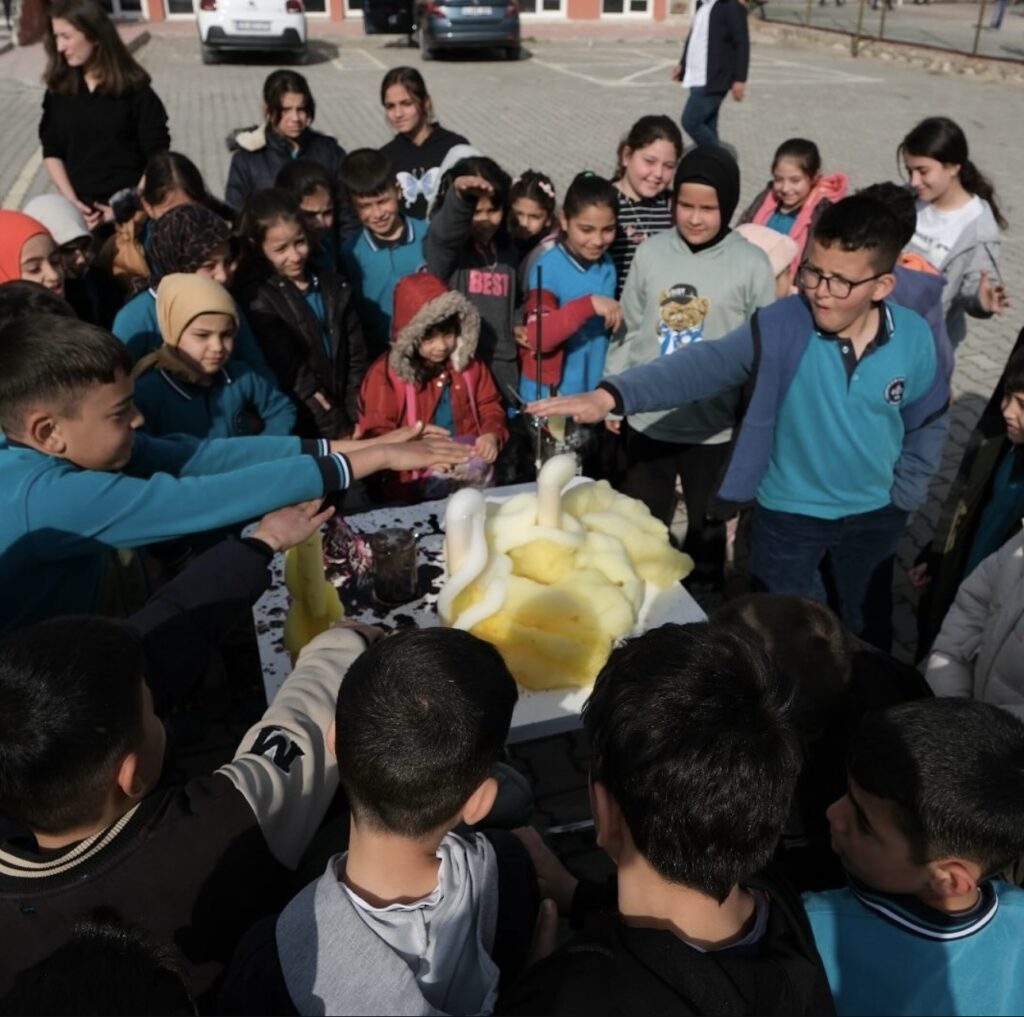
On 4 February, CIFAL Istanbul and Bright Futures Foundation, in collaboration with the BilimSenOl Platform, visited Yenice Secondary School in Darende and hosted science workshops introducing children to basic chemistry through natural hand-sanitizer experiments made from essential oils and vinegar. These workshops not only fostered creativity but also demonstrated the practical use of science in daily life, sparking hope and enthusiasm.
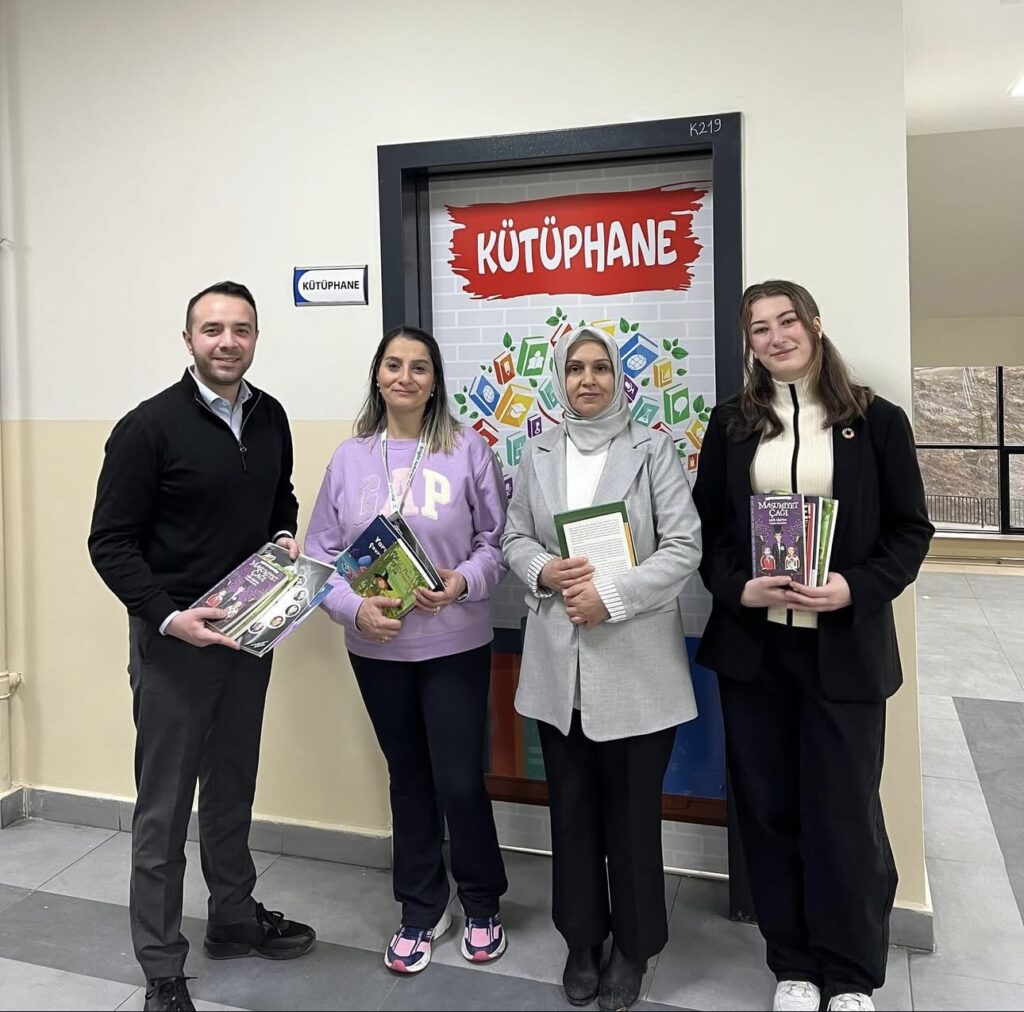
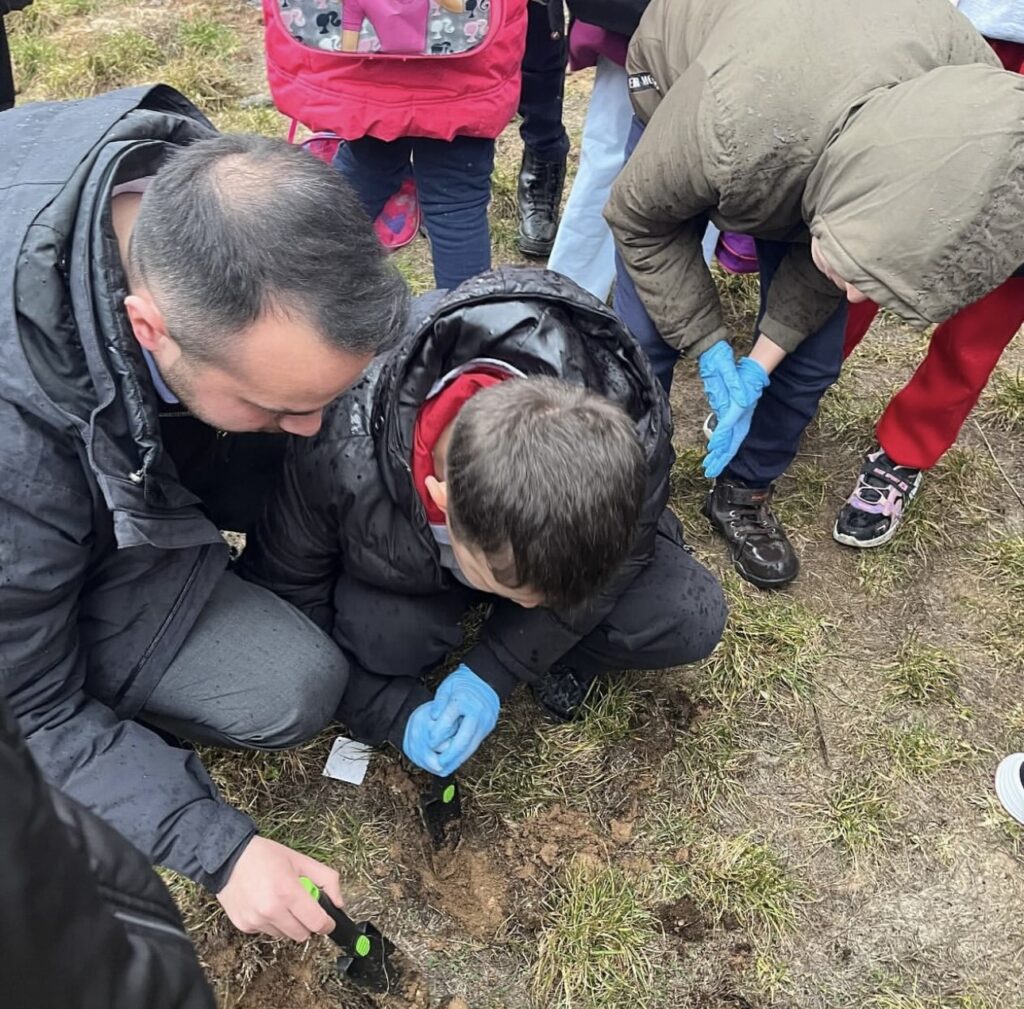
On 5 February, CIFAL Istanbul and Bright Futures Foundation visited Şehit Aytaç Altunörs Primary and Secondary School, where they carried out a multifaceted day of support. With the partnership of Bahçeşehir University, books were donated to help enrich the school’s library—offering children expanded access to learning resources, imagination, and healing. On the same day, a Seed Ball Workshop was organized using recycled newspaper, flower seeds, soil, and cinnamon powder. Following this, students planted saplings in the schoolyard, strengthening their bond with the environment and learning about biodiversity, waste reduction, and eco-friendly production methods. These activities reinforced SDG 4: Quality Education and SDG 15: Life on Land by promoting both academic growth and sustainability awareness.
The event series also included team games, sustainability-themed discussions, and meaningful conversations with students and teachers about the road ahead. These collective experiences emphasized the importance of unity, empathy, and shared responsibility in recovery and rebuilding processes.
“The solidarity shown in the face of the February 6 Earthquakes reminds us that building a better future begins with unity, empathy, and shared action—first at the individual level, and then globally.”
CIFAL Istanbul extends its heartfelt thanks to all participants, educators, students, and especially to the Bright Futures Foundation, Bahçeşehir University, and UNITAR for their unwavering support. These efforts underline CIFAL Istanbul’s continued commitment to promoting sustainable development and empowering children through education, creativity, and compassion.
This field visit reflected CIFAL Istanbul’s belief in building hope through education, sustainability, and solidarity—planting the seeds of a stronger future, one child at a time.
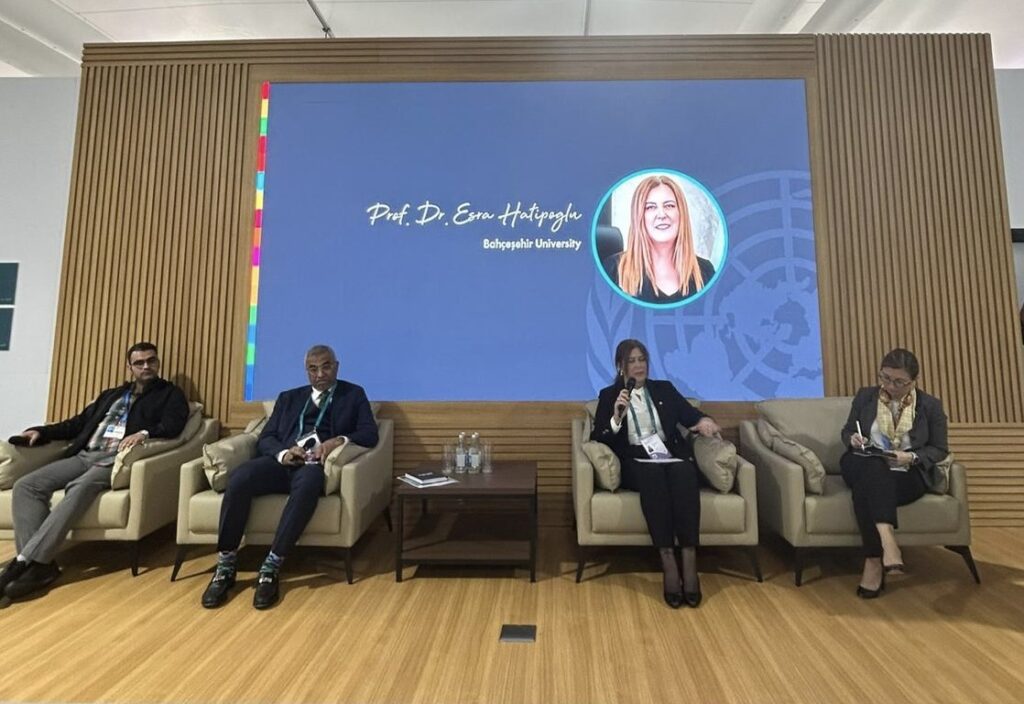
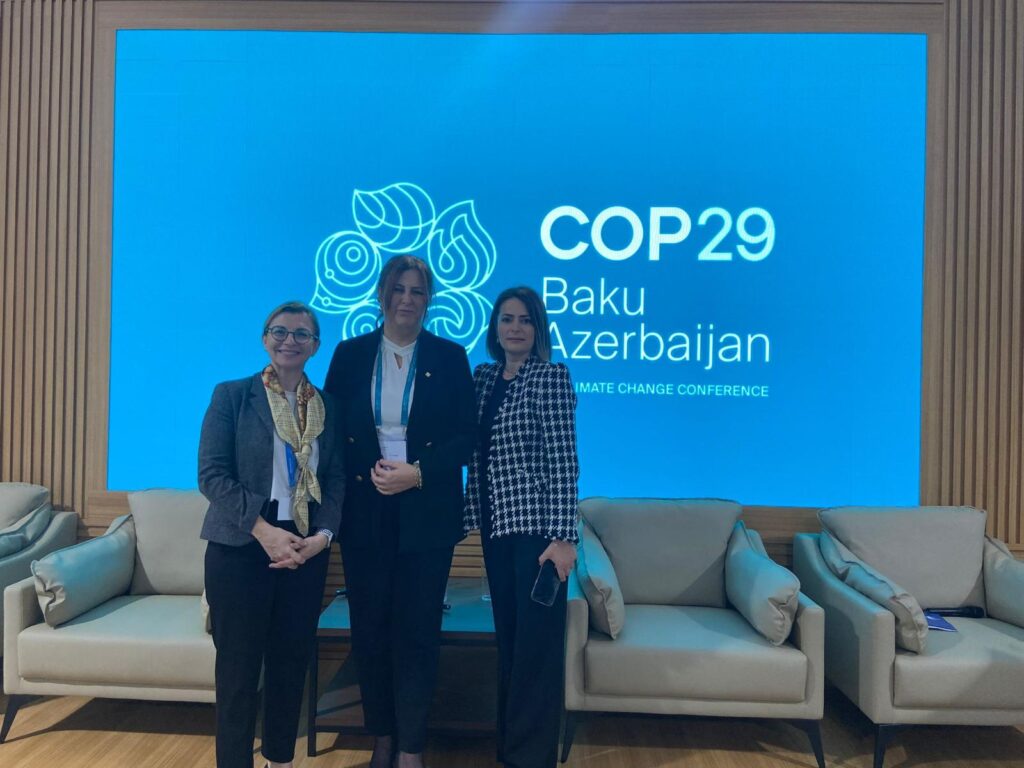
11 November 2024, Baku, Azerbaijan – CIFAL Istanbul participated in the COP29 UN Climate Change Conference in collaboration with UNITAR, Bahçeşehir University, CIFAL Istanbul and CIFAL City of London. The event featured a key session on “The Role of Higher Education in Addressing Climate Change: Leadership, Innovation, and Impact,” bringing together academic leaders, policymakers, and sustainability experts to discuss the role of universities in tackling climate change.
The session explored best practices for integrating climate change education into academic programs and training the next generation of leaders in sustainability and environmental stewardship. The discussions emphasized how higher education institutions (HEIs) can contribute to climate action through research, innovation, and policy engagement.
Among the distinguished attendees were Prof. Dr. Esra Hatipoğlu, Rector of Bahçeşehir University, and Cisil Sohodol, Director of CIFAL Istanbul, who highlighted the crucial role of education in addressing global environmental challenges. The session was moderated by Dr. Ebru Canan Sokullu, former Director of CIFAL Istanbul and current Associate Director at CIFAL Global Network, UNITAR.
During the panel discussions, experts underscored the importance of universities serving as key drivers of climate solutions, fostering interdisciplinary collaboration, and equipping students with the necessary skills to contribute to a sustainable future. The session also reinforced the importance of international academic partnerships in advancing climate resilience strategies.
As climate change continues to present unprecedented challenges, CIFAL Istanbul remains committed to empowering youth, fostering innovative approaches, and strengthening global networks to create a more sustainable world.
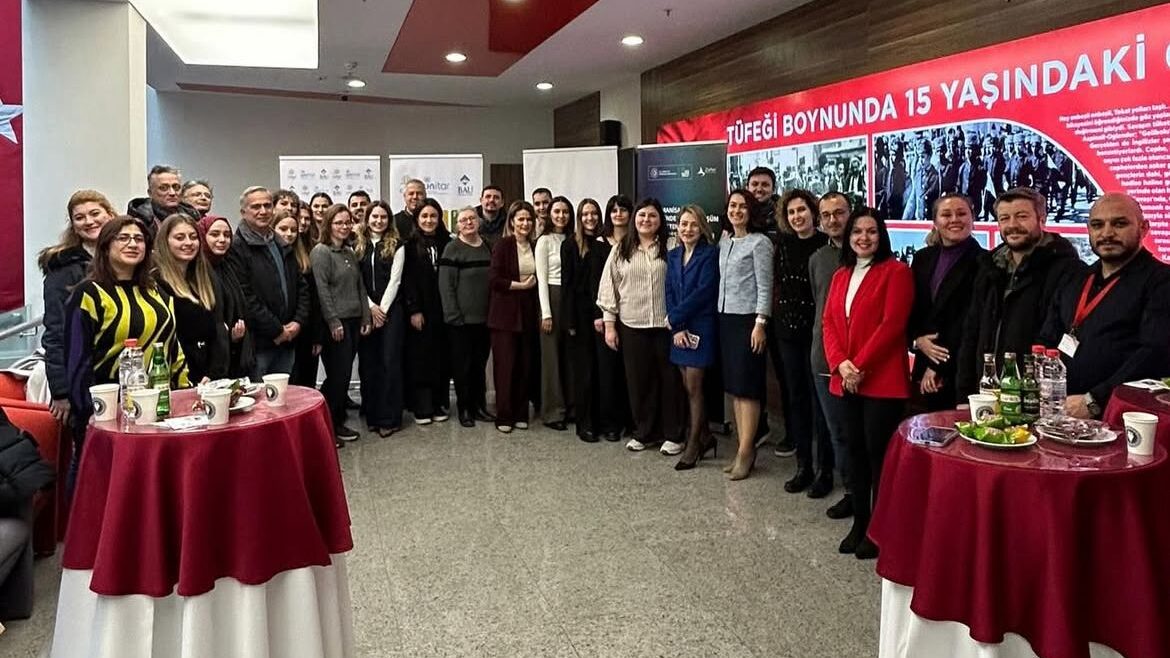
12 February 2025, Manisa, Türkiye – CIFAL Istanbul was at the launch of SMEs’ Sustainability Transformations In Partnership with the Zafer Development Agency and TÜBİTAK which lasted for 90 Haours in total starting from 12th of February to 29th of February which took place in Manisa, Türkiye.
On February 12, CIFAL Istanbul, UNITAR, Bahçeşehir University, TÜBİTAK MAM, Zafer Development Agency, and Celal Bayar University officially launched the Training and Consultancy Program for the Sustainability Transformation of Small and Medium-Sized Enterprises (SMEs). This innovative program aims to guide SMEs through the journey of adopting sustainable practices to combat climate change and ensure a resilient future.
The event began with an inspiring opening address by Prof. Çisil Sohodol, Director of CIFAL Istanbul, who highlighted the urgency of addressing climate change and the critical role sustainability plays in shaping the economy. She emphasized that sustainability is a shared responsibility that requires immediate action.
Following the opening, Asst. Prof. Nilüfer Geysi, CIFAL Istanbul Coordinator, led the first training session. This interactive six-hour session engaged participants in deep discussions about the importance of sustainability, green transformation, and the influence of Environmental, Social, and Governance (ESG) criteria on modern business practices. The session set the tone for the ongoing journey towards creating a greener, more sustainable future for SMEs.
This program represents a powerful step forward in equipping businesses with the knowledge and tools necessary to adapt to sustainability challenges. CIFAL Istanbul and its partners are committed to helping SMEs thrive in a rapidly changing world, fostering long-term positive impact on the environment and the economy.
Türkiye’s leading Civil Society Organizations made an important call for the United Nations Framework Convention on Climate Change COP 29 to be held in Azerbaijan on November 11-22, hosted by Bahçeşehir University and CIFAL Istanbul, UNITAR.
Strategic Assessments Ahead of COP29
In October, civil society organizations, experts and academics came together for at Towards COP29: Civil Society Evaluates round table meeting to discuss COP29 priorities at a meeting hosted by Bahçeşehir University and CIFAL Istanbul, UNITAR. The meeting emphasized the view that Türkiye’s climate goals can be achieved through an inclusive and transparent approach, and by valuing different perspectives. The common responsibility in the fight against the climate crisis was underlined.
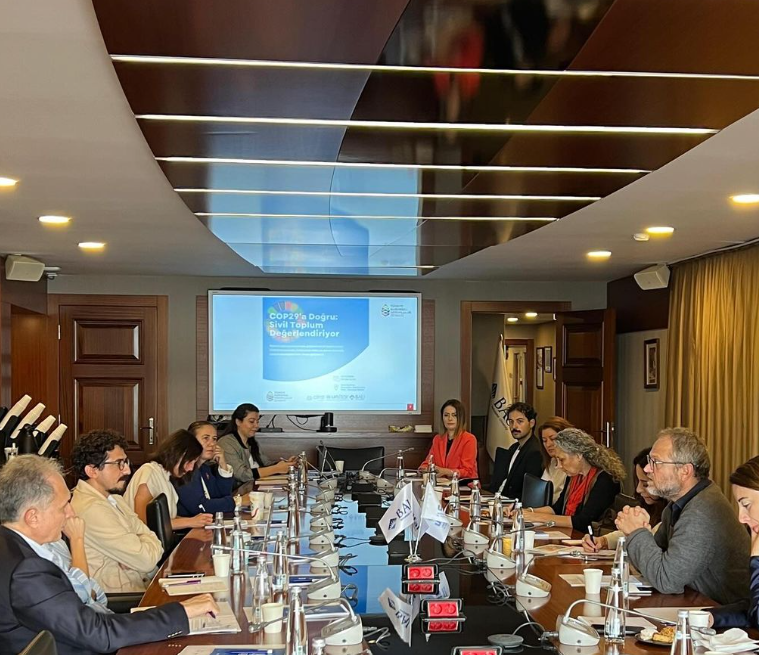
At the meeting, Özlem Katısöz, Climate and Energy Policy Coordinator of the European Climate and Action Network, and Barış Doğru, Editor-in-Chief of EkoIQ, presented a comprehensive analysis of Türkiye’s climate policies after COP28. It was stated that a more realistic and achievable roadmap for the gradual reduction of fossil fuels is needed to realize Türkiye’s goal of becoming carbon neutral by 2053.
It was stated that a more realistic and achievable roadmap for the gradual reduction of fossil fuels is needed to realize Türkiye’s goal of becoming carbon neutral by 2053. It was also stated that Türkiye is at an important point in terms of renewable energy capacity and investments.
It was proposed to strengthen cooperation to achieve climate goals and to establish platforms that will ensure continuous dialogue and information sharing with the participation of civil society organizations, academia and the private sector.