
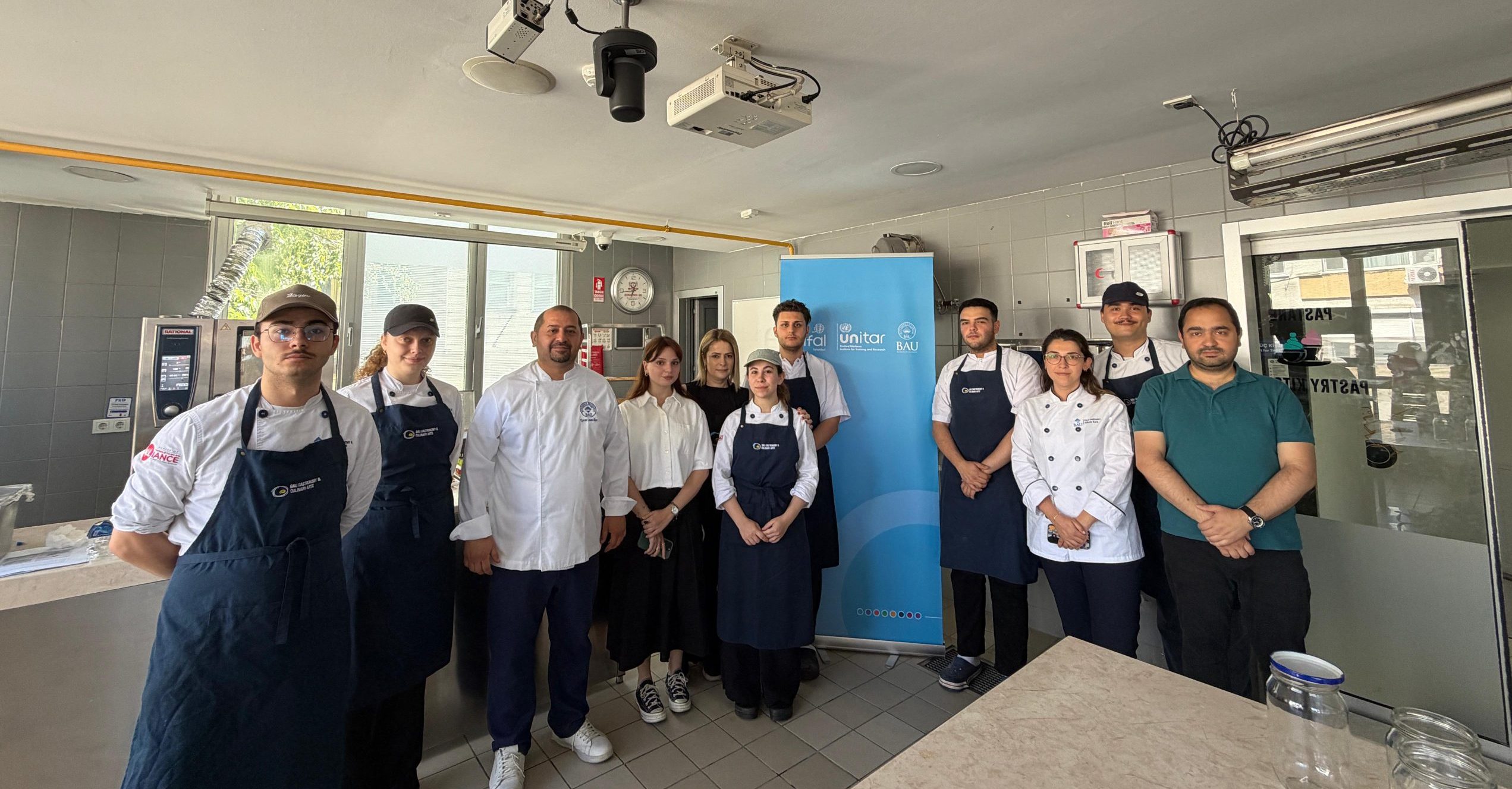
3 June 2026, Istanbul, Türkiye – Held at Bahçeşehir University as part of Istanbul Zero Waste Week, the workshop transformed a wide range of ingredients commonly discarded in kitchens—from fruit and vegetable peels to seeds, stale bread, and coffee grounds—into creative recipes and sustainable culinary products.
The “Zero-Waste Recipes Workshop” was held on 3 June 2026 at the kitchen of the Bahçeşehir University Department of Gastronomy and Culinary Arts as part of Istanbul Zero Waste Week, an initiative implemented under the auspices of the Zero Waste Foundation and the Governorship of Istanbul.
Organized in collaboration with CIFAL Istanbul, UNITAR and Bahçeşehir University, with the contributions of the BAU Department of Gastronomy and Culinary Arts, the workshop brought together practical methods for preventing food waste with the creative potential of gastronomy.
Food Scraps Became Essential Ingredients in New Recipes
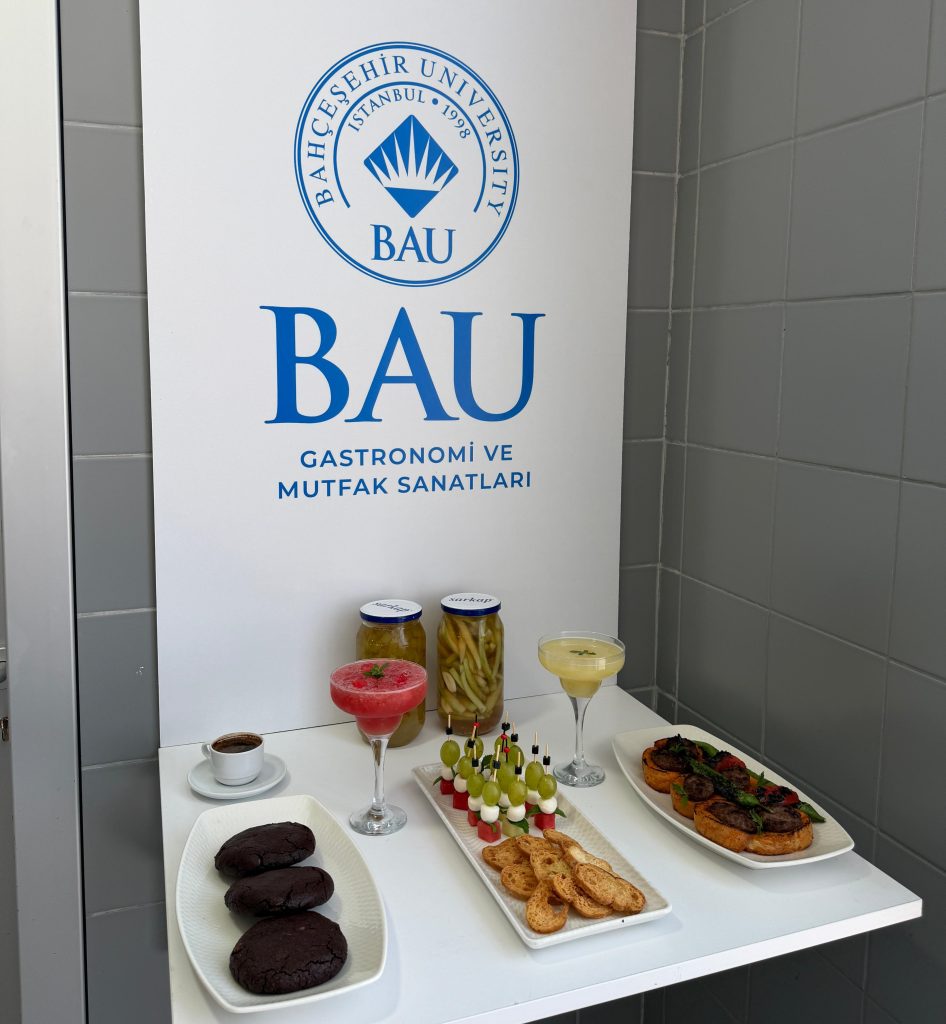
Throughout the workshop, food components that are often discarded during preparation were repurposed through a range of creative culinary techniques. Onion and garlic skins were dried, ground into powder, and incorporated into the spice mixture prepared for Islama Köfte, enhancing the dish’s aroma and flavour. Stock made from meat and bones was used to flavour and toast stale bread, while another portion of the bread was transformed into crostini.
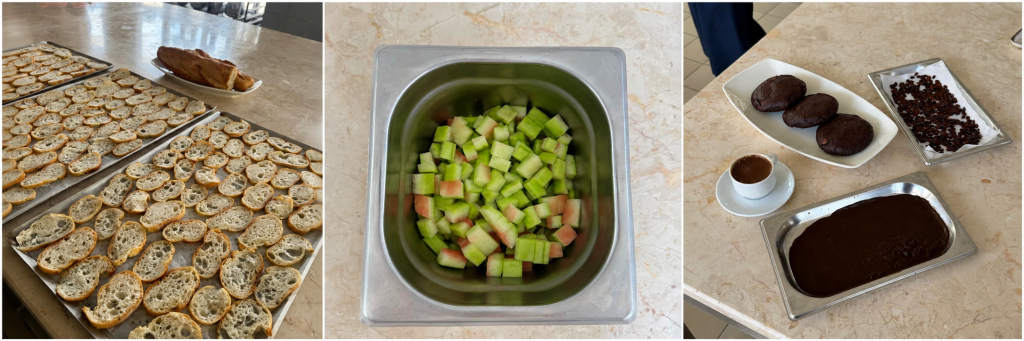
Melon seeds were used to prepare sübye, a traditional beverage rooted in Ottoman culinary culture, bringing together culinary heritage and contemporary sustainability practices. Watermelon and melon were also utilized comprehensively: their edible parts were combined with cheese to create canapés, while watermelon was used to prepare a refreshing frozen beverage.
The white part of the watermelon rind was processed into pickles and jam, demonstrating how parts commonly regarded as waste can be preserved and transformed into new products. Watermelon seeds were dried, ground into flour, and incorporated into coffee-flavoured cookies. Similarly, the grounds remaining after the preparation of Turkish coffee were processed for use as an alternative ingredient in baked goods.
Together, these practices demonstrated how peels, seeds, stale bread, bones, and other food remnants can be returned to the culinary production cycle rather than discarded. By combining traditional knowledge with innovative techniques, the workshop offered practical examples of how food waste can be reduced while creating new flavours, textures, and products.
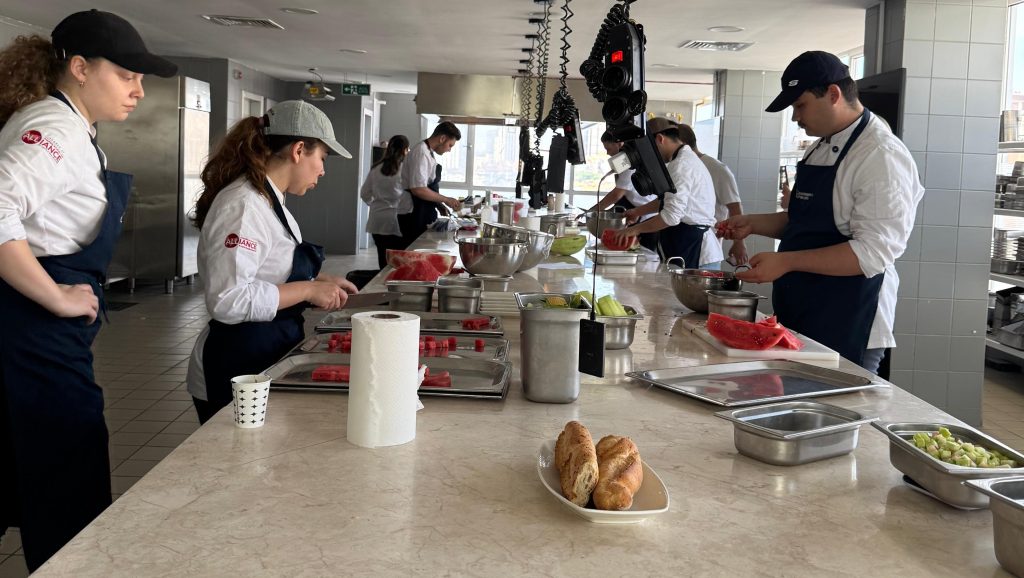
The Zero-Waste Approach Extended Beyond the Recipes
The workshop was not limited to developing new recipes. Every stage of food preparation was addressed through a comprehensive perspective focused on the efficient use of resources and the minimization of potential waste.
Watermelon and melon peels remaining from the preparation process were separated for composting rather than being sent directly to waste disposal. The organic materials were allocated for use in the cultivation of fruit, vegetables, and aromatic plants in the garden of the BAU Department of Gastronomy and Culinary Arts.
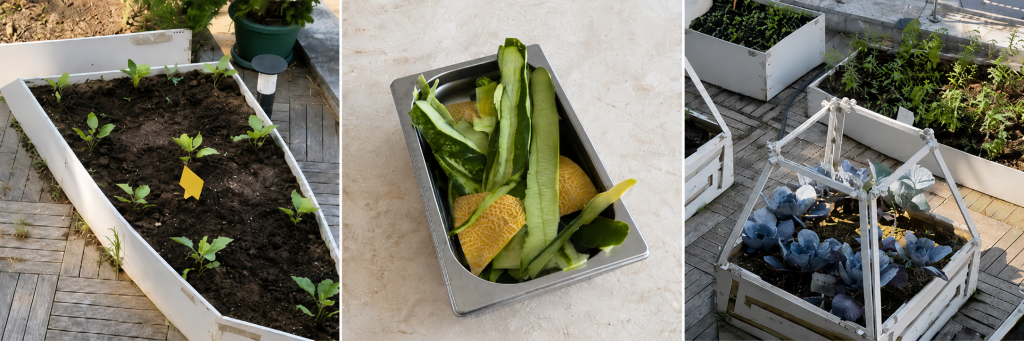
The department’s garden enabled the sustainability approach introduced during the workshop to extend beyond the boundaries of the kitchen. By converting organic kitchen scraps into compost and returning them to the soil, the workshop contributed to the completion of the cycle between food production and consumption.
In this respect, the garden stands out not only as an agricultural production area but also as a practical sustainability environment where students and participants can observe the journey of food from soil to table and from the table back to the soil. Through this model, the department’s garden functions as a living learning environment that brings together culinary education, ecological awareness, and sustainable production. The integration of kitchen practices with composting and cultivation also highlights the importance of designing food systems in which resources remain in circulation for as long as possible.
A Practical Culinary Model for Preventing Food Waste
The practices carried out during the workshop emphasized that preventing food waste is achievable not only in professional kitchens but also through methods that can be incorporated into daily household routines.
Participants experienced how careful planning, storage, transformation, and reuse techniques can increase the yield obtained from food products, enable familiar recipes to be reinterpreted with alternative ingredients, and significantly reduce the amount of organic waste generated in kitchens. Implemented with the academic and practical contributions of the BAU Department of Gastronomy and Culinary Arts, the workshop presented an exemplary gastronomic model in which no food component was regarded as functionless waste. Instead, each ingredient was kept within the production cycle through reuse, transformation, preservation, or composting.
Istanbul, Türkiye – 21 April 2025, In celebration of World Art Day, Bahçeşehir University’s Departments of International Trade and Business and Economics and Finance, in collaboration with CIFAL Istanbul, brought together students, academics, and creatives for an enriching event exploring the intersection between art and the Sustainable Development Goals (SDGs).
Participants visited the Mona Art Gallery, where Architect Sena Özgürcan guided attendees through a curated selection of artworks related to sustainability. The exhibition featured distinguished Turkish painters and sculptors whose pieces addressed themes such as ecological balance, urban transformation, and climate responsibility. Through open discussion, students and guests reflected on the connections between these works and various SDGs—particularly in terms of awareness, emotional engagement, and long-term impact. Among the highlights was Dear Sinan Balta’s watercolor series “Spring in Istanbul,” which provided a poetic and vivid interpretation of urban seasonality and local environmental heritage.
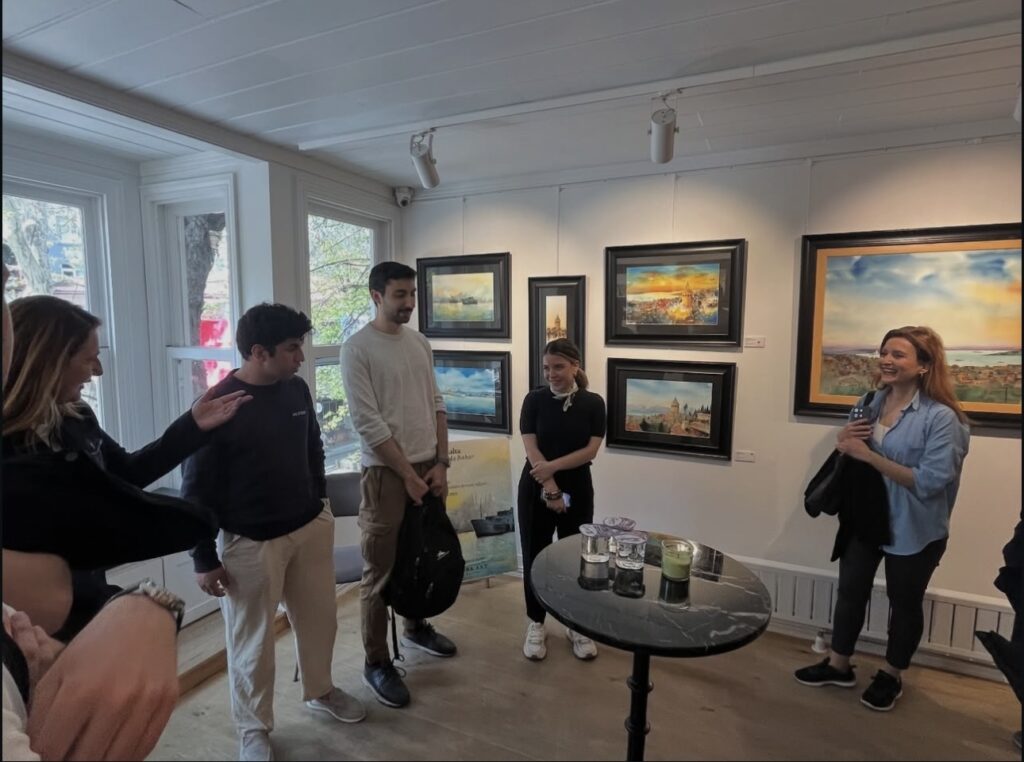
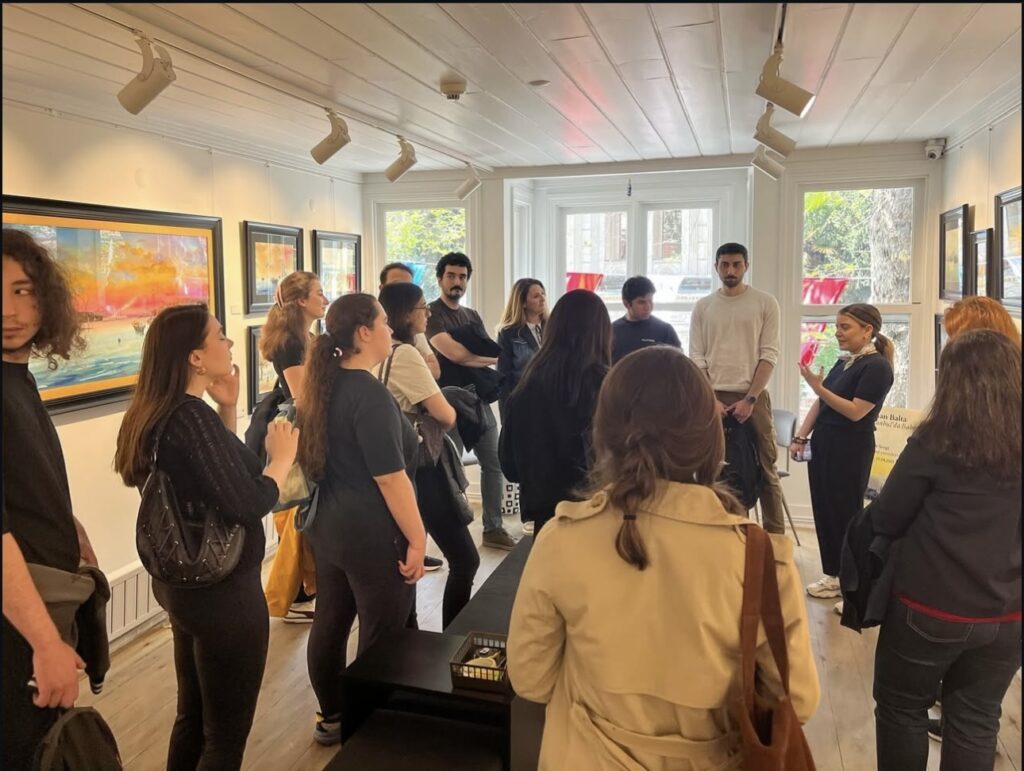
Finally, a dialogue between CIFAL Istanbul and Mona Art Gallery explored future collaborative opportunities to further integrate art into sustainability initiatives. The event reaffirmed the profound potential of creative disciplines not only to communicate complex global challenges, but also to mobilize communities, inspire action, and contribute meaningfully to achieving the Sustainable Development Goals.
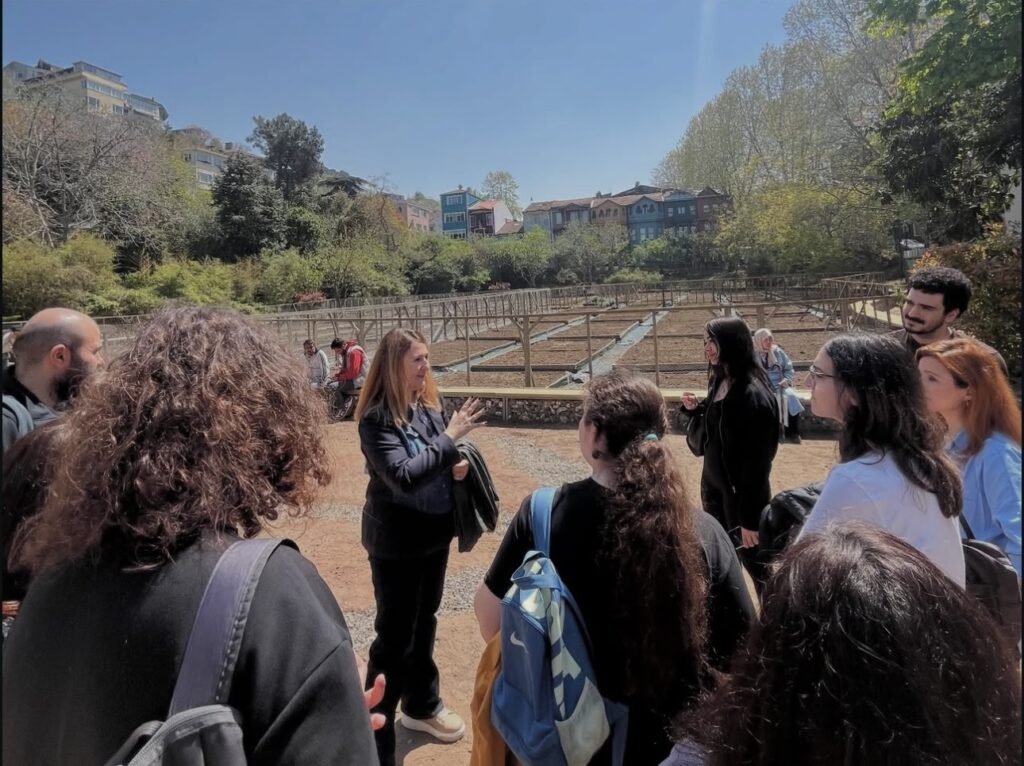
The program concluded with a field visit to Kuzguncuk Orchard, where Prof. Ahu Ergen, Head of the International Trade and Business Department, introduced students to an exemplary model of urban agriculture. Located in the heart of the city, this orchard allows citizens to engage directly with sustainable living practices, offering a tangible connection between local community empowerment and SDG 17: Partnerships for the Goals.
6 February 2025, Malatya, Türkiye – In the second anniversary of the devastating February 6 Earthquakes, CIFAL Istanbul, in collaboration with the Bright Futures Foundation, and with the support of Bahçeşehir University and UNITAR, carried out a four-day impactful field visit to Malatya, one of the most affected regions. Between February 3rd and 6th, the CIFAL Istanbul team visited schools and temporary accommodation centers to support the educational and emotional recovery of children affected by the disaster.
Throughout the visit, a wide array of hands-on workshops and interactive activities were conducted to empower children through science, environmental awareness, and creativity. At Beydağı Temporary Accommodation Center, the team spent quality time with Syrian children affected by the earthquake, painting, talking, and organizing art-based activities inside the container homes, offering moments of joy and connection.
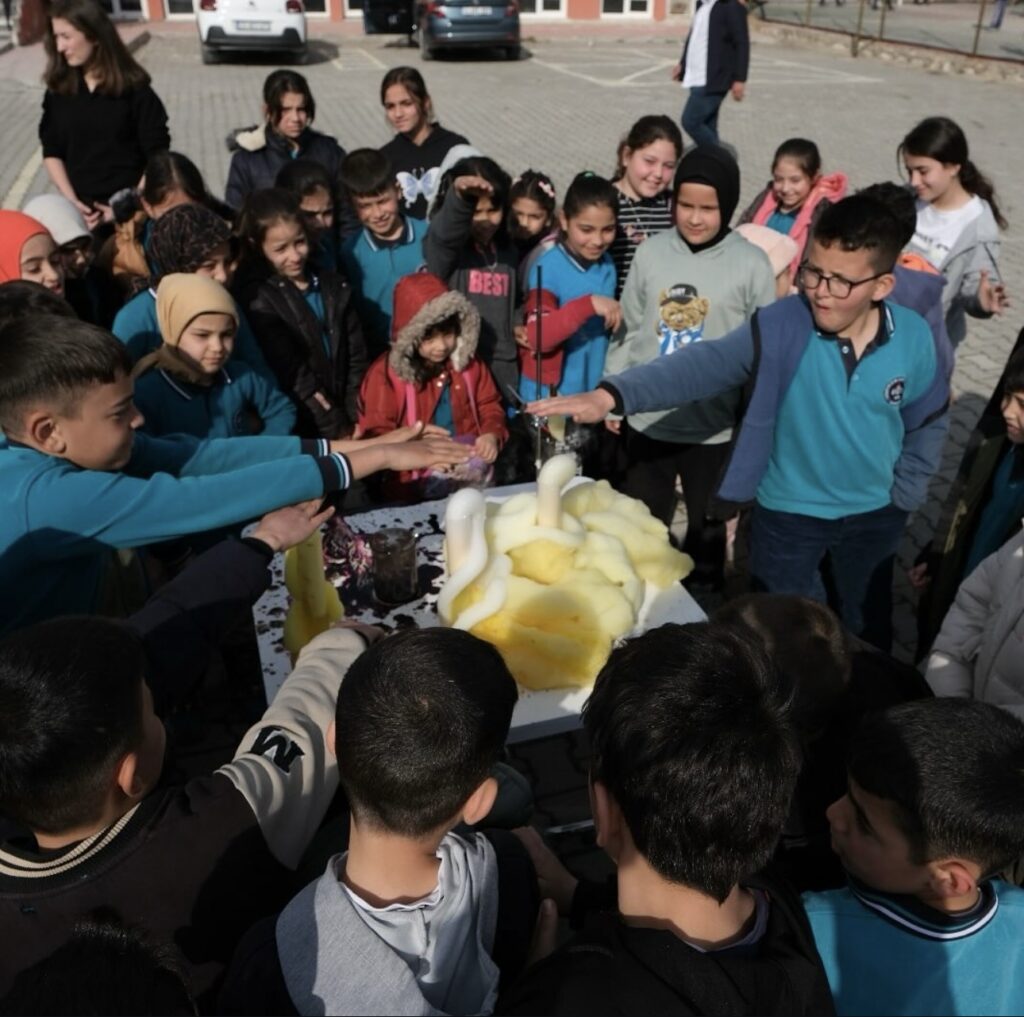
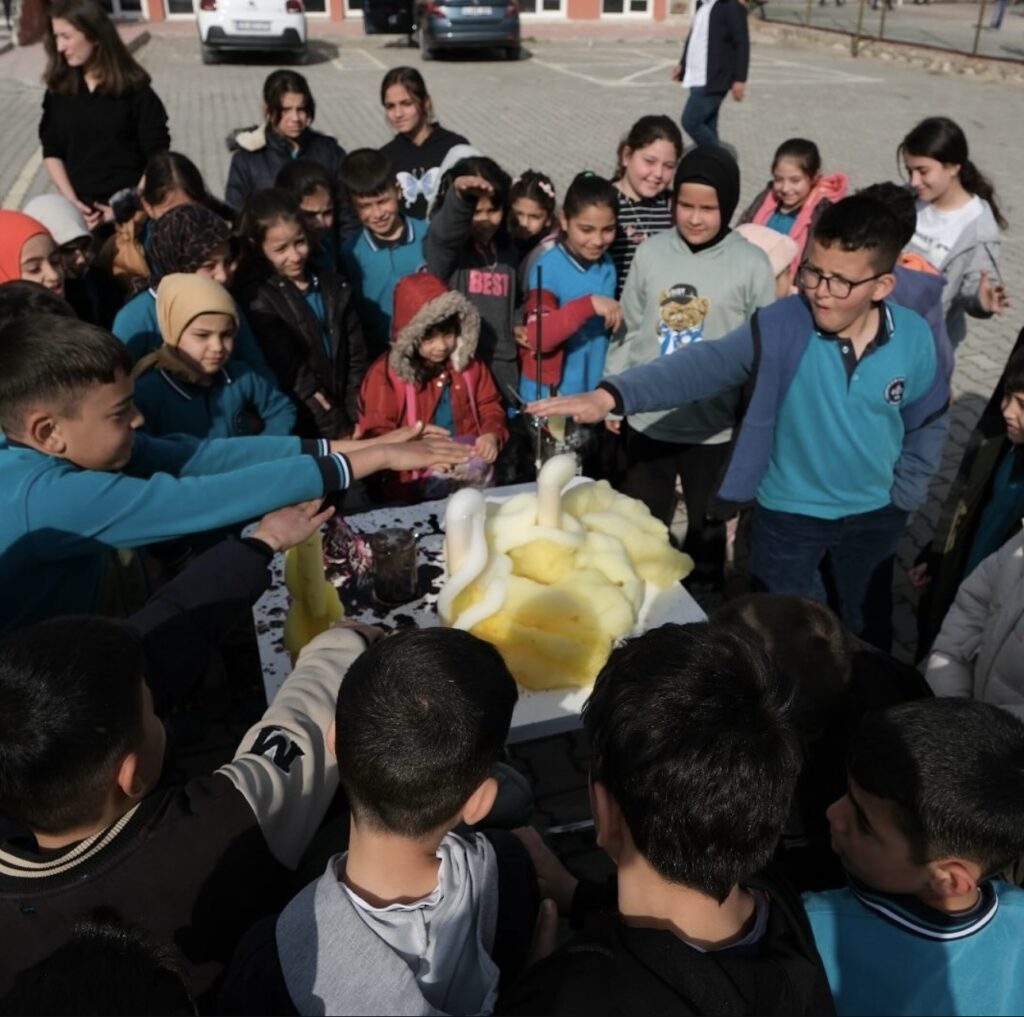
On 4 February, CIFAL Istanbul and Bright Futures Foundation, in collaboration with the BilimSenOl Platform, visited Yenice Secondary School in Darende and hosted science workshops introducing children to basic chemistry through natural hand-sanitizer experiments made from essential oils and vinegar. These workshops not only fostered creativity but also demonstrated the practical use of science in daily life, sparking hope and enthusiasm.
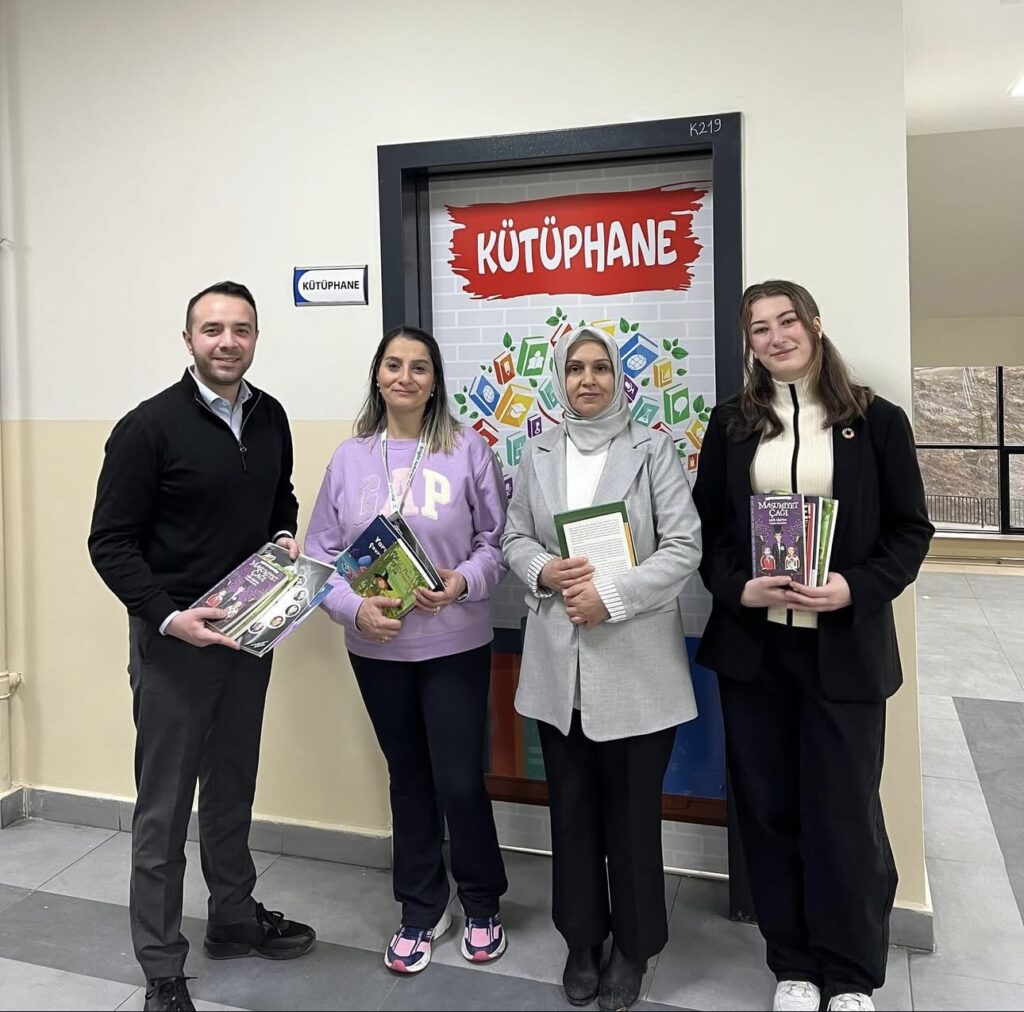
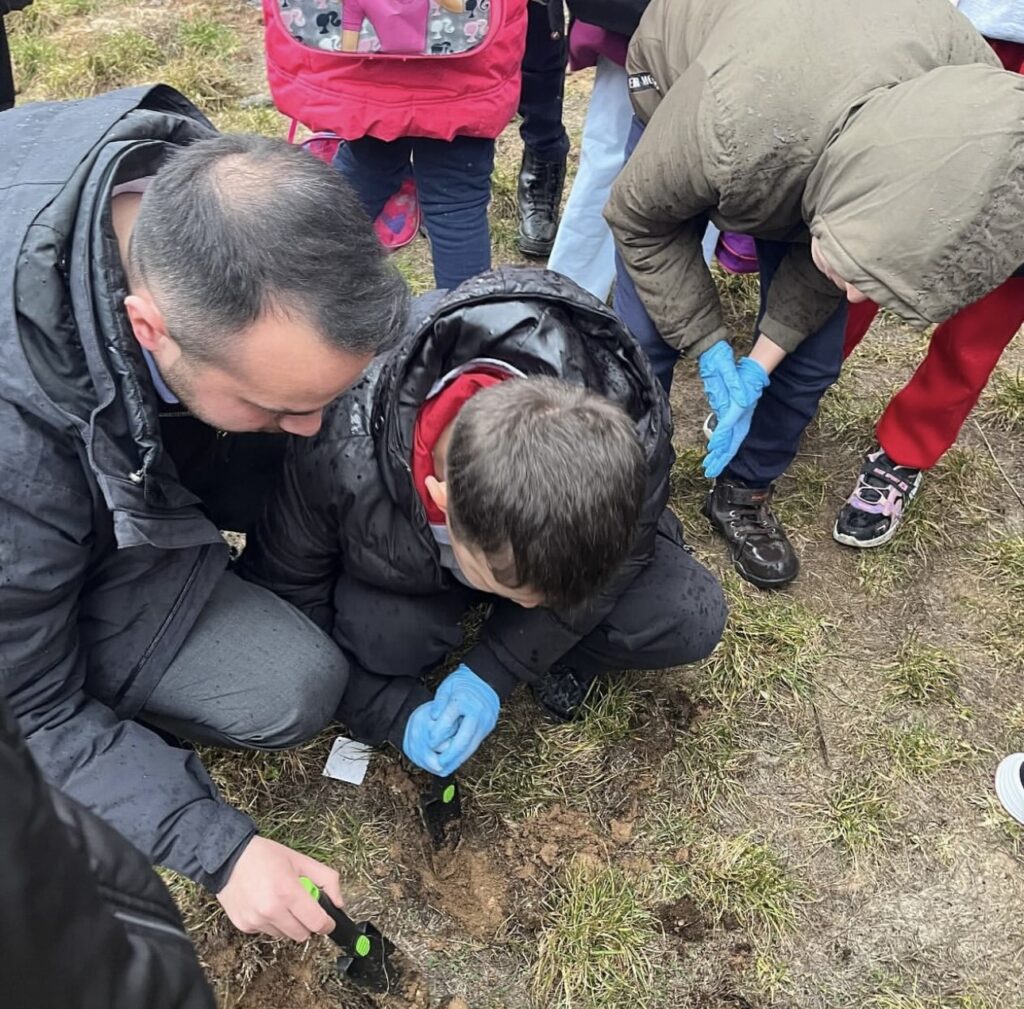
On 5 February, CIFAL Istanbul and Bright Futures Foundation visited Şehit Aytaç Altunörs Primary and Secondary School, where they carried out a multifaceted day of support. With the partnership of Bahçeşehir University, books were donated to help enrich the school’s library—offering children expanded access to learning resources, imagination, and healing. On the same day, a Seed Ball Workshop was organized using recycled newspaper, flower seeds, soil, and cinnamon powder. Following this, students planted saplings in the schoolyard, strengthening their bond with the environment and learning about biodiversity, waste reduction, and eco-friendly production methods. These activities reinforced SDG 4: Quality Education and SDG 15: Life on Land by promoting both academic growth and sustainability awareness.
The event series also included team games, sustainability-themed discussions, and meaningful conversations with students and teachers about the road ahead. These collective experiences emphasized the importance of unity, empathy, and shared responsibility in recovery and rebuilding processes.
“The solidarity shown in the face of the February 6 Earthquakes reminds us that building a better future begins with unity, empathy, and shared action—first at the individual level, and then globally.”
CIFAL Istanbul extends its heartfelt thanks to all participants, educators, students, and especially to the Bright Futures Foundation, Bahçeşehir University, and UNITAR for their unwavering support. These efforts underline CIFAL Istanbul’s continued commitment to promoting sustainable development and empowering children through education, creativity, and compassion.
This field visit reflected CIFAL Istanbul’s belief in building hope through education, sustainability, and solidarity—planting the seeds of a stronger future, one child at a time.
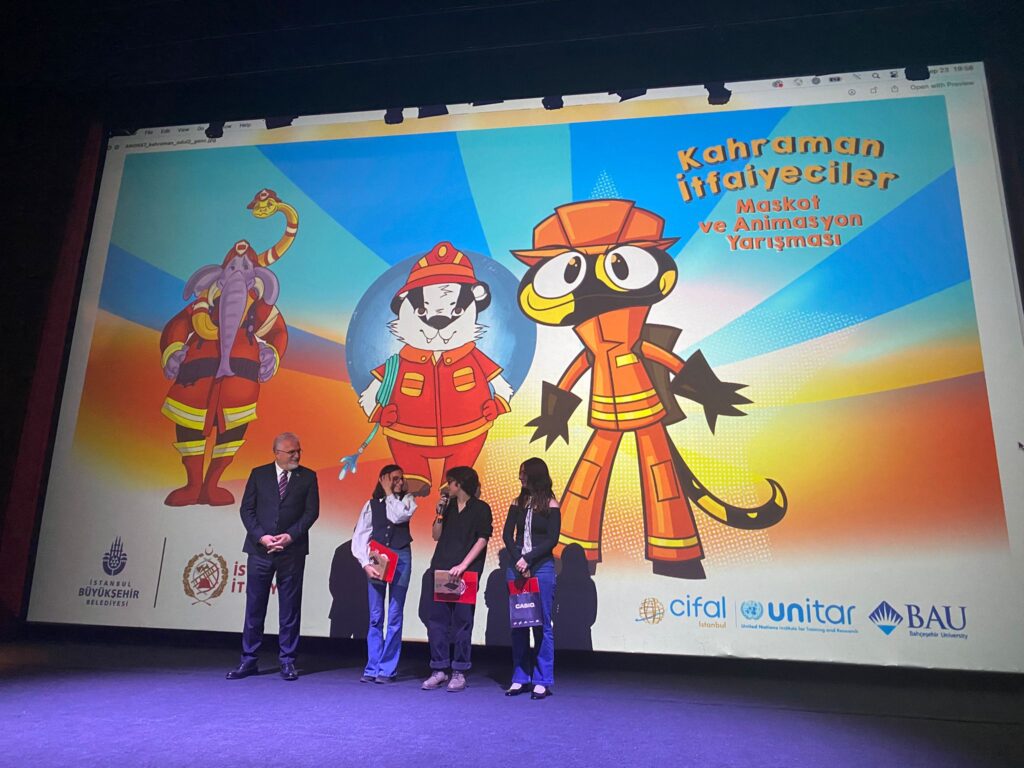
23 September 2024, Istanbul, Turkiye – The Heroic Firefighters Mascot and Animation Competition Award Ceremony took place, organized in collaboration with the Istanbul Fire Department, CIFAL Istanbul, UNITAR and Bahcesehir University.
The Award Ceremony started with speeches given respectable guests such as Remzi Albayrak, Istanbul General Chief of Fire Brigade, Prof. Tunç Bozbura, Vise President of Bahcesehir University (BAU), and Prof. Hasan Kemal Suher, Dean of BAU Faculty of Communication. The contest attracted many young artists and students from different age groups, who contributed by designing creative mascots and animations that highlighted fire safety and the heroic efforts of firefighters.
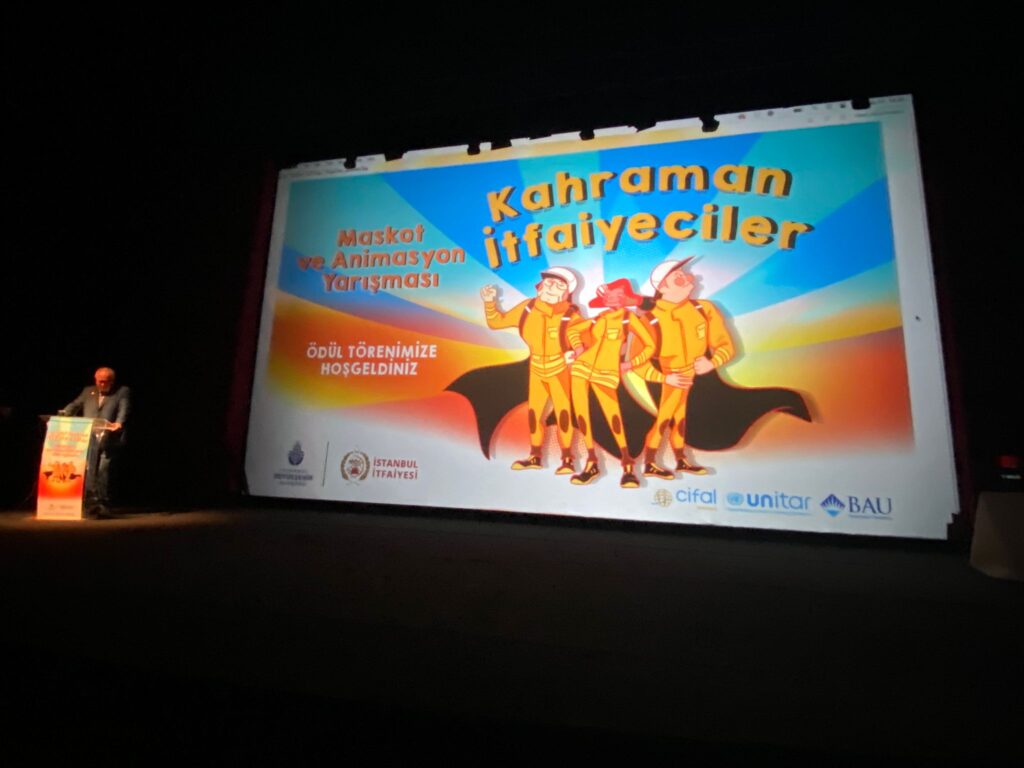
During the contest, participants focused on the critical role of firefighters in society, their efforts in combating fires, and the importance of fire safety, all presented through an artistic lens. Contestants had the opportunity to showcase their artistic talents while also engaging in projects with a sense of social responsibility. The submitted works were carefully evaluated by the jury, and the winners were selected.
At the end of the event, an award ceremony was held, during which the winners were enthusiastically presented with their prizes. Those who placed in the contest not only had the honor of having their creative projects reach a wider audience but also felt the satisfaction of contributing to public awareness about fire safety. The event succeeded in raising the visibility of firefighting services and promoting fire safety consciousness across society.
This meaningful contest drew attention to the vital work firefighters undertake daily and helped spread fire safety awareness. By engaging young people, the contest effectively combined art with social responsibility, creating a significant impact.
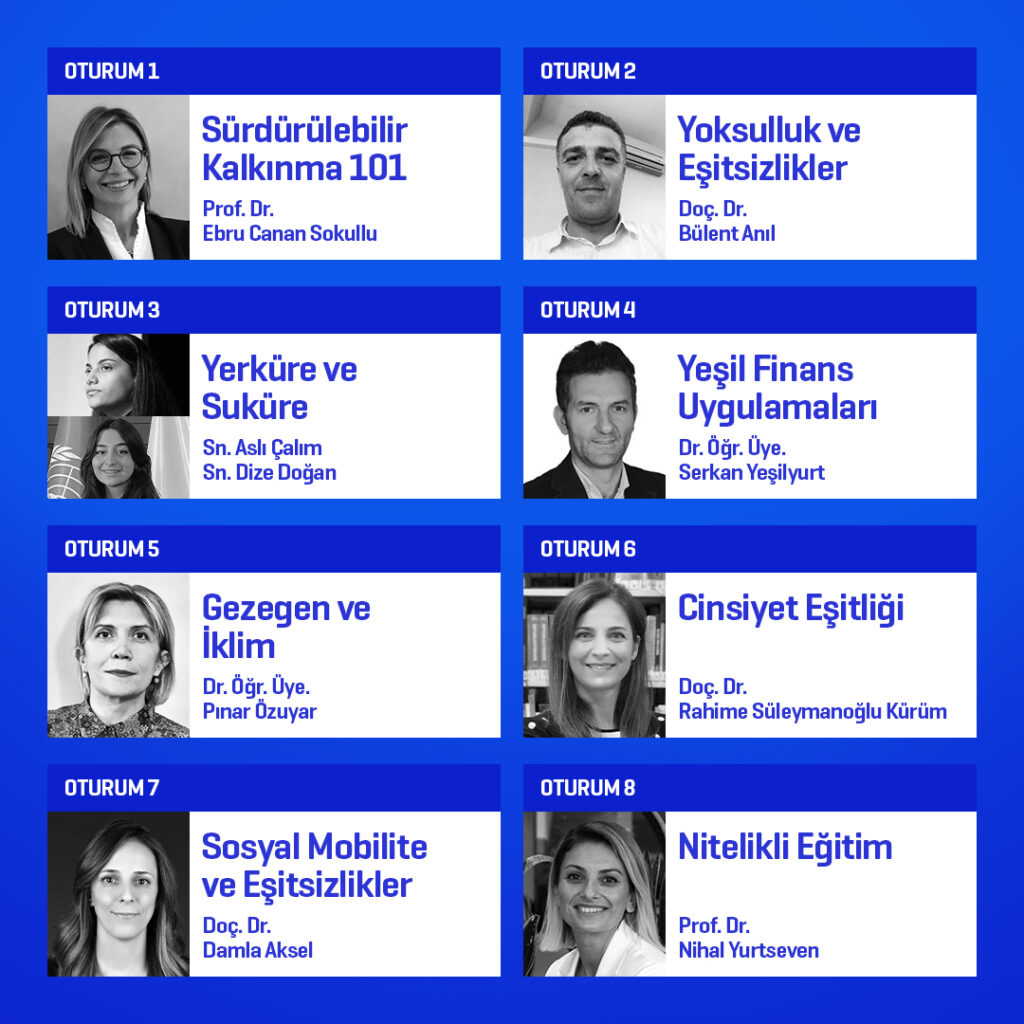
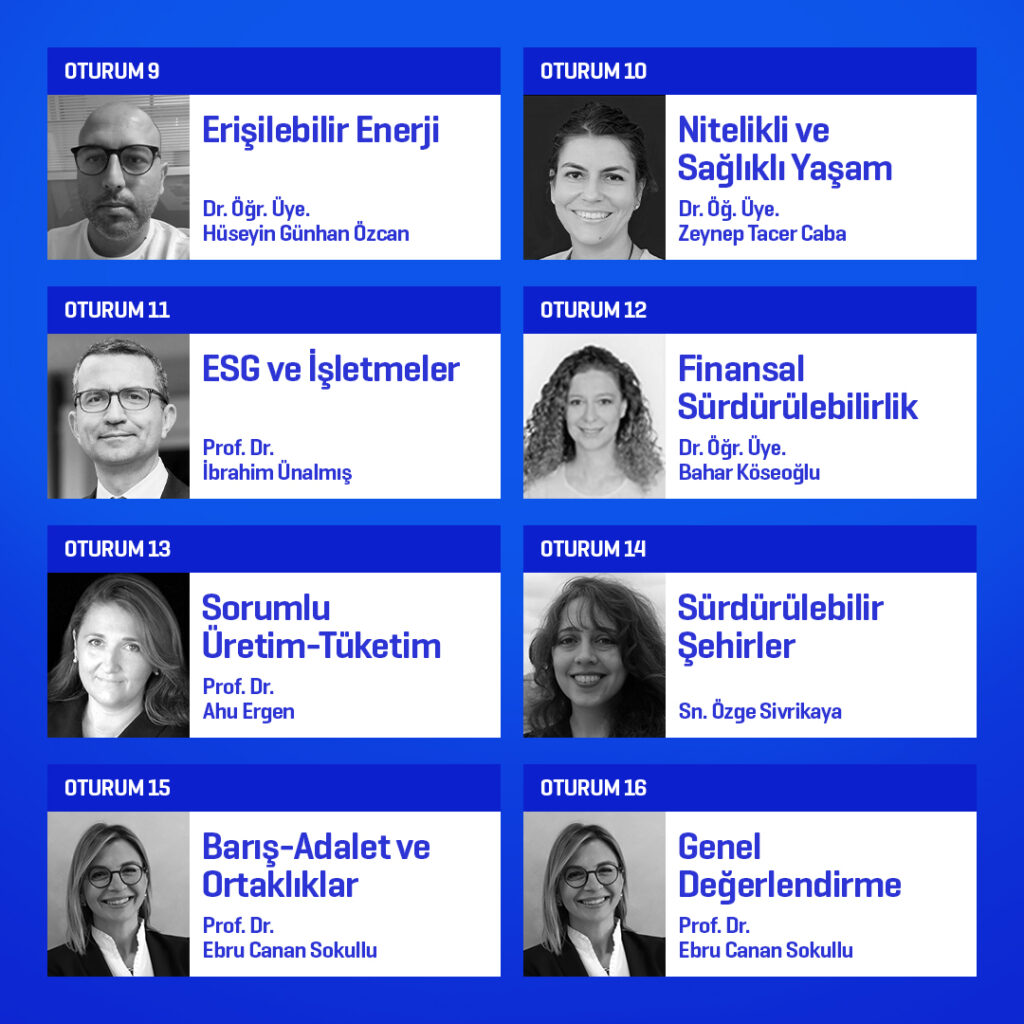
STEP Ambassadors Development Journey has begun with the cooperation of Yapı Kredi Banking Academy, Bahçeşehir University & CIFAL Istanbul! We aim to create STEP Ambassadors who value the world and nature and embrace the importance of sustainable life.
Within the scope of the STEP Ambassadors Development Journey Program, it is planned to provide sustainability literacy trainings for Yapı Kredi Bank employees in cooperation with Yapı Kredi Bank, CIFAL Istanbul, UNITAR and Bahçeşehir University, in order to increase the efforts to reflect the sustainability vision of the institution and to increase the knowledge of the employees on the Sustainable Development Goals (SDGs). Within the scope of this program, a curriculum of 16 sessions, three sessions a week, will be studied with the trainers to be determined by CIFAL Istanbul via the Webex platform of Yapı Kredi.