

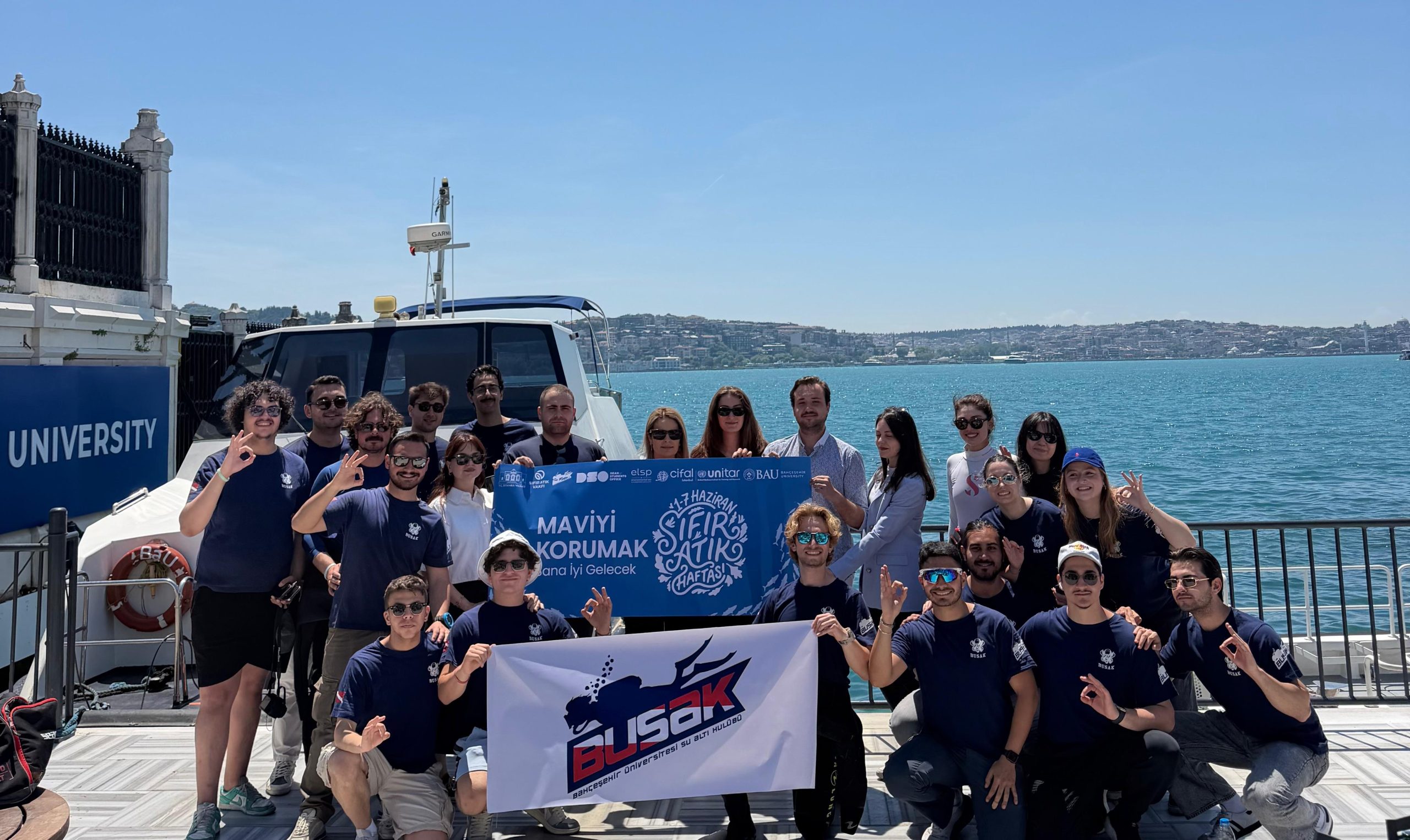
3 June 2026, Istanbul, Türkiye – As part of Istanbul Zero Waste Week, held under the auspices of the Zero Waste Foundation and the Governorship of Istanbul, an Underwater Waste Collection and Cleanup Dive was launched from BAU Port into the Bosphorus. The event was organized in collaboration with BAU BUSAK, BAU ELSP, CIFAL Istanbul, UNITAR, and Bahçeşehir University.
Diving from BAU Port, BUSAK (Bahçeşehir University Underwater Student Club) students and teams from the Turkish Coast Guard Command collected waste accumulated beneath the waters of the Bosphorus. Aiming to protect marine ecosystems and draw attention to underwater pollution, the activity also enabled university students to take an active role in addressing environmental challenges.
During the dives, a wide range of waste materials that could harm the marine ecosystem was removed from the depths of the Bosphorus, including vehicle tyres, plastic products, packaging waste, and various everyday items. The waste collected during the activity once again highlighted the effects of unsustainable consumption habits and discarded materials on the seas and underwater life.While removing the waste, the diving teams also encountered small crabs and various shellfish that had taken shelter inside or around the discarded materials. The marine creatures were carefully separated from the waste and released back into the sea so that they could continue living in their natural habitats. In this way, the activity prioritized not only the removal of underwater waste but also the protection of marine life throughout the cleanup process.
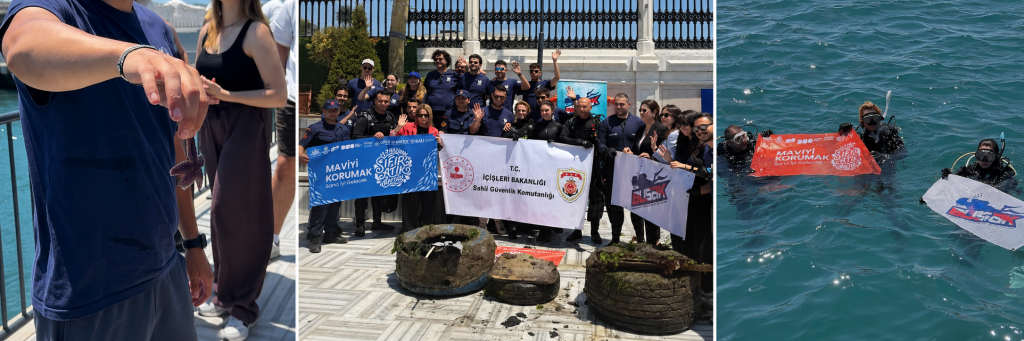
An underwater lighting device developed by Bahçeşehir University was used during the dives. By supporting the divers’ visibility beneath the surface, the device demonstrated how scientific and technological solutions developed within universities can be applied in field activities aimed at protecting the environment and natural ecosystems.
The underwater cleanup contributed to raising public awareness of marine pollution, responsible waste management, and the protection of natural resources. Bringing together public institutions, academia, and university students around a shared environmental goal, the event emphasized that cleaner seas and healthier ecosystems can only be achieved through cooperation and a collective sense of responsibility.
Held as part of Istanbul Zero Waste Week, the activity represented an important step towards protecting the natural heritage of the Bosphorus and leaving future generations a cleaner, more liveable, and more sustainable environment.
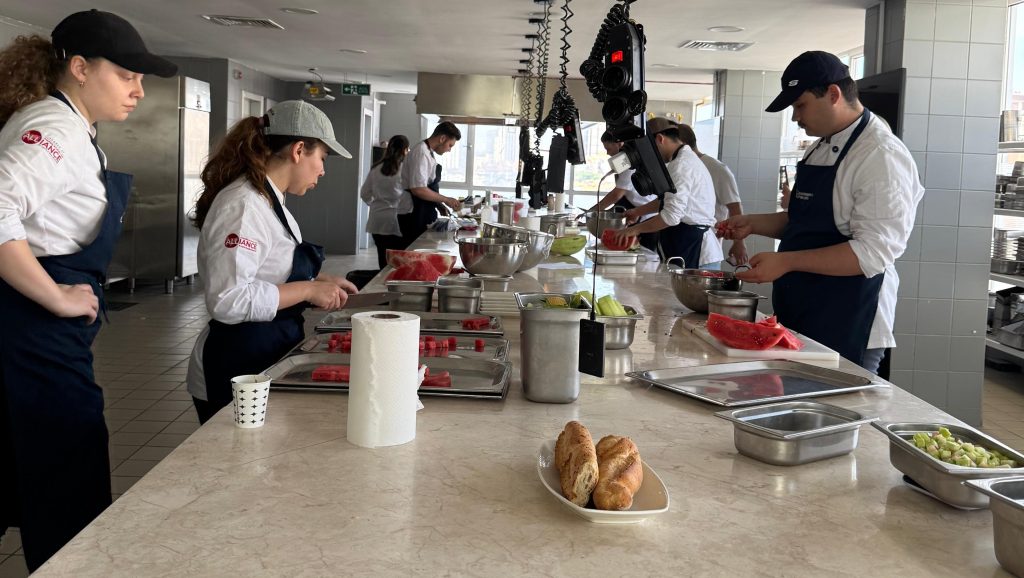
3 June 2026, Istanbul, Türkiye – Held at Bahçeşehir University as part of Istanbul Zero Waste Week, the workshop transformed a wide range of ingredients commonly discarded in kitchens—from fruit and vegetable peels to seeds, stale bread, and coffee grounds—into creative recipes and sustainable culinary products.
The “Zero-Waste Recipes Workshop” was held on 3 June 2026 at the kitchen of the Bahçeşehir University Department of Gastronomy and Culinary Arts as part of Istanbul Zero Waste Week, an initiative implemented under the auspices of the Zero Waste Foundation and the Governorship of Istanbul.
Organized in collaboration with CIFAL Istanbul, UNITAR and Bahçeşehir University, with the contributions of the BAU Department of Gastronomy and Culinary Arts, the workshop brought together practical methods for preventing food waste with the creative potential of gastronomy.
Food Scraps Became Essential Ingredients in New Recipes
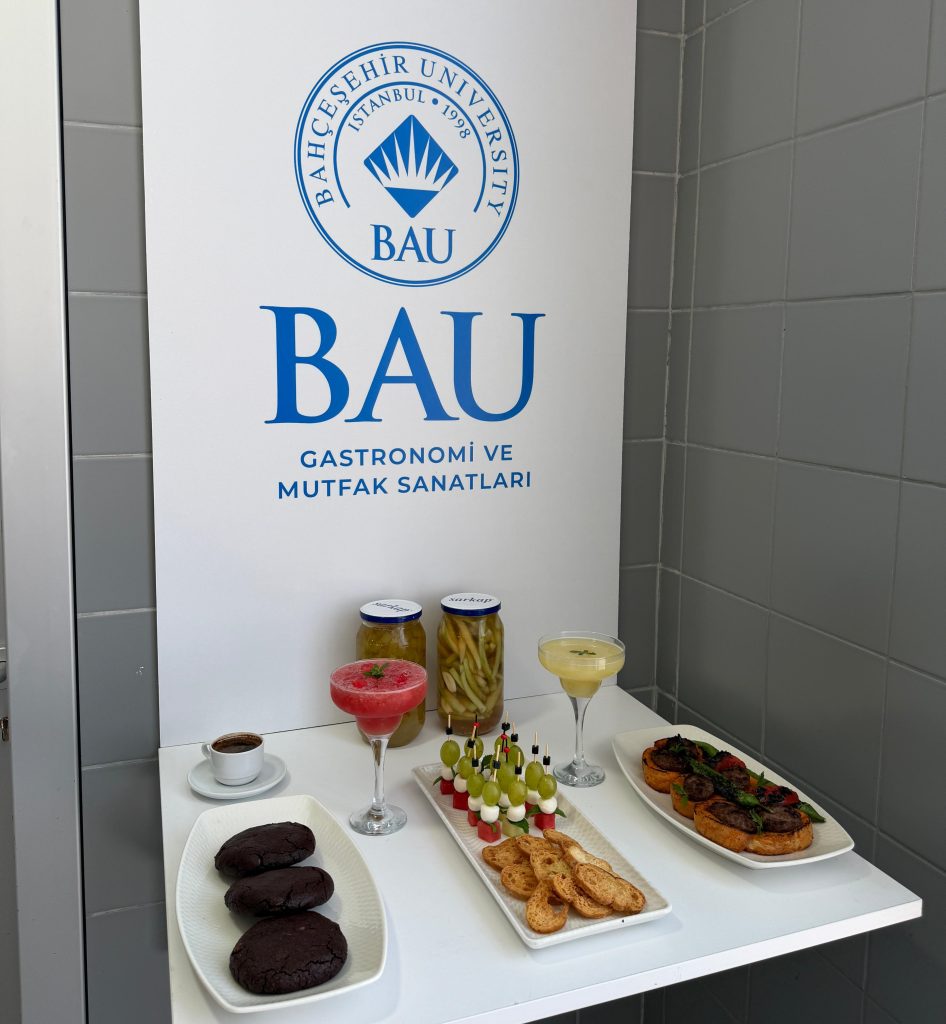
Throughout the workshop, food components that are often discarded during preparation were repurposed through a range of creative culinary techniques. Onion and garlic skins were dried, ground into powder, and incorporated into the spice mixture prepared for Islama Köfte, enhancing the dish’s aroma and flavour. Stock made from meat and bones was used to flavour and toast stale bread, while another portion of the bread was transformed into crostini.
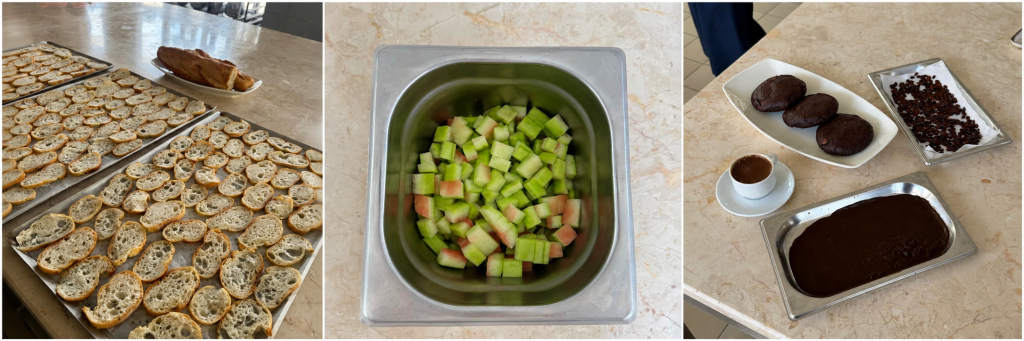
Melon seeds were used to prepare sübye, a traditional beverage rooted in Ottoman culinary culture, bringing together culinary heritage and contemporary sustainability practices. Watermelon and melon were also utilized comprehensively: their edible parts were combined with cheese to create canapés, while watermelon was used to prepare a refreshing frozen beverage.
The white part of the watermelon rind was processed into pickles and jam, demonstrating how parts commonly regarded as waste can be preserved and transformed into new products. Watermelon seeds were dried, ground into flour, and incorporated into coffee-flavoured cookies. Similarly, the grounds remaining after the preparation of Turkish coffee were processed for use as an alternative ingredient in baked goods.
Together, these practices demonstrated how peels, seeds, stale bread, bones, and other food remnants can be returned to the culinary production cycle rather than discarded. By combining traditional knowledge with innovative techniques, the workshop offered practical examples of how food waste can be reduced while creating new flavours, textures, and products.
The Zero-Waste Approach Extended Beyond the Recipes
The workshop was not limited to developing new recipes. Every stage of food preparation was addressed through a comprehensive perspective focused on the efficient use of resources and the minimization of potential waste.
Watermelon and melon peels remaining from the preparation process were separated for composting rather than being sent directly to waste disposal. The organic materials were allocated for use in the cultivation of fruit, vegetables, and aromatic plants in the garden of the BAU Department of Gastronomy and Culinary Arts.
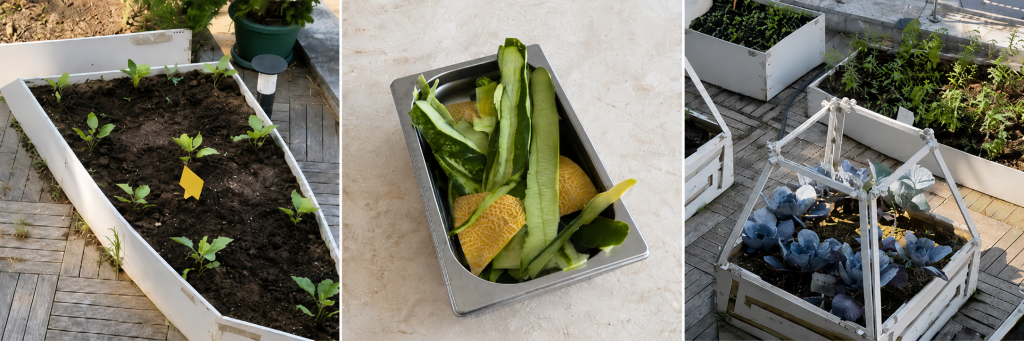
The department’s garden enabled the sustainability approach introduced during the workshop to extend beyond the boundaries of the kitchen. By converting organic kitchen scraps into compost and returning them to the soil, the workshop contributed to the completion of the cycle between food production and consumption.
In this respect, the garden stands out not only as an agricultural production area but also as a practical sustainability environment where students and participants can observe the journey of food from soil to table and from the table back to the soil. Through this model, the department’s garden functions as a living learning environment that brings together culinary education, ecological awareness, and sustainable production. The integration of kitchen practices with composting and cultivation also highlights the importance of designing food systems in which resources remain in circulation for as long as possible.
A Practical Culinary Model for Preventing Food Waste
The practices carried out during the workshop emphasized that preventing food waste is achievable not only in professional kitchens but also through methods that can be incorporated into daily household routines.
Participants experienced how careful planning, storage, transformation, and reuse techniques can increase the yield obtained from food products, enable familiar recipes to be reinterpreted with alternative ingredients, and significantly reduce the amount of organic waste generated in kitchens. Implemented with the academic and practical contributions of the BAU Department of Gastronomy and Culinary Arts, the workshop presented an exemplary gastronomic model in which no food component was regarded as functionless waste. Instead, each ingredient was kept within the production cycle through reuse, transformation, preservation, or composting.
At the Edge of New Era: 21st Century Leadership Journey Training Programme, delivered for the second time in collaboration with Zeren Group Holding, CIFAL Istanbul, UNITAR and Bahçeşehir University, celebrated the graduation of its third cohort. Students who successfully completed the six-month learning journey received their certificates during the programme’s graduation ceremony.
The third cohort brought together 436 university students from 93 educational institutions across 45 provinces of Türkiye. Having reached more than 1,000 students to date, the At the Edge of New Era: 21st Century Leadership Journey Training Programme aims to contribute to reducing inequalities by supporting young people’s access to quality learning opportunities. The programme also seeks to raise awareness, encourage participants to translate knowledge into action, and equip students with the skills and confidence they will need throughout their future careers.
Building 21st-Century Skills Through Four Modules
The At the Edge of New Era: 21st Century Leadership Journey Training Programme was structured around four core modules: Communication, Technology, Sustainability, and Leadership. Throughout the programme, distinguished academics and professionals delivered 10 live online sessions, complemented by 19 asynchronous courses designed to deepen participants’ understanding of the topics covered.
The programme opened with the kick-off session delivered by Prof. Dr. Çisil Sohodol, Director of CIFAL Istanbul, titled “At the Edge of New Era: The 21st Century Leadership Journey.” The session explored the changing needs of today’s world, essential 21st-century competencies, and emerging approaches to future-oriented leadership.
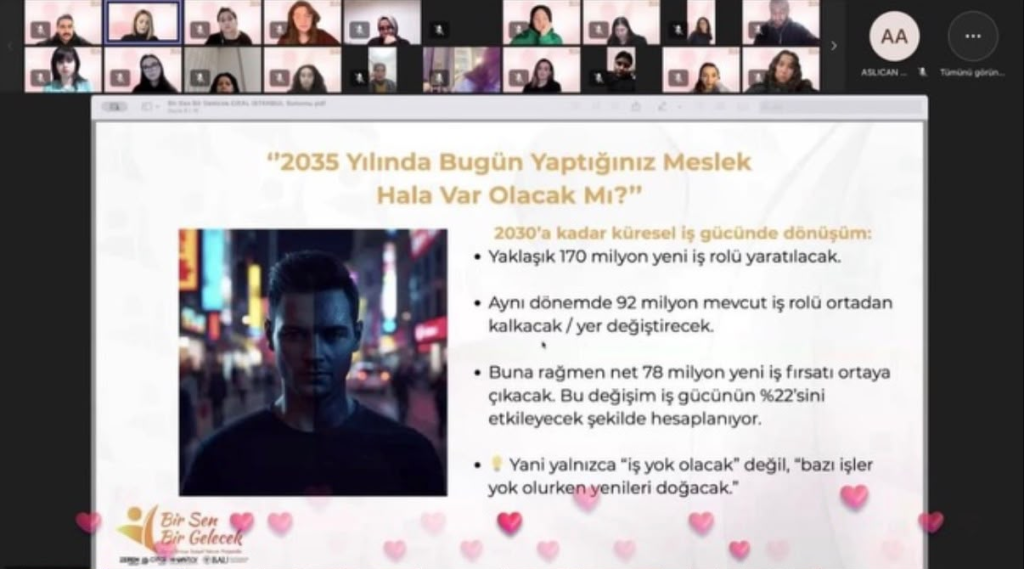
The first module focused on strengthening students’ ability to express themselves effectively, establish meaningful relationships with different stakeholders, and develop the communication skills required in both their personal and professional lives. During the live sessions, Prof. Dr. Kemal Süher addressed the fundamental elements of communication through his course titled “Communication Skills.” Erdal Uzunoğlu, in his session titled “Networking,” focused on building professional relationships and managing them effectively and sustainably. The live sessions were supported by asynchronous courses covering effective communication through games and the arts, persuasion and influence skills, negotiation techniques, and personal brand management. Through these courses, students were encouraged to explore communication from different perspectives and apply what they learned to their social and professional lives.
The Technology Module focused on helping students understand digital transformation and the impact of emerging technologies on society, industries, and the world of work. In his live session titled “Technology Trends,” Prof. Dr. Yücel Batu Salman examined current technological developments and their potential implications for the future. Ercüment Büyükşener, through his course “Becoming a Digital Citizen,” discussed rights, responsibilities, and conscious technology use in the digital environment. The asynchronous courses covered sectoral transformation in the age of data, the fundamentals of artificial intelligence, machine learning, and new technology applications. These courses aimed to support students in becoming not only users of technology but also informed individuals capable of evaluating the opportunities and risks associated with technological developments.
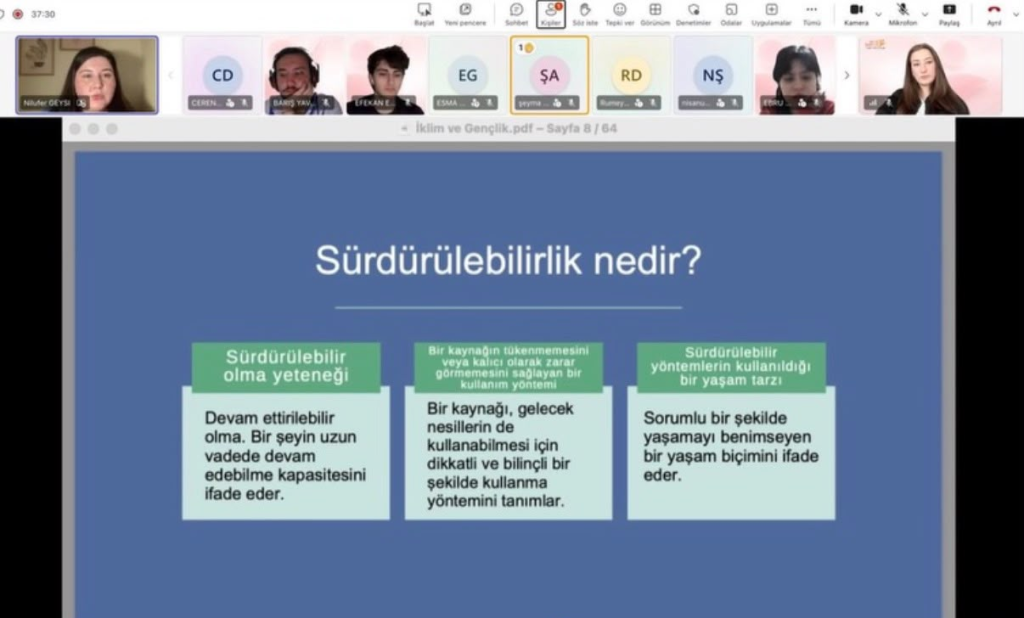
The Sustainability Module examined the relationship between individual choices, institutional decisions, and their wider social and environmental consequences. In the live session titled “From Everyday Decisions to Institutional Impact: Why Does Sustainability Begin with Behaviour?” Dr. Yasemin Ülker highlighted the importance of individual awareness and behavioural change in achieving sustainable transformation. Another live session, titled “The Role of Youth in Addressing Social Challenges and the Climate Crisis,” Dr. Nilüfer Geysi focused on the responsibilities and contributions of young people in responding to contemporary social and environmental challenges. The asynchronous courses explored the role of businesses in building a sustainable future, ethical management, corporate social responsibility, corporate sustainability, ESG, and human capital investments. Through these topics, students were encouraged to view sustainability not solely as an environmental issue but as a multidimensional field encompassing social, economic, institutional, and ethical considerations.
The final module focused on the leadership competencies students will need in increasingly digitalised, rapidly changing, and uncertain professional environments. Prof. Dr. Ahmet Erkuş, in his live course titled “New Generation Leadership and Team Management,” discussed evolving leadership approaches and the fundamental principles of effective team management. Prof. Dr. Tunç Bozbura, through his session titled “Youth’s Future Leadership Journey: Will Robots Be Our Leaders in the Future?”, examined the changing relationship between technology and leadership. The module’s final live session was delivered by Prof. Dr. Ahmet Beşkese under the title “Change Management and Turning Crisis into Opportunity.” The accompanying asynchronous courses addressed emotional resilience, creative thinking, success in a VUCA world, coping with uncertainty, and leadership in the age of digital transformation.
A Development Journey from Knowledge to Action
The At the Edge of New Era: 21st Century Leadership Journey Training Programme was designed not merely as a process of transferring knowledge but as a holistic learning experience that encouraged students to connect what they learned with contemporary social, environmental, and technological challenges. Throughout the programme, participants were supported in developing greater awareness, adopting more sustainable behaviours, adapting to changing conditions, and strengthening the competencies required for their future academic and professional lives.
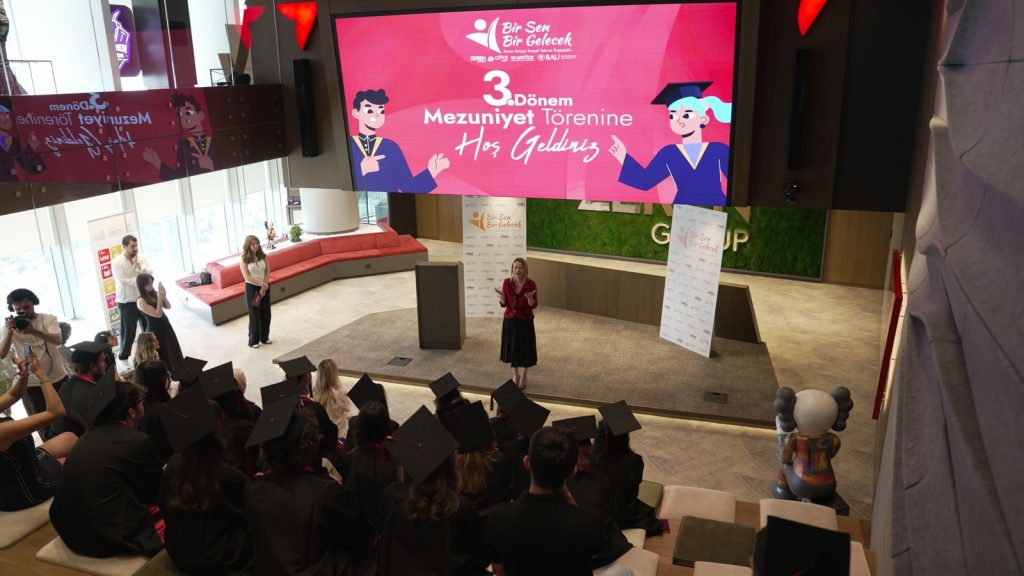
The graduation ceremony was presented by Aslıcan Açık, Coordination and Organization Assistant Specialist at CIFAL Istanbul, who coordinated and followed the implementation of the project throughout the programme. During the ceremony, Seda Zeren Adıgüzel, Member of the Board of Directors of Zeren Group Holding, and Prof. Dr. Çisil Sohodol, Director of CIFAL Istanbul, delivered speeches reflecting on the programme’s objectives, achievements, and contribution to young people’s development. Graduating students Arya Gürses, Barış Yavaş, and Sıla Soylu also took the stage to share their experiences and reflections. The students thanked the partner institutions, academics, and programme team, emphasising that the training had broadened their perspectives, strengthened their personal and professional competencies, and provided valuable guidance for their future academic and career journeys.
By bringing together Bahçeşehir University’s academic expertise, BAUGO’s digital learning infrastructure, the training and capacity-building approach of CIFAL Istanbul and UNITAR, and Zeren Group Holding’s commitment to youth development, the At the Edge of New Era: 21st Century Leadership Journey Training Programme continues to support young people in becoming more informed, capable, and future-ready individuals.
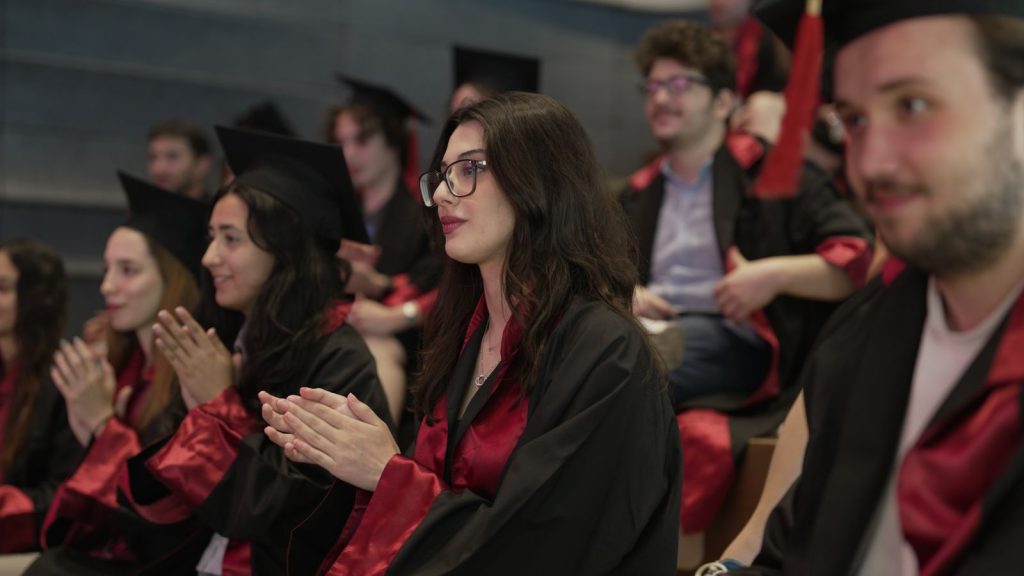
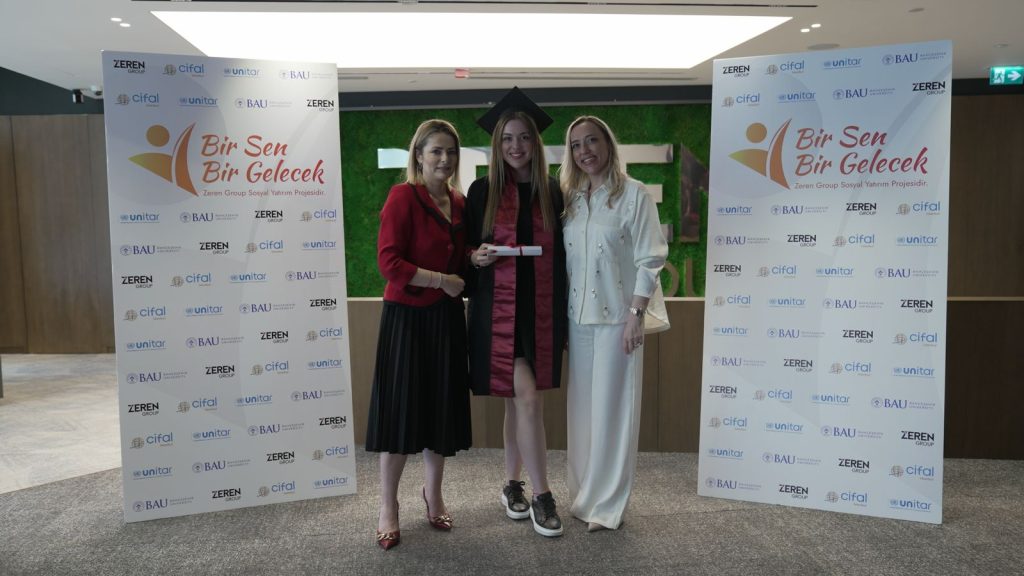
The second term of “Enerjisa: A Better and Sustainable Future,” carried out for the second time this year in partnership with Enerjisa Enerji, CIFAL Istanbul, UNITAR, and Bahçeşehir University, was successfully completed following a rich fourteen-week academic period.
8 June 2026, Istanbul, Türkiye – Launched on 2 March 2026 with the kick-off lecture delivered by Prof. Dr. Çisil Sohodol, Director of CIFAL Istanbul, the second term concluded on 8 June 2026 with a closing lecture held at Enerjisa Headquarters with the participation of Murat Pınar, CEO of Enerjisa Enerji, followed by a certificate ceremony held on the same day.
Bringing together students from various departments, the program addressed topics such as sustainability, energy efficiency, corporate sustainability, social impact, sustainability communication, artificial intelligence, digital transformation, green finance, sustainable consumption, and next-generation skills through an interdisciplinary approach. With the contributions of distinguished speakers from academia, the private sector, public institutions, and civil society, students had the opportunity to explore sustainability through different sectors and areas of practice.
In the opening lecture, Prof. Dr. Çisil Sohodol emphasized the importance of addressing sustainability and the Sustainable Development Goals from interdisciplinary and cross-sectoral perspectives. Highlighting that sustainability should become a lasting area of awareness in students’ academic, professional, and personal lives, Prof. Dr. Sohodol also underlined the role of sustainability communication in creating social impact.
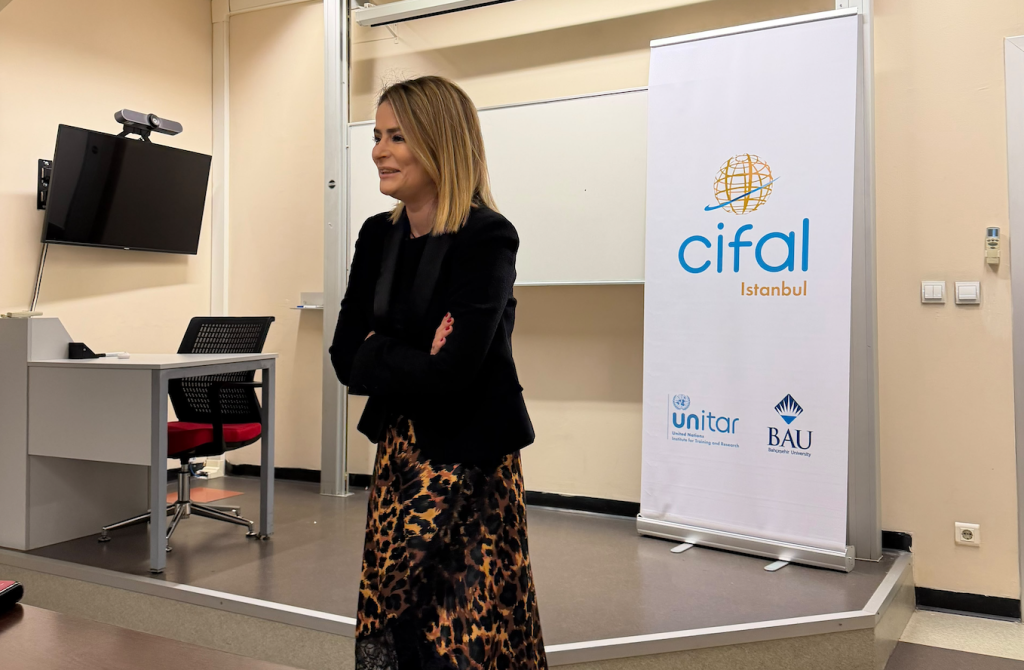
Throughout the term, representatives from Enerjisa Enerji, including Ebru Taşcıoğlu, Irmak Pınar Tercan, Göktürk Demirel, and Murat Pınar, came together with students to share their experiences on the energy sector, corporate sustainability, sustainability communication, social investment, volunteering activities, and Enerjisa’s vision for a better future. Through these sessions, students had the opportunity to hear directly from sector professionals about the role of sustainability in the energy sector and the social, environmental, and economic impact areas of institutions.
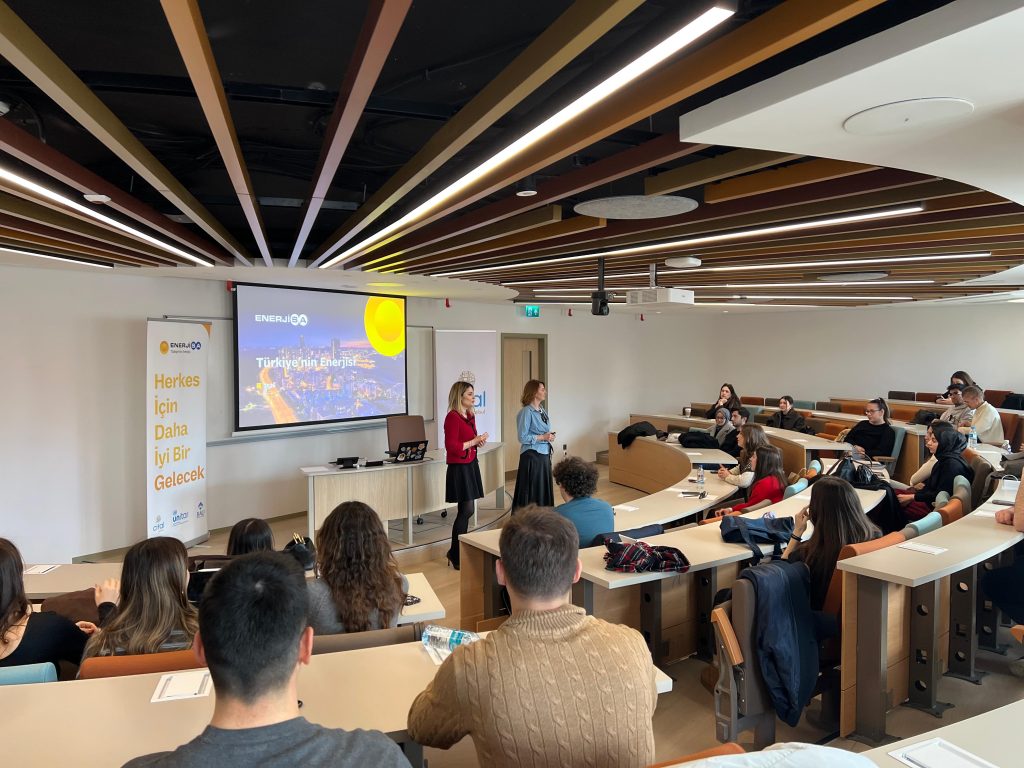
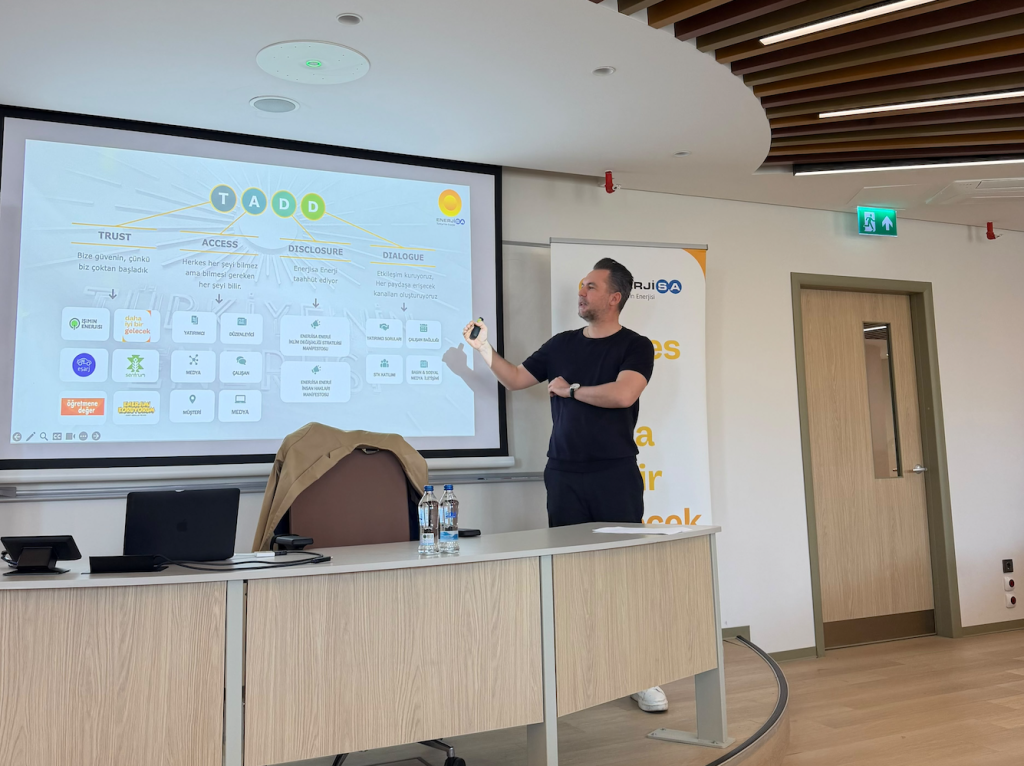
The program also covered a wide range of themes, including civil society, social entrepreneurship, economic efficiency, green finance, digital transformation, artificial intelligence, future trends, energy policies, sustainable consumption, and next-generation skills, with the contributions of speakers from different fields of expertise. Sait Beyazyürek, General Manager of Needs Map and Member of the IDEMA Steering Committee; Prof. Dr. Itır Erhart, Dean of the Faculty of Communication at Istanbul Bilgi University; Ercüment Büyükşener, Founder of Digital Gateway; Prof. Dr. Emre Alkin, Rector of Istanbul Topkapı University; Akan Abdula, Founder of FutureBright; Dr. Bilal Düzgün, Head of the Department of Energy Efficiency and Environment at the Ministry of Energy and Natural Resources; Prof. Dr. Ahu Ergen, Head of the Department of International Trade and Business at Bahçeşehir University; and Dr. Yasemin Ülker, Deputy Director of CIFAL Istanbul, were among the speakers who met with students throughout the program.
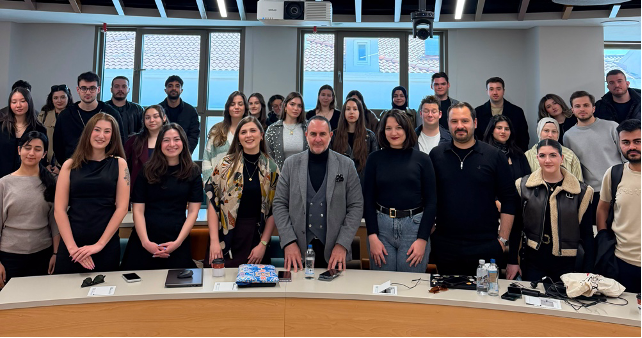
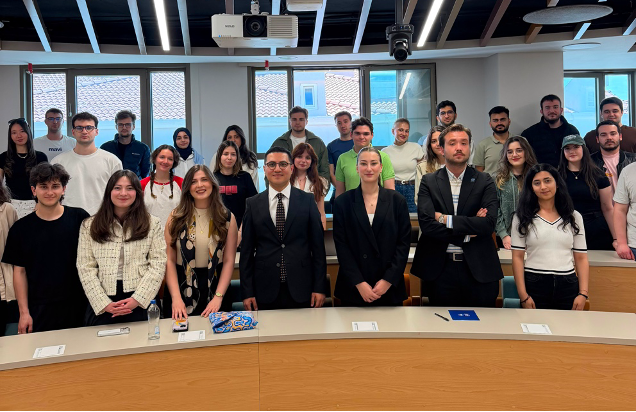
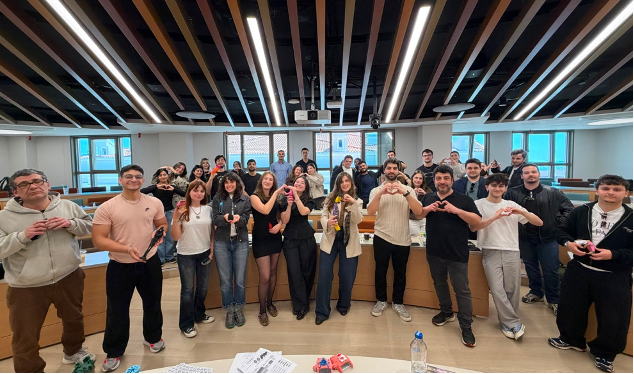
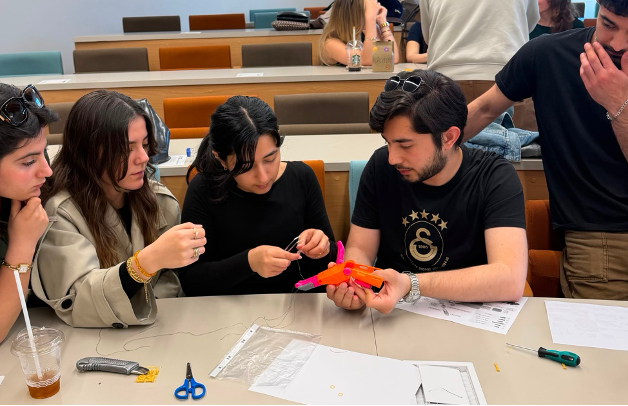
In addition to the lectures, the hands-on workshop organized in collaboration with Robotel Association stood out as one of the most meaningful and impactful components of the program. During the workshop, students actively participated in the assembly of 3D-printed mechanical hands designed for children with limb differences, gaining first-hand experience in a project that brings together technology, social innovation, and community engagement. By contributing directly to the production process, students were able to observe how innovative solutions can respond to real social needs and create tangible value for individuals and communities.
The workshop also encouraged collaboration, problem-solving, and empathy, while offering participants a deeper understanding of the relationship between sustainability, accessibility, and inclusive design. Through this practical experience, students engaged with the concepts of sustainability and social impact not only within a theoretical framework, but also through a concrete and purpose-driven application.
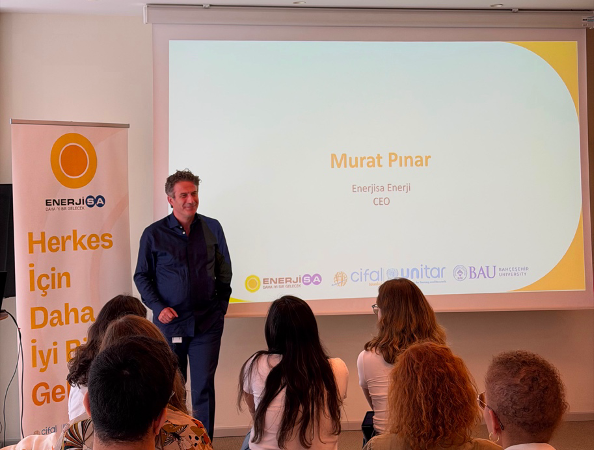
The closing lecture of the program was delivered by Murat Pınar, CEO of Enerjisa Enerji, under the title “Building a Better and Sustainable Future: An Enerjisa Experience” at Enerjisa Headquarters. During the closing session, students had the opportunity to learn about Enerjisa’s sustainability vision, its approach to transformation in the energy sector, and its efforts to build a better future through the lens of institutional experience.
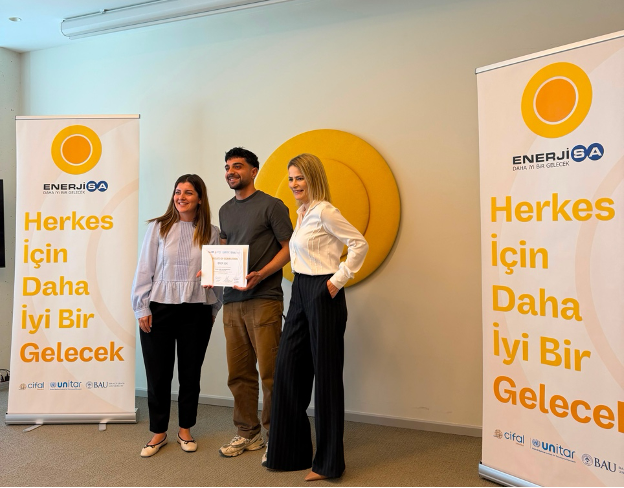
Following the closing lecture, a certificate ceremony was held for the students who successfully completed the second term of “Enerjisa: A Better and Sustainable Future.” After the ceremony, students toured Enerjisa Headquarters accompanied by Enerjisa Enerji executives and had the chance to observe the institution’s working environment closely. The program concluded with a networking gathering that brought together students, academics, and representatives of Enerjisa Enerji.
Throughout the fourteen-week academic period, “Enerjisa: A Better and Sustainable Future” brought together interdisciplinary learning, sectoral experience, and social impact-oriented practices in the field of sustainability, contributing to students’ knowledge, awareness, and skills for building a better and more sustainable future.
Global Youth Summit for Sustainability 2026, Organized by YCDP in Collaboration with CIFAL Istanbul, UNITAR, and Bahçeşehir University, Brings Together Young Leaders in Istanbul
21–24 May 2026, Istanbul, Türkiye – The Global Youth Summit for Sustainability 2026, organized by the Youth Center for Dialogue and Peace (YCDP) in collaboration with CIFAL Istanbul, UNITAR, and Bahçeşehir University, brought together young leaders, academics, practitioners, and representatives from international organizations for four days of dialogue, learning, and collaboration on sustainability and climate action. Among the participants were members of the CIFAL Istanbul Youth Platform, who took part in the four-day programme, engaging in discussions and activities alongside participants from different countries and sectors.
Held at Hyatt Regency Ataköy and Bahçeşehir University, the summit provided an international platform for participants from diverse backgrounds and countries to exchange ideas, strengthen partnerships, and explore innovative approaches to today’s most pressing global challenges. As Türkiye prepares to host COP31 in Antalya in 2026, the summit highlighted the importance of meaningful youth participation in shaping sustainable and climate-resilient societies.
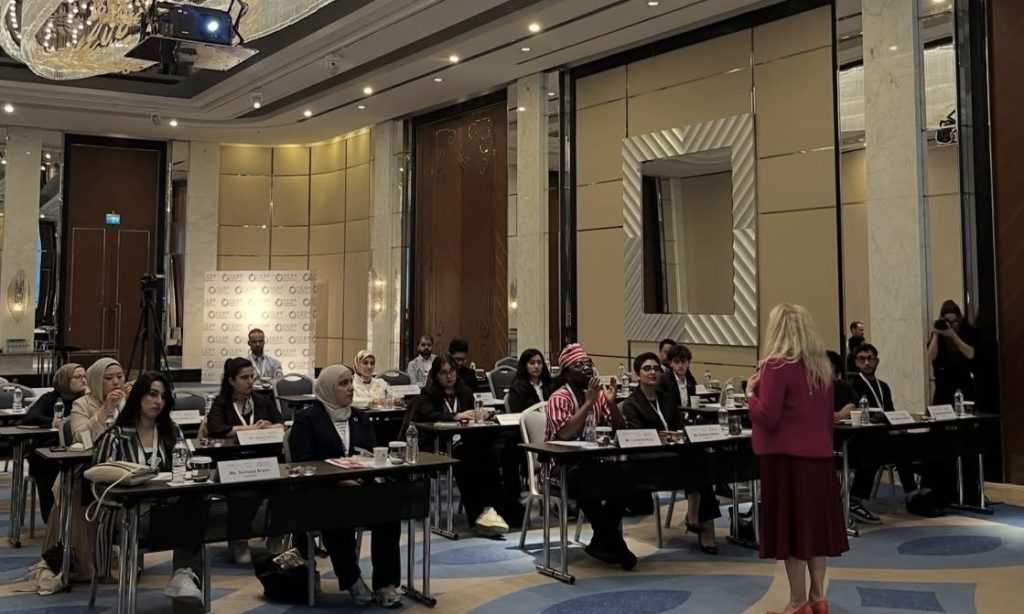
The programme commenced on 21 May with an inauguration ceremony at Hyatt Regency Hotel, followed by discussions focusing on intergenerational collaboration for sustainable development and the role of young people in creating more inclusive and resilient communities.
On 22 May, an open sessions hosted at Bahçeşehir University brought together students, youth advocates, academics, and representatives from the United Nations system. Through keynote speeches and panel discussions, participants explored the connections between climate action, sustainable development, and youth leadership. The programme emphasized the importance of ensuring that young people are not merely consulted in decision-making processes but are actively involved in designing and implementing solutions that address the climate crisis.
The summit continued on 23 May at Hyatt Regency Hotel with interactive workshops and discussions focusing on humanitarian action, strategic sustainability, and green entrepreneurship. Participants had the opportunity to develop practical perspectives on sustainable business models, strengthen their leadership capacities, and engage in collaborative learning experiences.The day concluded with the presentation of the Youth Statement on Sustainability, followed by the closing ceremony, during which participants reflected on the achievements of the summit and celebrated the completion of the programme.
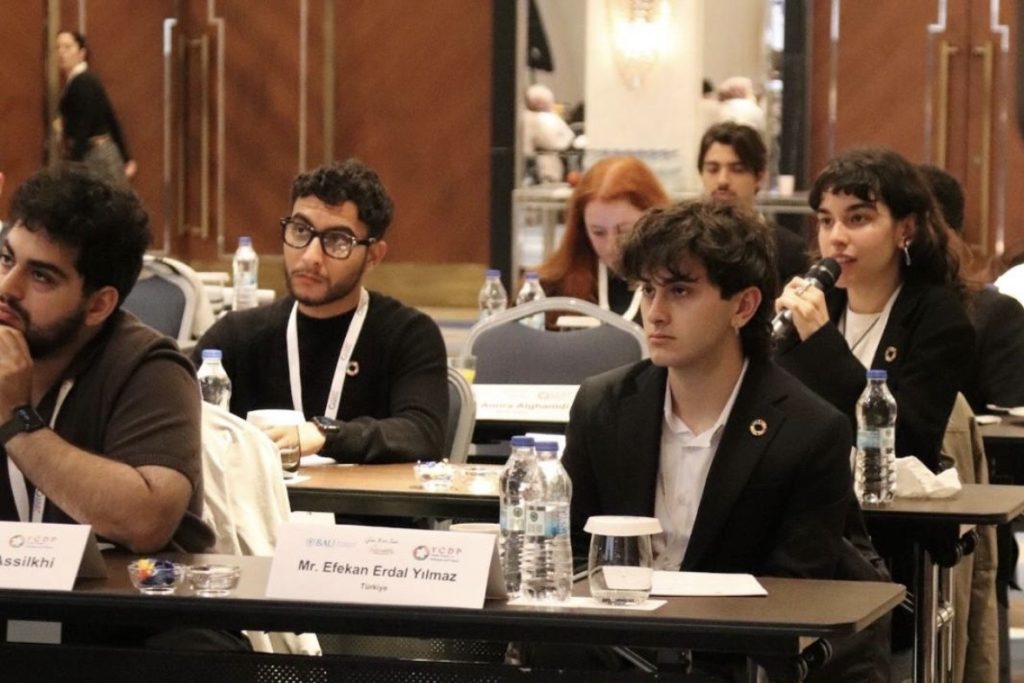
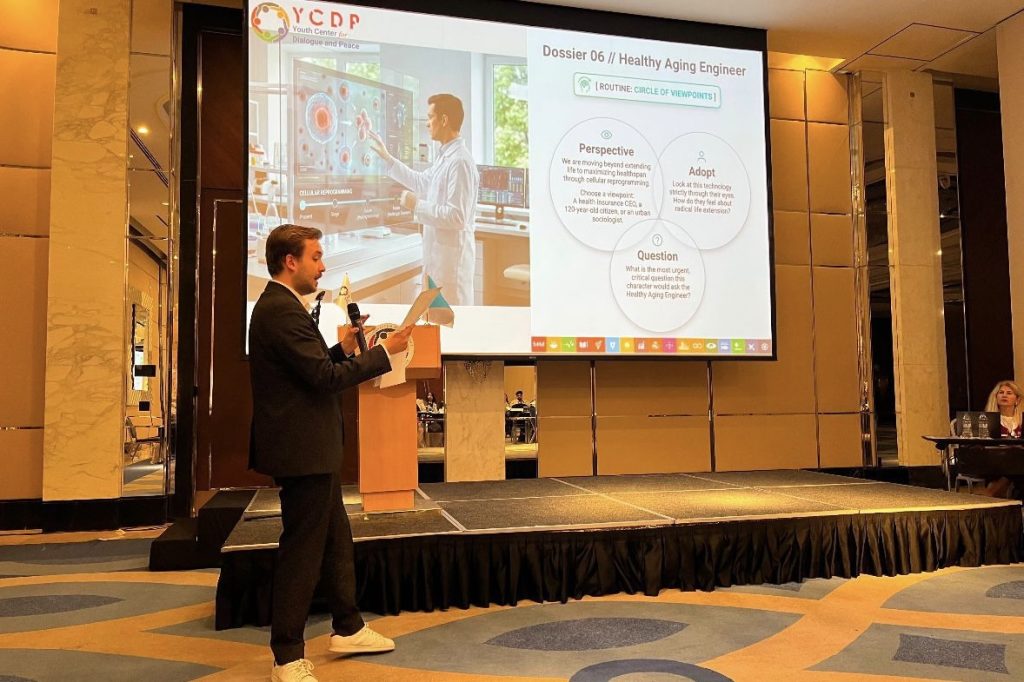
On 24 May, participants had the opportunity to take part in Walk for Change, an outdoor activity that encouraged further reflection, networking, and cultural exchange in the unique setting of Istanbul.
The Global Youth Summit for Sustainability 2026 emphasized the critical role of young people as agents of change and demonstrated the value of partnerships among youth organizations, academia, international institutions, and civil society in addressing complex global challenges. By creating spaces for dialogue, capacity-building, and collective action, the summit contributed to strengthening youth engagement in the implementation of the 2030 Agenda for Sustainable Development.
The themes explored throughout the summit reflected the broader objectives of sustainable development, with a strong emphasis on lifelong learning, knowledge exchange, climate awareness, inclusive participation, intergenerational dialogue, and multi-stakeholder cooperation in advancing sustainability.
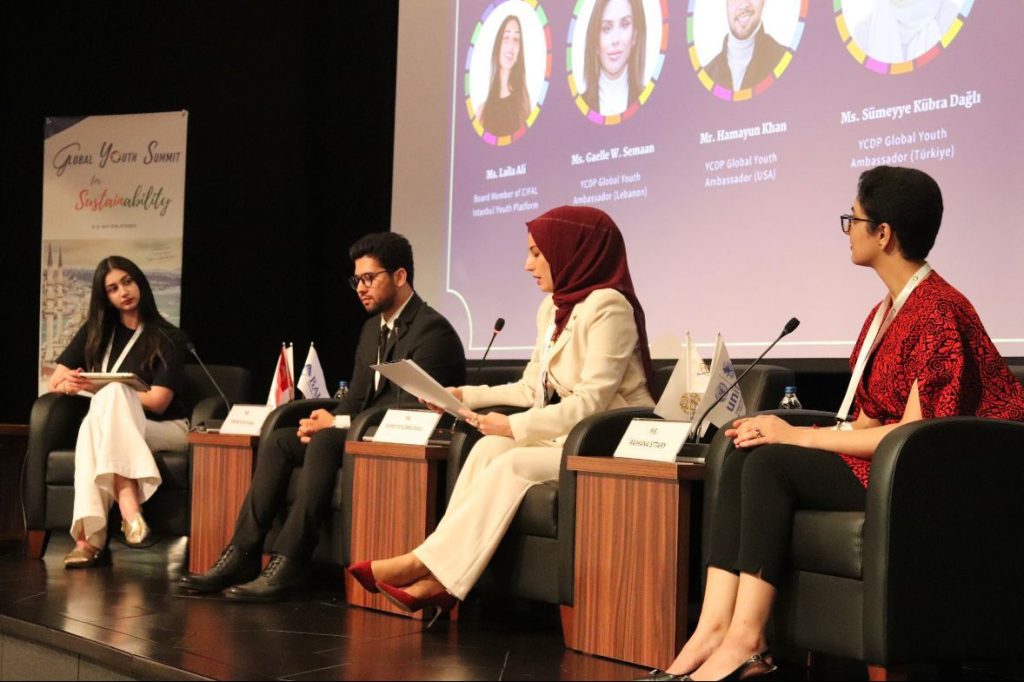
As the international community moves towards COP31, initiatives such as the Global Youth Summit for Sustainability continue to demonstrate that empowering young people with the knowledge, networks, and opportunities to participate meaningfully in decision-making processes is essential for building a more sustainable, inclusive, and resilient future.
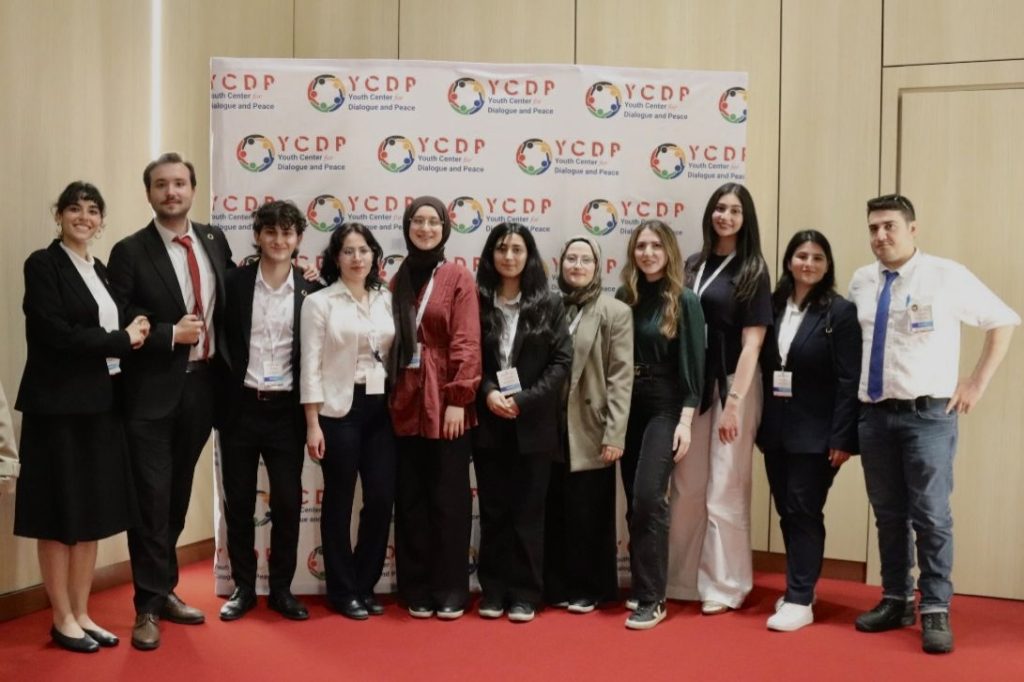
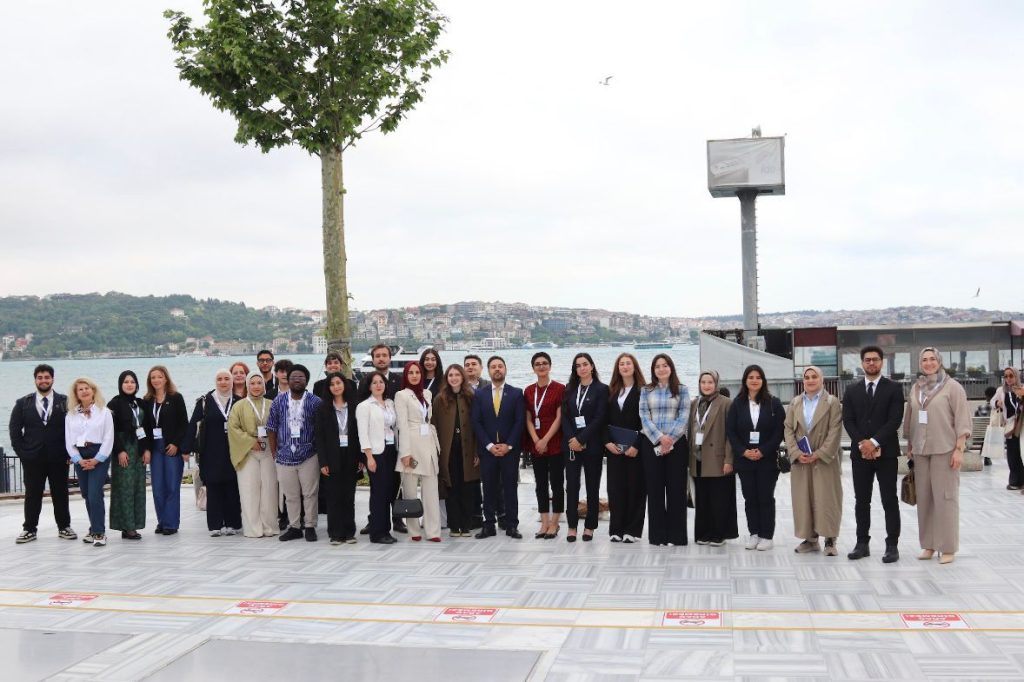
22 May 2026, Istanbul, Türkiye – In the lead-up to COP31, which Türkiye will host in Antalya in 2026, Youth Center for Dialogue and Peace, CIFAL Istanbul, UNITAR and Bahçeşehir University convened a session titled “Youth Leadership in Climate Action: From Advocacy to Impact” at Bahçeşehir University. Held within the framework of the Global Youth Summit for Sustainability 2026, the event brought together students, young climate advocates, academics, and United Nations representatives to explore the critical role of youth in shaping sustainable and climate-resilient societies.
The session centred on three interconnected objectives: strengthening youth participation in climate action, advancing dialogue on global climate processes, and examining how young people can meaningfully contribute to policy design and implementation.
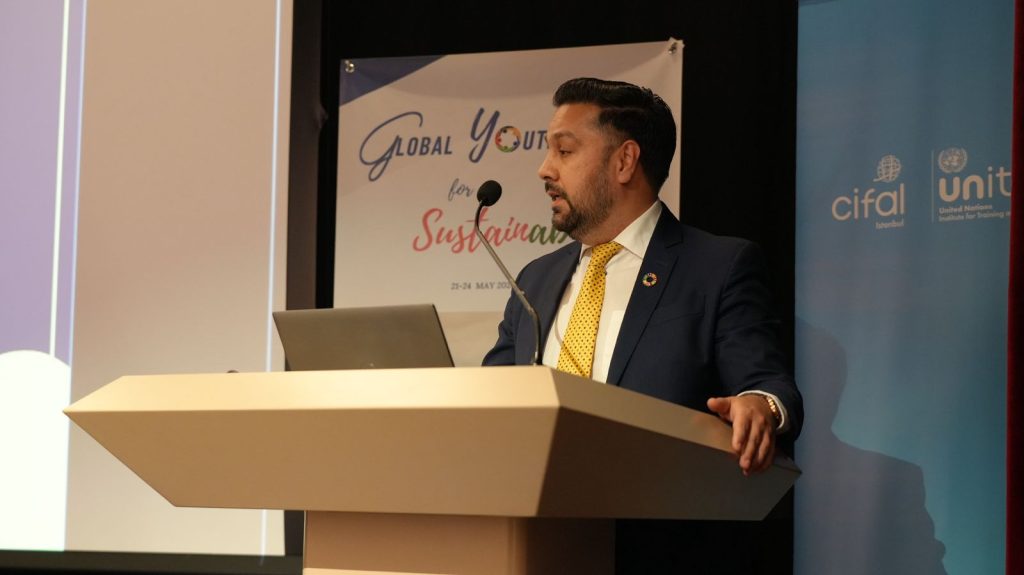
The event started with brief opening remarks from Yama Sukhanyar, Executive Director of the Youth Center for Dialogue and Peace, who emphasized the significance of the conference as a platform for strengthening youth engagement in addressing global challenges. In his remarks, Sukhanyar underlined the vital role of young people in fostering dialogue, promoting peace, and contributing to collective solutions for the pressing issues facing the international community.
The event continued with an address by Dr. Babatunde Ahonsi, United Nations Resident Coordinator in Türkiye, who drew attention to the compounding pressures facing younger generations. Characterising the current moment as one of intertwined crises, he highlighted how climate change, biodiversity loss, inequality, rapid urbanisation, and technological transformation are reshaping daily life, cities, livelihoods, and future prospects in ways that are immediate rather than abstract. Dr. Ahonsi stressed that climate action must be understood not only as an environmental matter but as a question of development and justice, and that young people must be active co-designers of solutions rather than passive consultants.
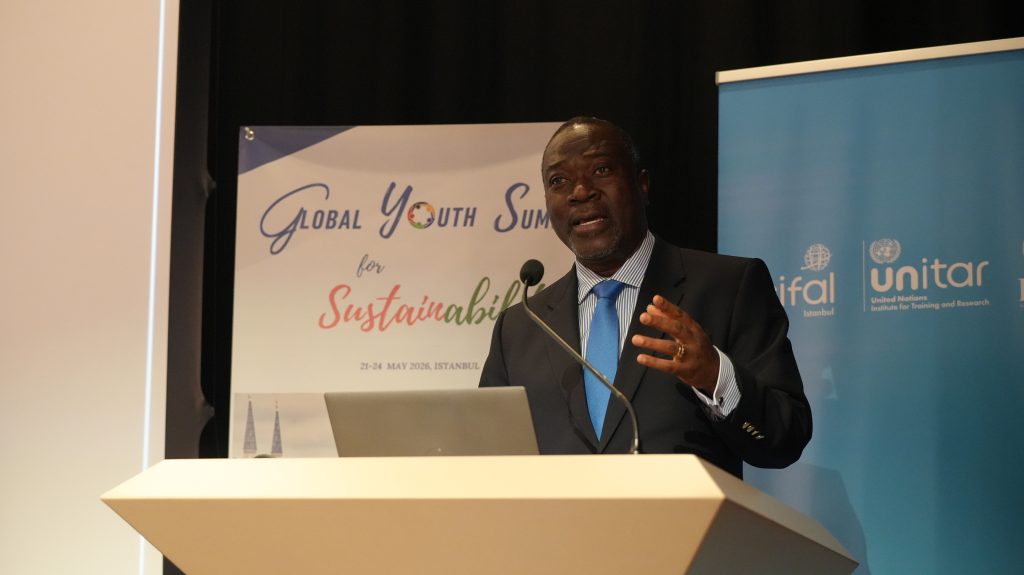
He also pointed to the growing body of evidence of youth-led innovation worldwide, citing examples of young people developing climate applications, mapping flood risks, and deploying digital tools to hold decision-makers accountable. With COP31 on the horizon, Dr. Ahonsi underlined that the significance of the moment lies not only in international negotiations, but in whether real transformation can be accelerated at the national and local level, across energy systems, cities, food systems, and disaster resilience.
Welcoming the participants on behalf of Bahçeşehir University, Rector Prof. Esra Hatipoğlu took the stage and highlighted the university’s engagement with the United Nations system, as well as its commitment to international cooperation and sustainability. Noting that Bahçeşehir University serves as the host institution of CIFAL Istanbul, affiliated with UNITAR, Prof. Hatipoğlu emphasized the university’s ongoing efforts to advance the Sustainable Development Goals through education, partnerships, and initiatives such as this conference.
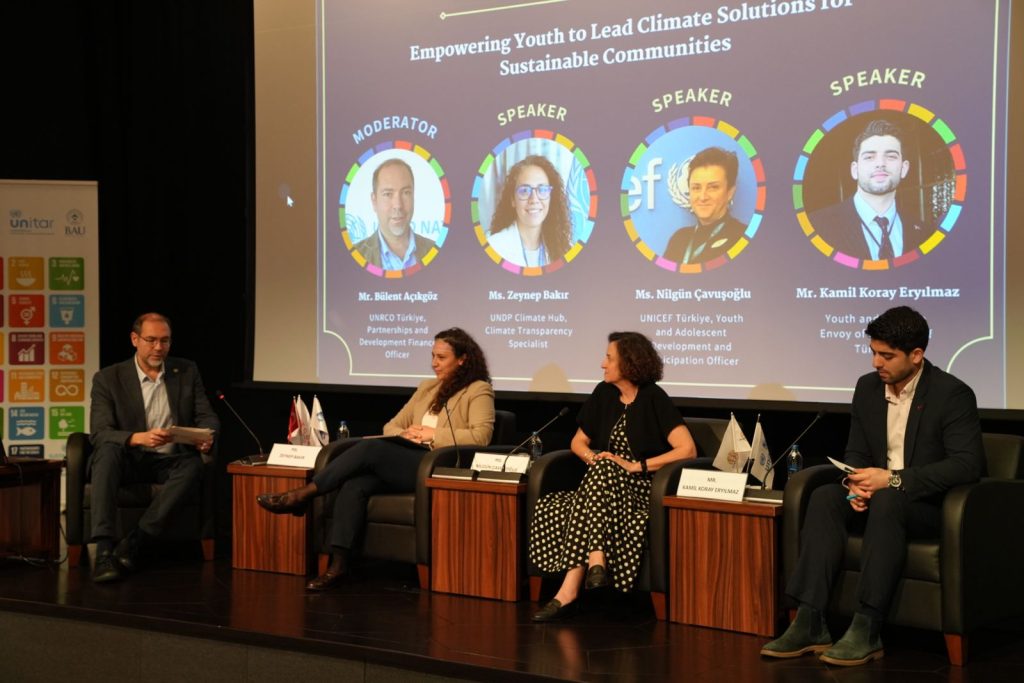
After the keynote speeches, a panel discussion, moderated by Bülent Açıkgöz from UNRCO Türkiye, brought together practitioners working across climate transparency, youth engagement, and sustainability. Mr. Açıkgöz kicked-off the conversation by emphasising that climate action is not a standalone agenda but is deeply connected to all of the Sustainable Development Goals, and that intergenerational justice sits at the heart of climate governance given that today’s decisions will shape the rights, opportunities, and wellbeing of future generations.
Zeynep Bakır from UNDP Climate Hub addressed the scale and urgency of the global climate crisis and outlined how international frameworks such as the COP process and the Climate Promise initiative are supporting countries in developing more ambitious Nationally Determined Contributions and long-term climate strategies. The discussion underscored the importance of translating global commitments into country-led, locally grounded climate action. Nilgün Çavuşoğlu from UNICEF Türkiye highlighted the importance of inclusivity and meaningful participation, particularly for young people from vulnerable and disadvantaged communities, affirming that intergenerational equity is a foundational principle of climate governance and that youth-led initiatives offer vital platforms for innovation, awareness-raising, and accountability. Kamil Koray Eryılmaz, Youth and Climate Envoy of Republic of Türkiye, focused on the bridging role of youth leadership across advocacy, academia, and policy implementation, calling for structured youth participation in the lead-up to COP31 where young people do not merely have a voice but actively shape climate policies and outcomes.
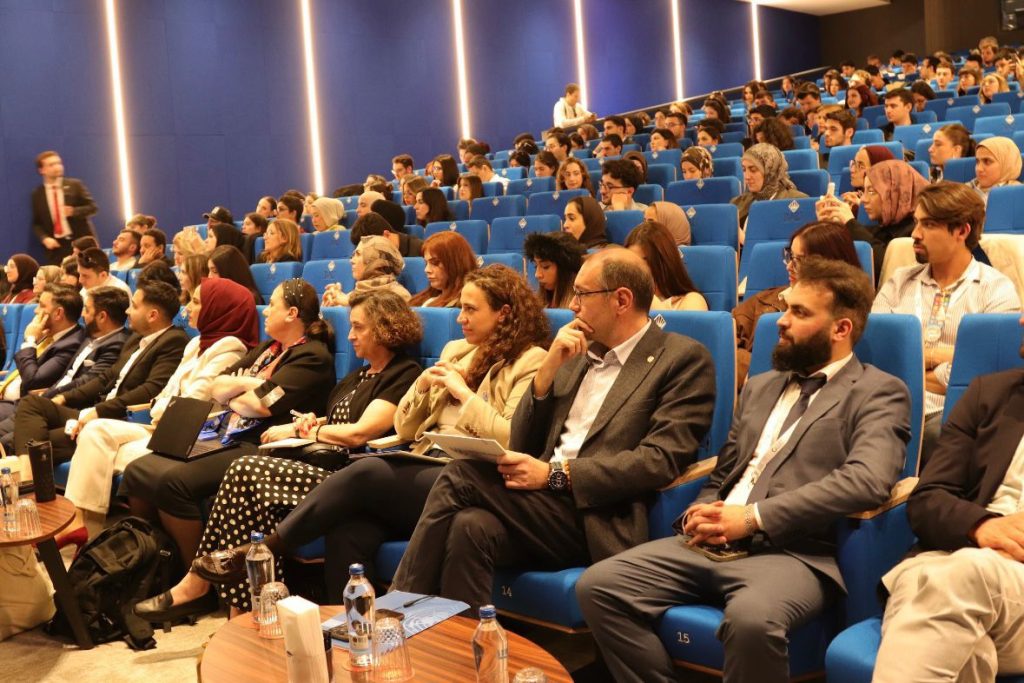
The event reaffirms the importance of climate action by placing youth agency and structured participation at the centre of global and national climate governance. Through its emphasis on inclusive and intergenerational policy processes, it also highlights the need for peaceful, just, and accountable institutions. Furthermore, the event reflects the broader value of partnerships by demonstrating how the United Nations system, academia, and youth actors can align around shared sustainability commitments in the critical run-up to COP31.