
3 June 2026, Istanbul, Türkiye – Held at Bahçeşehir University as part of Istanbul Zero Waste Week, the workshop transformed a wide range of ingredients commonly discarded in kitchens—from fruit and vegetable peels to seeds, stale bread, and coffee grounds—into creative recipes and sustainable culinary products.
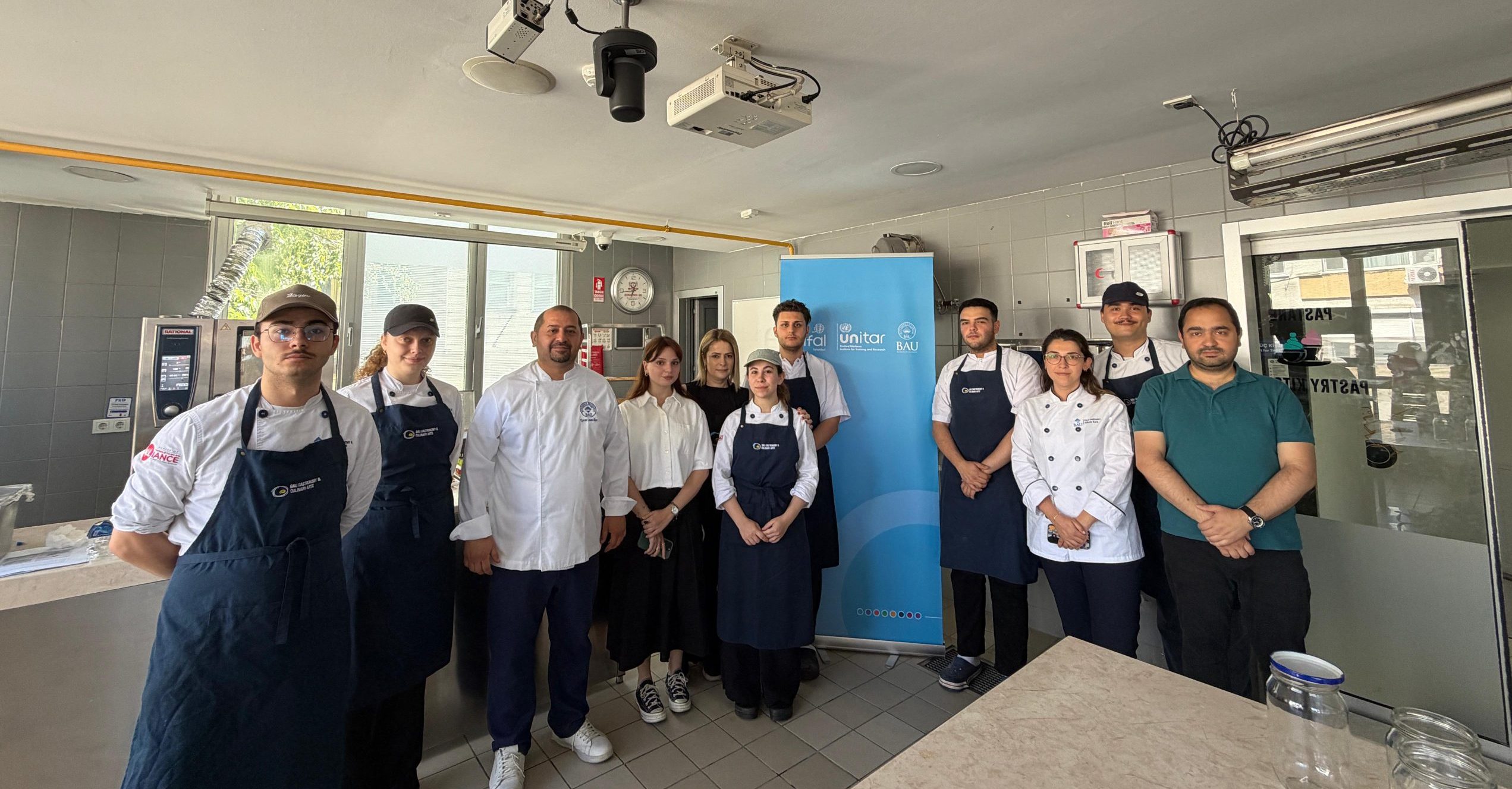
The “Zero-Waste Recipes Workshop” was held on 3 June 2026 at the kitchen of the Bahçeşehir University Department of Gastronomy and Culinary Arts as part of Istanbul Zero Waste Week, an initiative implemented under the auspices of the Zero Waste Foundation and the Governorship of Istanbul.
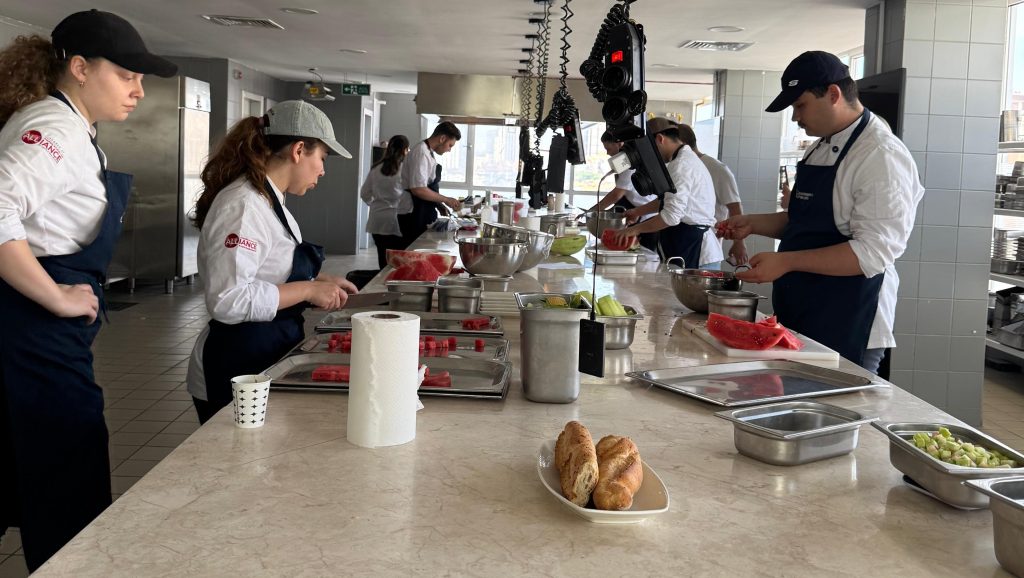
Organized in collaboration with CIFAL Istanbul, UNITAR and Bahçeşehir University, with the contributions of the BAU Department of Gastronomy and Culinary Arts, the workshop brought together practical methods for preventing food waste with the creative potential of gastronomy.
Food Scraps Became Essential Ingredients in New Recipes
Throughout the workshop, food components that are often discarded during preparation were repurposed through a range of creative culinary techniques. Onion and garlic skins were dried, ground into powder, and incorporated into the spice mixture prepared for Islama Köfte, enhancing the dish’s aroma and flavour. Stock made from meat and bones was used to flavour and toast stale bread, while another portion of the bread was transformed into crostini.
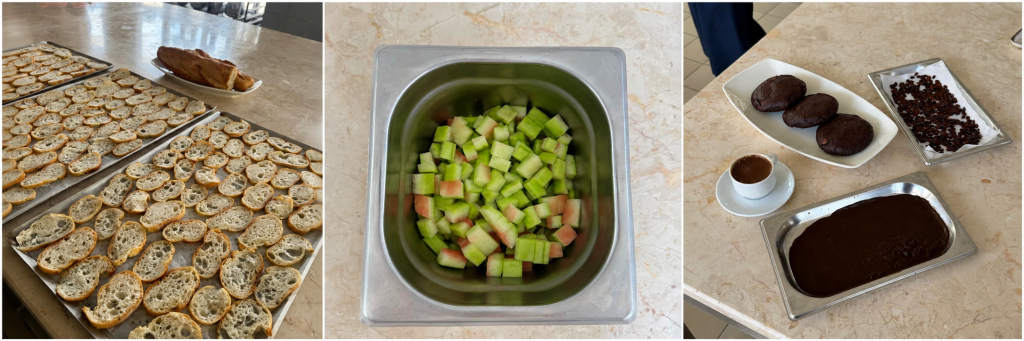
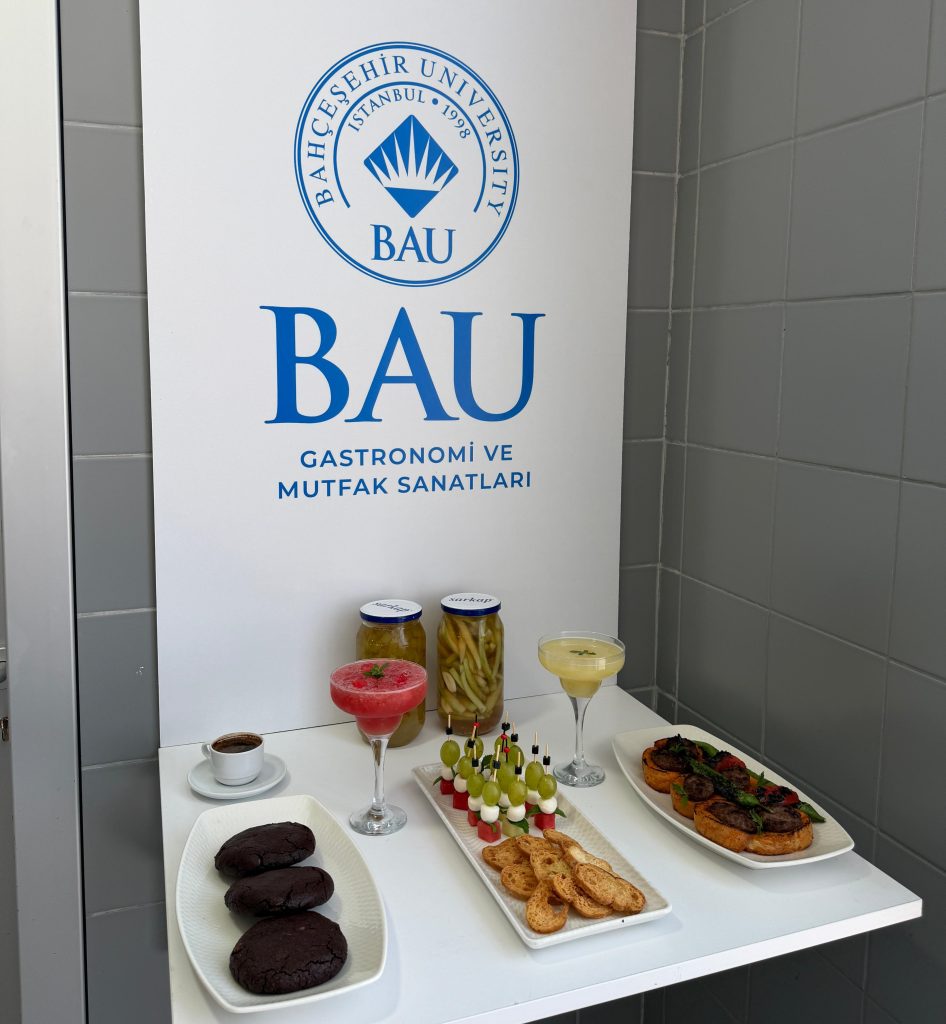
Melon seeds were used to prepare sübye, a traditional beverage rooted in Ottoman culinary culture, bringing together culinary heritage and contemporary sustainability practices. Watermelon and melon were also utilized comprehensively: their edible parts were combined with cheese to create canapés, while watermelon was used to prepare a refreshing frozen beverage.
The white part of the watermelon rind was processed into pickles and jam, demonstrating how parts commonly regarded as waste can be preserved and transformed into new products. Watermelon seeds were dried, ground into flour, and incorporated into coffee-flavoured cookies. Similarly, the grounds remaining after the preparation of Turkish coffee were processed for use as an alternative ingredient in baked goods.
Together, these practices demonstrated how peels, seeds, stale bread, bones, and other food remnants can be returned to the culinary production cycle rather than discarded. By combining traditional knowledge with innovative techniques, the workshop offered practical examples of how food waste can be reduced while creating new flavours, textures, and products.
The Zero-Waste Approach Extended Beyond the Recipes
The workshop was not limited to developing new recipes. Every stage of food preparation was addressed through a comprehensive perspective focused on the efficient use of resources and the minimization of potential waste.
Watermelon and melon peels remaining from the preparation process were separated for composting rather than being sent directly to waste disposal. The organic materials were allocated for use in the cultivation of fruit, vegetables, and aromatic plants in the garden of the BAU Department of Gastronomy and Culinary Arts.
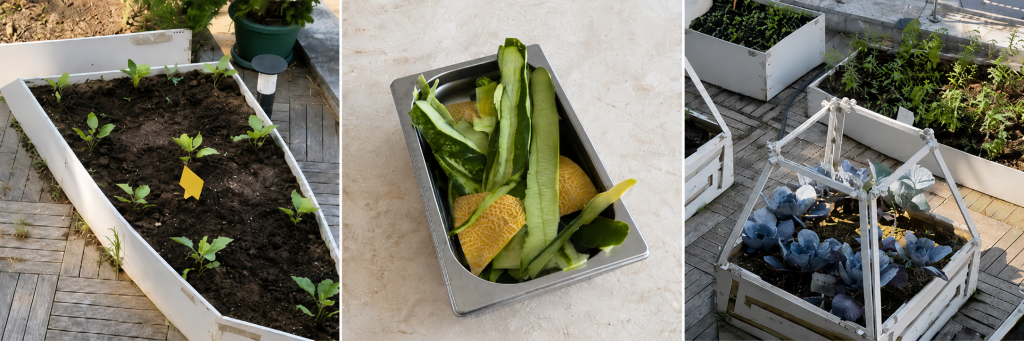
The department’s garden enabled the sustainability approach introduced during the workshop to extend beyond the boundaries of the kitchen. By converting organic kitchen scraps into compost and returning them to the soil, the workshop contributed to the completion of the cycle between food production and consumption.
In this respect, the garden stands out not only as an agricultural production area but also as a practical sustainability environment where students and participants can observe the journey of food from soil to table and from the table back to the soil. Through this model, the department’s garden functions as a living learning environment that brings together culinary education, ecological awareness, and sustainable production. The integration of kitchen practices with composting and cultivation also highlights the importance of designing food systems in which resources remain in circulation for as long as possible.
A Practical Culinary Model for Preventing Food Waste
The practices carried out during the workshop emphasized that preventing food waste is achievable not only in professional kitchens but also through methods that can be incorporated into daily household routines.
Participants experienced how careful planning, storage, transformation, and reuse techniques can increase the yield obtained from food products, enable familiar recipes to be reinterpreted with alternative ingredients, and significantly reduce the amount of organic waste generated in kitchens. Implemented with the academic and practical contributions of the BAU Department of Gastronomy and Culinary Arts, the workshop presented an exemplary gastronomic model in which no food component was regarded as functionless waste. Instead, each ingredient was kept within the production cycle through reuse, transformation, preservation, or composting.